Woodstock camping options extend across Vermont's Connecticut River Valley, with elevations ranging from 700 to 2,400 feet across nearby state parks. Summer temperatures typically average 70-80°F during the day with cooler nights in the 50s. Seasonal considerations heavily impact campground availability, with most Vermont state parks operating from late May through mid-October.
What to do
Paddling adventures: Wilgus State Park Campground sits directly on the Connecticut River, offering excellent water access. "We loved walking the trail behind the campsites along the river to the beautiful vista views with a group with young kids, rented kayaks and fished from the boat launch," reports Kaileigh K. The park features a dedicated boat launch area suitable for canoes, kayaks, and drift boats.
Summit hiking: The trails at Mount Ascutney State Park Campground provide hiking options ranging from beginner to advanced. "We hiked the Weathersfield Trail (2.9 miles from trailhead to summit). It was a challenge, but well worth it. There were several lookout points with spectacular views," writes Emma N. Four different trail systems lead to the summit, varying in difficulty and distance.
Mountain biking: Cycling enthusiasts can access dedicated trails directly from campgrounds. "The state park maintains its own mountain biking trail loop, which is accessible directly from the campground. It is a 3 mile beginner friendly loop, with some nice rollers and moderate terrain," mentions Rita M. about Mount Ascutney. The network expands further at nearby recreation centers with trails suitable for various skill levels.
What campers like
Secluded sites: Many Vermont campgrounds feature well-spaced, private sites. At Coolidge State Park Campground, "There was plenty of room between sites. The roads going in and leaving were well maintained," notes William P. This hillside campground features both tent sites and lean-tos with varying degrees of privacy.
Exceptionally clean facilities: Campground maintenance standards remain consistently high throughout the region. "The bathhouse is outdated, but the tilework is nice and new. Outside the bathroom there was a little library book case with books for campers to borrow," observes Rita M. Most state parks offer coin-operated showers averaging $0.25 per minute or $1-2 per shower.
Evening programming: Ranger-led activities enhance the camping experience at several parks. At Gifford Woods State Park Campground, "Rangers also run fun programs for children - my children churned butter and made popcorn over the campfire one night, and made tie dyed T-shirts the next (for no fee)," shares Jen B. about a different location. Activity schedules are typically posted at ranger stations upon arrival.
What you should know
Road noise considerations: Some campgrounds experience highway noise despite their natural settings. "The road nearby is noisy. Because of its location, you can hear both the local highway and I91. If being in the quiet wilderness is important to you, then this campground might not work out," cautions Rita M. about Mount Ascutney. Sites further from roadways generally offer more tranquility.
Limited hookup availability: Most Vermont state parks operate without electrical or water hookups at individual sites. For those requiring full amenities, Quechee-Pine Valley KOA offers alternatives: "There is the range of sites from pull-thrus, pull-ins and back-in sites and can accommodate RVs of any size. Some sites are full hookup while others are not and that is reflected in the cost," explains Nancy W.
Seasonal limitations: Vermont's camping season runs primarily from Memorial Day through mid-October. "This campground was amazing. Each site had a fair amount of isolation and trees surrounding it, and the mosquitoes aren't too bad there either," notes Kyle R. Most campgrounds report peak insect activity in June and early July, with decreased populations by August.
Tips for camping with families
Beach access: Silver Lake State Park Campground provides excellent swimming opportunities. "There is a beach with wading depth, sand for playing, buoys to mark the shallow area, a large dock to jump from with a ladder for climbing out," details Hannah H. The beach area includes changing rooms and bathroom facilities, making it ideal for families with children.
Playground facilities: Several campgrounds feature dedicated play areas for children. "Located at the beach area is also lawn space for games, a volleyball court, a fantastic playground," continues Hannah H. about Silver Lake. Most play areas are centrally located near bathroom facilities for convenience.
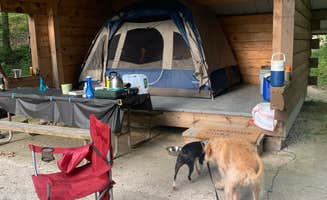
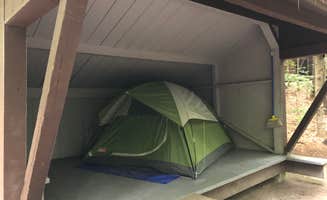
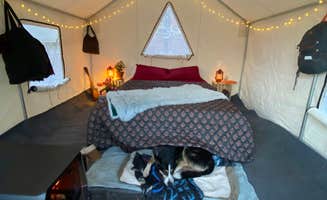
Cabin options: For families new to camping or during unpredictable weather, cabin rentals provide comfortable alternatives. "Our site was a lean-to, which sits up on a wooded hill," explains Tara S. about Gifford Woods. These structures typically sleep 4-6 people and provide overhead protection while still offering an outdoor experience.
Tips from RVers
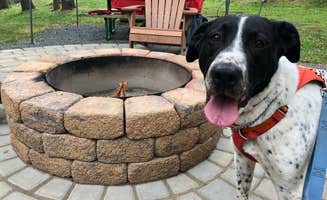
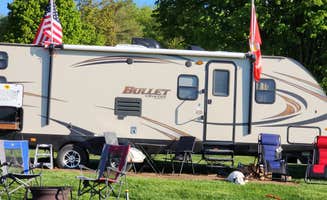
Site selection strategies: Carefully research individual campsites when making reservations. "The site was a pull-in which was kind of nice because the view out of our front windshield was of a wooded area. Our fire pit was in the front of our site so there was a nice amount of privacy when we sat outside by a campfire," shares Nancy W. about her 45-foot RV at Good Night Moon Vintage.
Dump station access: While most state parks lack hookups, many provide dump stations for RVs. "There are plenty of fresh water spigots and a spacious dump site if needed," notes Chris A. These facilities are typically located near campground entrances for easy access when arriving or departing.
Leveling challenges: Vermont's mountainous terrain creates naturally uneven campsites. "The sites are nicely spaced and seem to accommodate big rigs rather well. We have seen all shapes and sizes come and go," continues Chris A., though mentioning: "Biggest Con - It looks like the state has spread out RCA on the sites, which probably could have spread out better and made more level. Also tough to drive a stake into."













 Scout
Scout


