Ricker Pond State Park Campground offers rustic camping experiences with direct access to water recreation. The park maintains both drive-in sites and remote waterfront options accessible by canoe or hiking trails. The primitive settings feature outhouses rather than flush toilets at most remote sites. Operating from Memorial Day weekend through Columbus Day weekend, campers should prepare for cool nights even in summer months when temperatures typically range from 60°F-80°F during the day. The surrounding Groton State Forest connects multiple state parks through a network of hiking and biking trails while providing natural habitat for loons, beavers, and other wildlife.
What to do
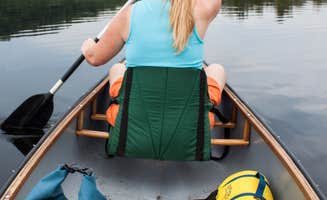
Paddle the motor-free waters: Ricker Pond State Park Campground provides direct water access for non-motorized watercraft. "The pond is serene and a great place to swim, paddle, explore, and fish," writes Hannah H. The calm waters make it ideal for beginners. "Paddling out on the lake has to be the best way to enjoy this wonderful area. With boats available for rent, you don't even need to bring your own," explains Shari G.
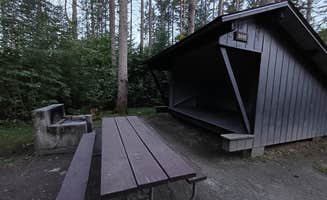
Explore remote campsites: Hike or paddle to secluded spots at Kettle Pond State Park Campground for more privacy. "The remote sites are a few hundred feet apart. But the rest are fairly private, spread out along a trail that rings the pond," notes Bryan P. These sites offer a more wilderness-like experience while still being accessible. "The farthest, most remote site, is about a mile from the parking lot," Bryan adds.
Trek the Cross Vermont Trail: Access this multi-use path directly from campgrounds. "We took a half day bike trip on it one day to go to the town of Marshfield to visit Rainbow Sweets, home of some of the best French pastries in Vermont," writes Rita M. The trail passes through diverse landscapes. "We biked through marshland, seeing Great Blue Herons and other wildlife. We passed by a waterfall, and even stopped at a little farm stand to buy pickles."
What campers like
Stargazing opportunities: The minimal light pollution creates exceptional night sky viewing. Big Deer State Park Campground offers "goregous views of the milky way galaxy," according to Kelli M. The clear mountain air and distance from urban centers make this area particularly good for astronomy enthusiasts.
Wildlife encounters: Early mornings and evenings provide the best wildlife viewing times. "We got to float alongside a loon family, which was VERY cool," says Rita M. about Kettle Pond. Another visitor observed, "We were able to watch the Loons teaching its chicks to hunt for food," notes M.A.D. P. These encounters happen naturally when campers remain quiet and observant.
Seasonal timing flexibility: New Discovery State Park Campground offers camping from Memorial Day through mid-October. "I stayed at New Discovery this weekend, the sites are well separated and private. The grounds are beautiful and well situated to enjoy Groton State Forest," reports Robin B. Late season camping provides additional benefits. "I stayed in October and it was really quiet and relaxing," Michele S. mentions about Ricker Pond.
What you should know
Limited cell service: Prepare for minimal connectivity throughout the region. "There is absolutely no cell service for miles, so plan accordingly," warns Michele S. This extends to most parks in the area. At Stillwater State Park Campground, "there is cell service near the water, but it is very inconsistent," according to Rita M.
Water access considerations: Many sites require planning for water needs. "The running water is accessed by going to New Discovery Campground, which is about 3 miles down the road," explains Rita M. about Kettle Pond. For remote sites, "bring a way to filter water, or large containers for getting water at New Discovery."
Weather preparedness: Vermont weather can change rapidly. "Remote campsite #9 was a bit wet this spring but in truth everything has been wet here in Vermont this year," Rick S. reports about Kettle Pond. Pack layers and rain gear regardless of forecast. Temperatures can drop significantly at night, even in summer.
Tips for camping with families
Swimming options: Little River State Park Campground provides safe water recreation areas. "The reservoir was a great place to relax after a day of hiking!" writes Alison O. Families appreciate the designated swimming areas with gradual entry points. "We visited here with our 5 kiddos for 2 nights late July 2016. The facilities were clean, the small playground was great, and the small boat launch and beach kept us in the water," shares Rita M.
Historical exploration: Turn hikes into educational adventures by exploring historical sites. "The hiking trails are really good--actually pretty steep. There are lots of old foundations hidden on the trails that are fun to discover," notes Rita M. about Little River. These remnants of early settlements provide natural history lessons.
Off-season advantages: Consider camping in September when crowds thin but facilities remain open. "I took our Cub Scout Pack here and it was amazing. The fish were bitting all day long for catch and release fishing for our scouts which was perfect because some of the them kids never fished before," explains Chris H. about his experience at Kettle Pond. The shoulder season often offers more campsite availability and quieter conditions.
Tips from RVers
Site selection considerations: Choose carefully as not all campgrounds accommodate larger rigs. At Groton Forest Road Campground, "the spots were spacious with enough privacy between sites," according to Reid B. RVers should call ahead to confirm site dimensions and leveling requirements.
Electric options: Most primitive sites lack hookups, but some campgrounds offer limited electric access. "My favorite is to get sites 22 & 23 and have awesome water access, places to hang hammocks, just across from the bathrooms but down the hill enough to not be bothered by the comings and goings," Hannah H. recommends at Ricker Pond, though noting the lack of electrical hookups.
Access road considerations: Some campgrounds have challenging approach roads. "You must park in the lot and walk to all these sites," explains Bryan P. about Kettle Pond's remote sites. For larger rigs, contact the campground directly about road conditions, especially after heavy rain when unpaved access roads may become difficult to navigate.













 Scout
Scout


