Campgrounds near Jellico, Tennessee range from wooded hideaways on Norris Lake to rustic sites in the Big South Fork region. Tennessee's northern border campgrounds typically offer lower elevation sites (1100-1400 feet) with warmer summer nights than neighboring mountain camps. Road access varies significantly, with some dispersed camping areas requiring high-clearance vehicles during wet conditions. Cell service remains spotty throughout the region, particularly at sites along Norris Lake.
What to do
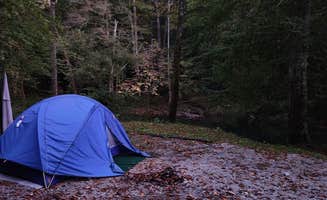
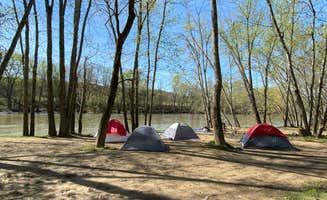
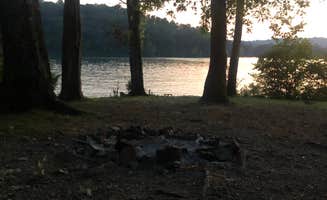
Waterfront recreation: At Loyston Point Campground, campers access Norris Lake directly. "Located on the beautiful Norris Lake. Our tents were right on the water and a short swim/walk to paddle boats and kayaks," notes Crissy T. The campground rents boats at reasonable rates.
Hiking trails: West Campground at Norris Dam State Park connects to multiple trails. "We were right next to a trailhead and that gave us a lot of extra room," says Anna. The surrounding area includes scenic overlooks with elevation gains of 400-600 feet.
Waterfall viewing: The Cumberland Falls area offers distinctive natural features. "We hiked to see Cumberland Falls (from the lodge) and Eagle Falls. After a short drive, we hiked Natural Arch and Yahoo Falls," reports Crystal H. The main falls drops 68 feet and spans 125 feet across, creating the region's largest waterfall.
What campers like
Private waterfront spots: TVA Public Land-Fork Bend provides free camping with water access. "We found a great spot right on the lake. Unfortunately there's a lot of trash around, it's truly a shame some people pollute something so beautiful," notes Lori H. The shoreline features multiple peninsulas creating secluded camping areas.
Clean facilities: Despite rustic settings, many campgrounds maintain good bathhouses. At Cove Lake State Park, "The restroom/showers were just up a little hill from this site and were very clean, heated and with plenty of hot water," reports Denise. The park also features a swimming pool during summer months.
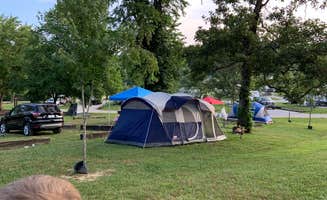
Wildlife viewing: Campers regularly spot local fauna at established sites. "Plenty of ducks roaming around. Comfortable bathrooms and showers. More than enough tables and campfires. And groundskeepers keeping the park clean," writes Emily W. about Indian Mountain State Park. Chipmunks and squirrels often approach campsites looking for food.
What you should know
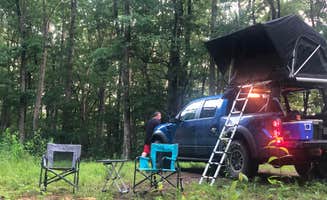
Road conditions: Access to remote sites can challenge standard vehicles. At Fork Bend, "The road through the land is gravel, but it's fairly rutted out in spots, so I don't think I'd take a car through there, you'd be safe to take a truck or Jeep or something similar," advises Lori H.
Cell coverage: Service varies widely across the area. At Blue Heron Campground, "My only complaint was that the restroom wasn't marked on the map that I could see so I ended up being very far away from it," notes Casey L. Cell reception typically improves near main roads and established campgrounds.
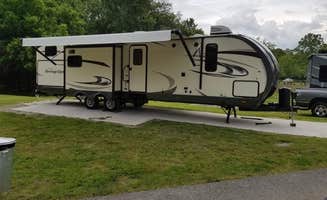
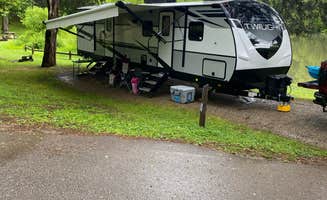
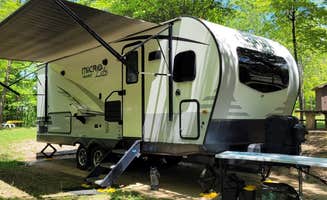
Site size limitations: Many campgrounds cannot accommodate larger RVs. At Ridgeline Campground, "This small campground is good only for small campers (20ft or smaller). The spots are uneven and many backup to a large hill," cautions Amy J. Most sites require leveling blocks or wheel chocks.

 Scout
Scout


