Camping sites near Sparta, Tennessee provide diverse outdoor experiences in the rolling Highland Rim and Cumberland Plateau regions at elevations between 900-1,800 feet. The area's moderate climate allows for camping from spring through fall, with summer temperatures typically ranging from 65-85°F. Most campgrounds follow a late spring to mid-fall operating schedule with limited winter availability.
What to do
Waterfall exploration: Fall Creek Falls State Park offers numerous hiking opportunities with scenic views. "So many trails, so little time. One of the best hiking parks I've ever been to. Miles and miles of trails; short, long, loops, overnights. This place has it all," shares one camper who recommends three must-do activities: "hike to the bottom of the big waterfall (Fall Creek Falls), swim in the cascades next to the nature center, and stand on the edge of the bluff at Buzzard's Roost."
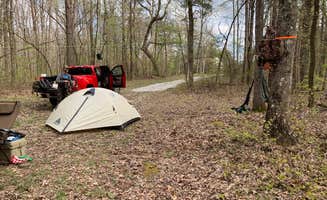
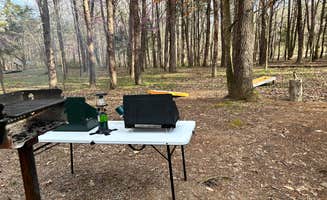
Backcountry camping: Virgin Falls State Natural Area provides more isolated camping experiences with eight miles of moderately challenging trails. "The Virgin Falls area is located in the Bridgestone-Firestone Centennial Wildlife Management Area, and is huge with several awesome camping spots," notes a visitor who appreciated the well-marked trails. Most primitive sites require preparation as "campgrounds are very primitive. No restrooms or running water. Everything will have to be packed in."
Water recreation: Center Hill Lake, accessible from multiple campgrounds, offers boating, fishing, and swimming. A visitor to Floating Mill notes, "There's a swimming area for campers separate from the day use area. Many sites have their own water access. The tent only sites are at the back of the campground and are along the water."
What campers like
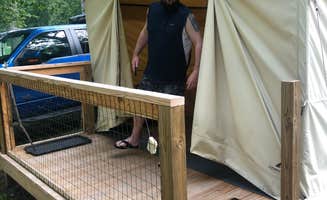
Platform camping: Edgar Evins State Park features unique elevated wooden platforms as campsites. "We love the platform sites that are so spacious and private. Easy access to dump station and bath houses. Almost all sites have view of water," explains one visitor. Another adds, "I was very skeptical about the sites being pier-like decks. Some of the sites just don't have a lot of room, especially around the fire pit and bbq. But there are a couple gem spots if you scout before you book."
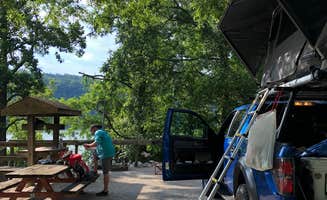
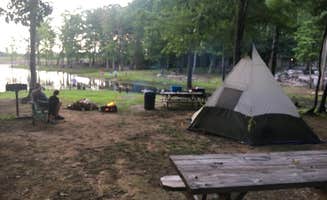
Lake access: Many campgrounds provide direct water access for boats or kayaks. At Ragland Bottom, "The lakefront sites all have water access right from the site, so you can launch a kayak, or throw out a line, or just go for a swim right from your site. Mostly all the non-waterfront sites have a view of the lake."
Stargazing: The rural location offers excellent night sky viewing. At Virgin Falls, one visitor described their experience as "very dark at night time, especially with little moon, the stars were jaw dropping."
What you should know
Summer reservations: Book waterfront sites at least 2-3 months in advance for peak season visits. "Ragland Bottoms is such a fun place to camp! The campground is right on Center Hill lake, and the lake is really nice and clean! We stayed on site 10, and had the perfect lake front spot! I know that sites 1-15 are all lakefront sites with electricity and water, and they book up fast."
Primitive camping considerations: When heading to backcountry sites, prepare for self-sufficient camping. At Virgin Falls, "Water filter is a necessity for camping in this little wilderness," notes one experienced camper who also mentions, "Finding a good tree to hang food here was impossible. We did the best we could."
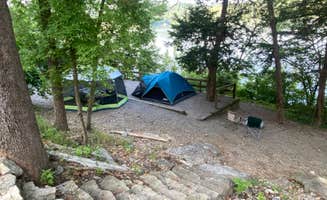
Terrain and accessibility: Many campgrounds in the area have significant elevation changes. At Floating Mill - Center Hill Lake, "The entire campground sits on a steep hill leading down to the lake. Most sites are separated by riprap (large rocks), so there's very little flat space." Another visitor notes, "Some of the campsites towards the back of the campground have a good amount of stairs. It was okay, but not good for anyone who cannot handle a lot of stairs."
Tips for camping with families
Educational opportunities: Several parks offer ranger-led programs during summer months. At Rock Island State Park, "Make sure to visit the ranger station for a map and safety rules during water releases." The park offers "many outdoor activities including tennis, basketball, volleyball, horseshoes, and a playground."
Kid-friendly facilities: Look for campgrounds with dedicated swimming areas and playgrounds. Fall Creek Falls has "a scenic loop drive of the gorge, multiple waterfalls to visit, miles on end of hiking trails in which some cross rope bridges, awesome swimming holes, and even an olympic pool with diving boards and a snack shack for the kiddos."
Noise levels: Some campgrounds have quiet and family sections. "Campground A & B are great for families with kids. C & D are more quiet," notes a visitor to Fall Creek Falls State Park who also mentioned the need to "pay attention to grades of sites when booking, you might need extra supports to level out."
Tips from RVers
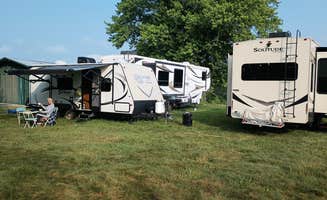
Site leveling: Many campgrounds have uneven sites requiring leveling blocks. At Cumberland Mountain State Park, a visitor noted that "sites in my section were pretty steep as in on a big hill," and another mentioned, "many nice sites although some are not level but they have worked on many of them."
Full hookup availability: If requiring sewer connections, book well in advance. "We visited Rock Island State Park in our 40 foot motorhome. While there are only a few spots that will accommodate a rig this large, it's worth the time to haunt the reservation system and snag one."
Access road considerations: Some campgrounds have challenging entry points. At Floating Mill, "WARNING - If you have an RV the turn around to get out is VERY steep. We watched an RV get very scraped up. If you're not a confident driver this isn't the spot for you."










 Guide
Guide


