Center Hill Lake spreads across 18,220 acres in central Tennessee with an average depth of 53 feet. The surrounding Cumberland Plateau features limestone bluffs rising 300-400 feet above the water. Primitive camping areas around the lake don't have full hookups but offer direct water access for anglers and paddlers, while established campgrounds provide more amenities during the camping season from April through October.
What to Do
Waterfall hiking trails: Several state parks near Rock Island State Park Campground have impressive waterfalls accessible via moderate trails. "Great hikes and random places to jump into the water," notes Alicia F., while Beth LeVar L. adds "Rock Island has some nice trails and wonderful falls in the area."
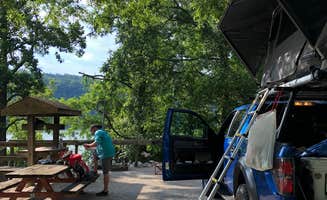
Kayak to hidden spots: Paddlers can access secluded areas from lakefront campsites at Floating Mill - Center Hill Lake. "Many sites have their own water access. You can launch a kayak, or throw out a line, or just go for a swim right from your site," shares Nate H. The lake's 415 miles of shoreline includes numerous coves perfect for exploration.
Trout fishing: The Caney Fork River below Center Hill Dam provides year-round cold water fishing opportunities. "World class trout fishing," reports Marsha G. The Tennessee Wildlife Resources Agency stocks rainbow, brown, and lake trout in the tailwaters, with peak fishing seasons during spring and fall.
What Campers Like
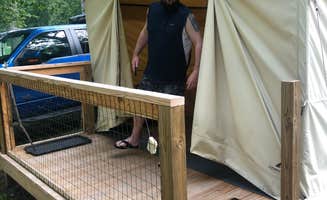
Platform camping: The unique wooden deck sites at Edgar Evins State Park Campground provide level spots on the steep terrain. "We love the platform sites that are so spacious and private. Easy access to dump station and bath houses. Almost all sites have view of water," explains Betheny. These elevated platforms accommodate both tents and RVs.
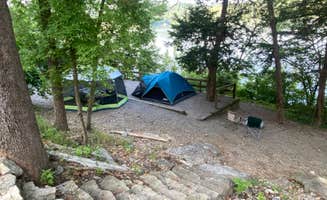
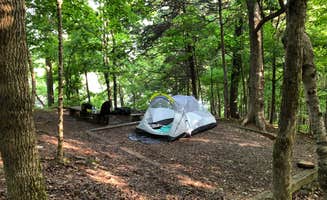
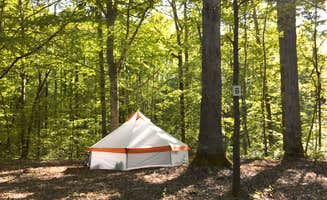
Lakefront tent sites: Dedicated tent camping areas with water views are available at multiple Center Hill Lake campgrounds. At Floating Mill, Clinton N. points out that "The tent only sites are at the back of the campground and are along the water. You have to take steps down from the parking lot to get to your campsite."
Clean facilities: Ragland Bottom maintains well-kept bathroom facilities. "The campground is very well-kept. With plenty of room on the camping pads for all types and sizes of RVs," reports Amurican L. Marvin J. adds that it's "a hidden gem. The hosts are very helpful and friendly and the campground is well kept. Bath houses clean."
What You Should Know
Reservation timing: The most popular lakefront sites book up months in advance, especially for summer weekends. For Fall Creek Falls State Park Campground, Sandra V. advises: "Modern bathhouses located in each camping area, swimming pool, golf course and restaurant make roughing it easier for those who need more comfort while camping."
Water level fluctuations: Center Hill Lake water levels can vary by 15-20 feet between winter and summer. "Water view is blocked by overgrowth on the water sites," notes Jennifer R. about Ragland Bottom during certain seasons.
Limited cell service: Many campgrounds around Center Hill Lake have spotty mobile coverage. At Horseshoe Bend Marina, one camper reported "No service for T-Mobile sprint. We are on site 9 and it's not the most leveled spot."
Temperature extremes: Summer temperatures regularly exceed 90°F with high humidity, while winter nights frequently drop below freezing. Richard F. at Fall Creek Falls advises: "Arrived in the dark, do not recommend as there are not much lighting to see especially if the sites is tight with others."
Tips for Camping with Families
Beginner-friendly options: Campgrounds with modern amenities work well for first-time camping families. Sandra V. recommends Fall Creek Falls: "A Great Place for New Campers! We think this would be a great park for novice campers due to the fact that the facilities are very nice."
Playground access: Several campgrounds feature play areas for children. At Old Mill Camp and General Store, Evalynn S. notes "This property is clean, quiet, family and pet friendly. Each tent and RV stall has its own picnic table and fire pit."
Swimming areas: Designated swimming zones provide safer water access for children. "There's a swimming area for campers separate from the day use area. Many sites have their own water access," reports Clinton N. about Floating Mill. Some campgrounds also feature recreation facilities like volleyball courts and horseshoe pits.
Tips from RVers
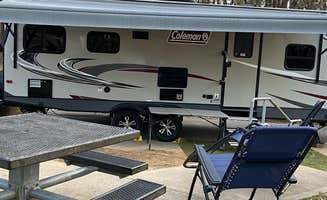
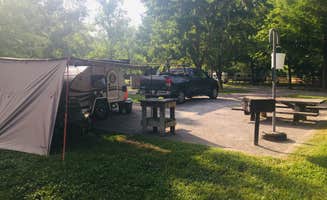
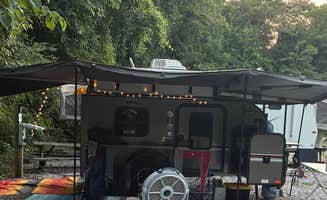
Site selection: Choose sites carefully based on rig size and access requirements. Cheryl C. from Rock Island advises: "We visited this state park in our 40 foot motorhome. While there are only a few spots that will accommodate a rig this large, it's worth the time to haunt the reservation system and snag one."
Leveling challenges: Many Center Hill Lake campgrounds feature sloped sites requiring additional equipment. Ray & Terri F. caution that at Edgar Evins "Be wary of the speed bumps throughout the campground, they are closely spaced and rather abrupt, take them very slowly. The sites are all elevated platforms due to the steep slope to the lake."
Water and electrical hookups: Most developed campgrounds provide 30-50 amp service and water, but not all have sewer connections. Betheny notes: "They have great dump station but prefer to have that taken care of before we pull out."








 Traveler


