Camping near Lawrenceville, Pennsylvania offers recreational opportunities along the Cowanesque Lake and Tioga River watershed. This region sits at approximately 1,250 feet elevation with a humid continental climate producing warm summers and cold winters with significant snowfall. Water levels at most lakefront camping areas fluctuate seasonally due to the Army Corps of Engineers' dam management system.
What to do
Hiking the gorge trails: At Watkins Glen State Park Campground, visitors can explore dramatic stone walls with 19 cascading waterfalls. "The gorge trail is a MUST. Definitely go check this campsite out!" notes Laura L. The park maintains interconnected trail systems including the Rim Trail for elevated gorge views.
Fishing opportunities: Cowanesque Lake offers multiple access points for anglers. "There is a huge new playground for the kids and lots of area to walk around the loops if you don't want to hike," mentions Lindsay C. about recreation alternatives for non-fishers.
Water activities: Ives Run Main Campground provides boating and swimming options. "Beautiful lakes, boating, fishing, swimming, trails, paved sites, full hookups and primitives as well!" writes Em I. The swimming beach includes designated areas separate from boat traffic.
Scenic driving routes: The rolling hills surrounding Hills Creek State Park Campground create natural driving loops. "Had our 2 dogs with and they loved it! Did take a drive to see PA Grand Canyon," shares Shirley M. The Pennsylvania Grand Canyon sits approximately 30 minutes from most Lawrenceville area campgrounds.
What campers like
Spacious sites: Tompkins Campground receives praise for its layout. "All roads and parking pads are paved. Quite wooded here but we managed to get satellite TV," reports Bran P. The Bench Loop offers waterfront sites that are particularly popular.
Clean facilities: Maintenance standards remain high at most developed campgrounds. "The shower and bathroom facilities looks brand new. Everywhere you look there is green space," notes Dave G. about Hills Creek State Park.
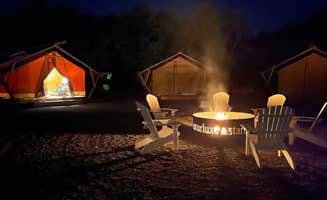
Diverse camping options: Campgrounds offer various accommodation types. "We stayed in yurts, which are round tents ($38 per night). We had a cozy wooden deck and slept four people in two bunk beds. We also had a cooking stove, refrigerator, heat and electricity," explains Joshua L.
Lakefront access: Several campgrounds feature water views. "The Pine loop is a pleasant escape for tent campers hoping for a good view of the lake," Katherine T. observes about Ives Run. This loop offers more primitive camping with pit latrines rather than flush toilets.
What you should know
Reservation requirements: Popular waterfront sites fill quickly during summer. "The only draw back is that it fills up quickly and you need to reserve many months ahead of time especially for holidays," warns James P. about Ives Run Main Campground.
Water quality concerns: Some campgrounds have sediment issues. "Make sure you use a water filter, there was a lot of sediment in the water when we were there," advises Michael H. about Ferenbaugh Campground.
Seasonal operation: Most campgrounds close during winter months. Typical operating seasons run mid-April through late October, with some facilities opening later or closing earlier depending on weather conditions.
Loop-specific amenities: Comfort stations and amenities vary between camping loops. "Note that the access gravel access road to this loop is about a mile to the 'comfort station' with flush toilets and showers. This loop only has pit latrines," Katherine T. explains about Pine Loop at Ives Run.
Tips for camping with families
Playground access: Yogi Bear's Jellystone Park PA Wilds (formerly Bucktail Camping Resort) caters to children. "Two playgrounds, a pool, two jumping pillows, mini train, carousel, and activities. Good for bike riding although hilly," recommends B C.
Site selection for visibility: Campground layout affects supervision ease. "We always get a site on the outside of the main circle by the tower slide. There's lots of shade and optimum view of both playgrounds to keep an eye on the kiddos," advises Missy.
Swimming options: Most campgrounds with pools have specific operating seasons. "The swim area is one of the best around. Playgrounds are fun & the snack stand is a little expensive, but delicious!" shares J K. about Hills Creek State Park.
Educational opportunities: Ranger programs provide family learning experiences. "The rangers offer educational programs that are free of charge!" Amanda H. notes. These typically run weekends during peak season at state parks and Army Corps facilities.
Tips from RVers
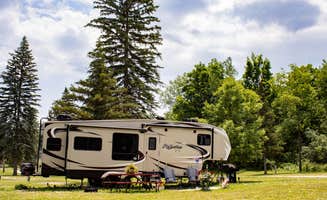
Site leveling: Many campgrounds have varied terrain. "Sites are very spacious and clean. Love it here peaceful and quiet," writes John E. about Ives Run. Level sites with paved pads make setup easier for larger rigs.
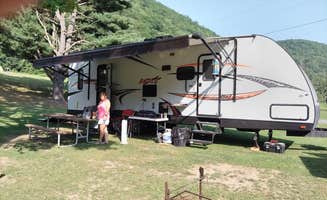
Utility connections: Connection placement varies between sites. "Some site you will need 2 hoses for your water because the hook ups are far from the sites and some of them will have the hook up facing the front of your camper," cautions Kayla N.
Access considerations: Some campgrounds have challenging entry roads. "The entry road to the campground itself is a very steep, narrow road with a small curve at the top. It's well-maintained but keep an eye out for campers coming down," B C. warns about Jellystone Park.
Cell service limitations: Connectivity varies throughout the region. "No Verizon phone service and very slow internet with a booster," Bran P. notes about Tompkins Campground. Many campgrounds have similar limitations due to the rural setting and surrounding hills.












 Guide
Guide


