Camping sites near Ithaca, New York feature elevation changes from 400 to 1,200 feet above sea level, creating diverse microclimates throughout the region's gorges and hills. Spring camping often brings muddy conditions after snowmelt, with campground roads typically drying out by mid-May. Many locations restrict pets from swimming areas and gorge trails while allowing them in camping areas.
What to do
Gorge hiking with kids: At Taughannock Falls State Park, families can access a waterfall viewing area via a moderate 1.5-mile round trip. "The gorge trail is a MUST. Definitely go check this campsite out!" notes Laura L., who stayed in a 30-foot motorhome despite the somewhat tight roads.
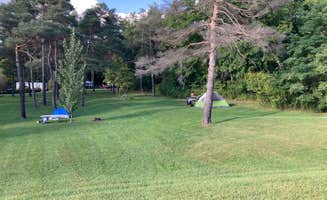
Stargazing in open fields: The Blueberry Patch Campground in Finger Lakes National Forest offers excellent night sky viewing opportunities. "There are in fact blueberries! And a great field to see the stars from," reports Emily S., who recommends this location for those transitioning from public camping to backcountry experiences.
Swimming in natural pool: During summer months, Fillmore Glen State Park maintains a spring-fed swimming area with lifeguard supervision. "Nice Campground very quiet due to lots of rain this year... incredible waterfall and some nice hiking trails," mentions Jeff A., noting the swimming pool occasionally closes after heavy rainfall.
Wildlife observation: Many campgrounds feature abundant bird and animal watching opportunities. "Woke to snow on the tent. Had a great time listening to the birds and enjoying the trails," shares Scott M. about his fall camping experience at Robert H. Treman State Park.
What campers like
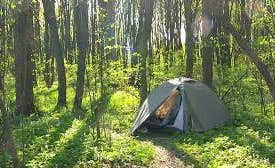
Privacy between sites: At Watkins Glen State Park, campers appreciate the wooded setting. "The sites are quite wooded with plenty of space in between," explains Laura L. The campsites balance sun and shade, with Lori F. adding that "tent sites are nice and shaded" with "friendly staff, good patrols at night to keep people from being too noisy."
Bathroom facilities: Many campers specifically mention shower quality as a deciding factor. "The bathrooms are clean and well lit at night," notes Deb S. about Watkins Glen, where she camps once or twice yearly for hiking weekends.
Ease of local exploration: Buttermilk Falls State Park serves as an excellent base for regional adventures. "Location in the Finger Lakes region makes it a good base camp for winery tours," suggests Chris D., who has visited since childhood and appreciates that the sites aren't "crammed too close together."
Seasonal experience variations: Each season offers distinct camping conditions. "Been here in all the seasons, each is beautiful. Campgrounds are wooded," shares Harry H. about Buttermilk Falls, noting that summer reservations should be secured well in advance.
What you should know
Site selection strategy: At Robert H. Treman State Park, campsite layout varies significantly. "Electric sites are not the best though. Rocky and unlevel. Not made for large campers," warns Victoria. For non-electric sites, another camper recommends "Site 54 at Robert H Treman is very large, flat, nonelectric and well shaded with areas of sun."
Water availability considerations: Blueberry Patch requires campers to bring all water needed. "BRING WATER. There are no water sources near the site. There is a gas station about 15 minutes away on route 79," advises Neil H., noting the site charges $15 per night with a 14-day maximum stay.
Reservation timing: Most state parks fill quickly during peak season. "Don't miss this park," urges Harry H. about Watkins Glen, adding "I don't remember if you can make reservations but try to get them if you can."
Weather contingencies: Weather patterns affect facility availability. Barbara S. mentions Taughannock Falls has "a swimming area, which goes to 12 feet deep and has a dock to jump off of," though these features may close during inclement conditions.
Tips for camping with families
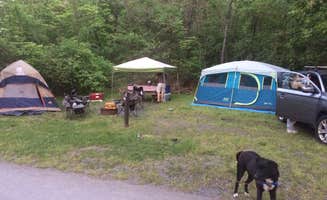
Playground access: Pinecreek Campground offers dedicated play areas. "Family friendly, beautiful atmosphere, nice roomy sites, great pool and kids get to ride their bikes all over and feel safe," reports Stephen B., though Sarah S. notes the "playground was really run down" during her visit.
Swimming options: Natural swimming areas vary in temperature and accessibility. At Robert H. Treman, one visitor mentions "the waterfall swimming pool is very cold, but great on a hot day," providing relief during summer heat.
Noise levels: Family-oriented campgrounds often mean more activity. Deb S. notes about Watkins Glen, "This is definitely a large family area. Expect to hear your neighbors once and a while," while Lindsay C. points out dogs aren't allowed on the gorge trail but are welcomed elsewhere in the park.
Educational opportunities: Several parks feature interpretive elements. Jennifer W. reports her 7-year-old son "enjoyed every second" of hiking at Watkins Glen, adding "there is a lot to see and a lot of water to play in," though noting disappointment that "the campground pool doesn't open until the end of June."
Tips from RVers
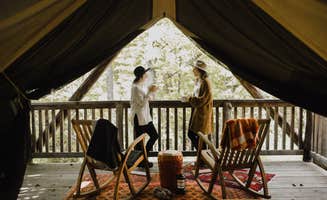
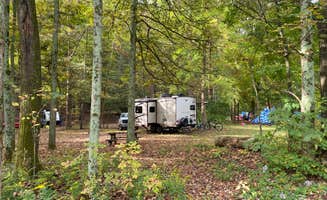
Road conditions: Access roads to Firelight Camps and other sites may present challenges. "The roads within the campground were kind of tight to get through with trees and curves," Laura L. reports about navigating Watkins Glen in a 30-foot motorhome.
Hookup placement: Water and electrical connections aren't standardized across campgrounds. At Taughannock Falls, campers advise to "check out which side the hookups are on. Some not situated on the right side so you'll need extra long cords."
Site leveling needs: RV campers frequently mention uneven terrain. Not S. contrasts various camping loops at Robert H. Treman: "The new loop is a large field--we got one of the few shady sites in the new loop. Old loop has plenty of trees, but sites are much smaller."
Dump station access: Most state parks provide dump stations near campground entrances. At Spruce Row, travelers appreciate the "bathrooms, showers, picnic tables, a playground and a dump station," making it convenient for longer stays.











 Traveler


