Mt. Hood National Forest offers numerous glamping and camping options situated in the Cascade Range at elevations from 2,000 to over 5,000 feet. Summer temperatures typically range from 50-80°F with cooler nights, while spring and fall bring considerable precipitation. Campgrounds scattered throughout the forest's one million acres provide access to hiking trails, alpine lakes, and wilderness areas.
What to do
Paddling on pristine lakes: Timothy Lake at Gone Creek Campground offers excellent water activities. "The lake is amazing. Warm enough for swimming. Despite the full campgrounds all around, it was easy to find a private spot to lounge by the lake for hours," shares a visitor. The small boat launch and lake access areas aren't overcrowded since the campground doesn't offer day use.
Wildlife viewing: Catch glimpses of amphibians at Frog Lake. "Millions of tadpoles in the water and twice as many baby frogs on the north side of the lake by the swamp," notes one camper. The shallow, warm water makes this spot particularly good for observing the lake's namesake residents.
Hiking through diverse terrain: Explore the trails around Camp Creek Campground, which connects to the Still Creek Trail #780. Campers report: "It was raining when we were there so didn't get to explore far. The campground is really beautiful. The creek when we went was raging pretty heavy." The surrounding area offers multiple hiking options of varying difficulty levels.
What campers like
Privacy between sites: Trillium Lake Campground offers secluded sites despite its popularity. "Sights are fairly private and wooded. Our phones worked just fine here, as well," mentions one visitor. The campground provides a quieter experience during weekdays and shoulder seasons.
Natural swimming areas: Many campgrounds feature swimming spots with varying water temperatures. At Clear Creek Crossing Campground, "The creek is cold and shallow, perfect to dip your feet in or sit if you really want to." The creekside location provides natural cooling during warmer months.
Spacious campsites: Sites at many campgrounds offer ample room for multiple tents and gathering areas. "Probably the largest site I've ever camped on. Even though we maxed out with 6 people and 4 tents, you could easily fit another 5 tents on this site comfortably," notes a camper about Camp Creek. The creek noise helps reduce sound from neighboring campsites.
What you should know
Seasonal challenges: Campgrounds at higher elevations have shorter seasons. "We ended up in a nice spot just off the road with access to the creek. The actual campground was snowed in a bit though high clearance vehicles were able to go all the way in," reports a visitor to Clear Creek Crossing in spring.
Wildlife precautions: At Lost Lake Resort And Campground, visitors should be prepared for wildlife encounters. "The lake is always cold no matter the season. Really easy fishing if you're just learning. They have tons of rentals," advises a camper who found the lake's amenities helpful for beginners.
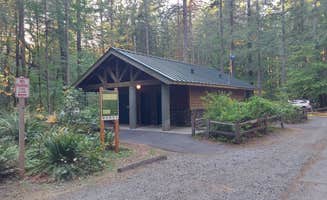
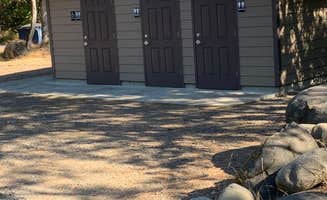
Limited facilities: Many forest campgrounds offer basic amenities only. "The only down side is the lack of facilities (ie, only pit toilets and no showers). This is pretty typical for forest campgrounds in the area," explains a camper about Camp Creek. Most sites include fire rings and picnic tables but lack electricity or running water.
Tips for camping with families
Kid-friendly water activities: Frog Lake offers shallow water perfect for younger children. "I have not camped here but we go up and spend the day often. The best part about this place is the tiny frogs you catch. The ground literally moves with them!" reports an enthusiastic visitor.
Accessible playground facilities: Some campgrounds provide dedicated areas for children. At Mt. Hood Village Resort, families appreciate the "playground, swimming pool, small store, cafe, bathrooms with showers (and warm water) and activities during the day for kids." The resort-style amenities make family camping more comfortable.
Educational opportunities: Clear Creek Crossing offers natural learning experiences. "There are trails to hike (bring a map!). It does sit in a grazing area for cattle, so you will sometimes see cattle in the meadow/creek around July/August," notes a regular visitor, highlighting the chance for children to observe working rangeland.
Tips from RVers
Site limitations: Many forest campgrounds have size restrictions. At Trillium Lake, "Sites are close to each other. Had an awesome time," reports an RV camper who enjoyed the location despite the proximity to neighbors. Larger rigs should research specific site dimensions before arrival.
Hookup availability: Only select campgrounds offer RV services. "Easy to access, even for larger rigs. We stayed in 39 foot 5th wheel. Plenty of pull thru spots, full hookups, regularly spaced bathroom/showers," notes a camper about Mt. Hood Village Resort.
Road condition awareness: Access roads to some glamping areas in Mt. Hood National Forest require caution. "The road became worse and the fallen trees become more abundant," warns a traveler to Hideaway Lake, suggesting RVers thoroughly research route conditions, especially in spring when storm damage may be present.







 Traveler


