Camping near Fort Klamath, Oregon offers direct access to both high-elevation mountain terrain and lower creek-side environments with elevation ranges from 4,200 to over 6,000 feet. This area experiences dramatic temperature shifts even in summer months, with nighttime temperatures frequently dropping below 45°F regardless of daytime highs. The region's volcanic soil creates unique water features including crystal-clear spring-fed creeks that maintain consistent year-round temperatures.
What to do
Kayaking at crystal-clear headwaters: Experience the remarkably clear waters at Jackson F. Kimball State Recreation Site, where the Wood River begins. A camper noted, "We had brought our kayaks and launched right off the bank. The waters like Hawaii." The spring-fed waterway maintains consistent water levels even during dry periods.
Explore logging history: Visit the outdoor logging museum near Collier Memorial State Park Campground to see historic equipment and buildings. "Follow the walking trail to the logging museum. Logging equipment, buildings, train cars (all outdoors) with guided tours and a gift shop," explains a visitor. The museum offers free admission and sometimes features demonstrations during summer months.
Stargazing opportunities: The area's high elevation and minimal light pollution create exceptional night sky viewing conditions. At Scott Creek, campers report, "At night you can see so many stars and meteors. Excellent for watching meteor showers." The best viewing periods typically occur between July and August during the Perseid meteor shower.
What campers like
Privacy and space between sites: Many campers appreciate the well-designed layouts at certain campgrounds. At Williamson River Campground, visitors note, "Campground is fine. Quiet, well spaced and flat sites. Very helpful camp host. Fire pit and picnic table." The 20 sites are spread throughout the forest with natural vegetation providing good separation.
Access to water recreation: The region's spring-fed creeks offer unique swimming and paddling experiences. At Crater Lake Resort, a visitor shared, "The resort offered free canoe rentals, but we had brought our own kayaks and used them in the slow moving creek." Many water access points feature sandy or pebble entries rather than muddy banks.
Value for budget campers: For those seeking free or low-cost options, Annie Creek Sno-Park provides accessible sites without fees. As one camper explains, "Great free spot literally less than a mile outside crater lake national park. Fire pits, toilets, big parking lot that easily would accommodate large rigs." Free camping options typically operate on first-come, first-served basis with no reservation system.
What you should know
Wildlife precautions necessary: Bears are active in this region and campgrounds vary in preparedness. One camper at Jackson F. Kimball warned, "We set up camp and then noticed a massive, fresh bear scat about 15 feet away from our tent. My problem with this campground is the lack of proper bear boxes and trash cans." Proper food storage is essential at all sites in the area.
Unpredictable weather patterns: The area's elevation creates variable conditions. At Mazama Village Campground, a visitor noted, "The weather can be cold; there are still snow patches, and we were told it snowed the week before we came. I believe June begins with a park covered in at least a few inches of snow." Even summer campers should pack cold-weather gear.
Variable cell coverage: Communication options are limited across the region. One camper at NF-9730 shared, "Easy access off highway. Road is gravel but very new and flat. Cell service is great," while others at more remote sites report no service whatsoever. Most locations along Highway 97 maintain at least basic cell connectivity.
Tips for camping with families
Choose sites with activities: Families benefit from campgrounds offering recreation options. At Waterwheel RV Park, a parent noted, "The site has a nice area for dogs to run off leash. The kids loved playing in the water and the playground." Several campgrounds offer designated swimming areas with gradual entry points.
Consider wildlife education opportunities: The region's diverse ecosystems offer chances to observe and learn about wildlife. "There were lots of mosquitoes, but it was a decent, quiet spot for the night. There are also to fire pits at the end of the lot so we used one," reports a camper at Annie Creek Sno-Park, where wildlife viewing can include birds, squirrels, and occasionally deer.
Check bathroom facilities: Campground restrooms vary considerably in the region. At Collier Memorial State Park, visitors note, "The staff are very nice and the bathrooms are very clean," while more primitive sites have basic vault toilets that may lack regular maintenance during shoulder seasons.
Tips from RVers
Length restrictions apply: Many forest roads have tight turns unsuitable for larger rigs. A Scott Creek visitor warned, "The gravel and dirt road is not well maintained. We had trouble with some sections of the road with large ruts and holes." Stick to established campgrounds for rigs over 25 feet.
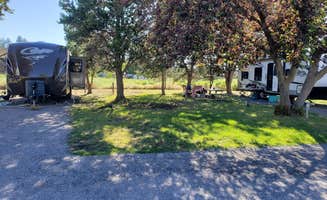
Consider proximity to neighbors: Some RV parks optimize for capacity rather than privacy. At Crater Lake Resort, a camper noted, "I had a serious issue with how tight the spots were in relation to how much room is onsite. Our sewer drain was less than a foot away from our neighbors table, as was our other neighbors to ours."
Level site challenges: Prepare for uneven terrain at many natural sites. One RVer at Waterwheel Campground shared, "Some sites, including ours had a fair bit of slope front to back," requiring leveling blocks or other stabilizing equipment for comfort.












 Scout
Scout


