Lake Mead National Recreation Area spans over 1.5 million acres across Nevada and Arizona, with dispersed camping options generally located on arid, rocky terrain between 1,200-3,000 feet in elevation. Water levels have dropped significantly in recent years, changing shoreline access points and extending the distance between established camping areas and the water. Nighttime temperatures can drop dramatically even during summer months, with winter nights frequently dipping below freezing.
What to do
Wildlife viewing: Look for wild burros at Kingman Wash, where visitors often encounter them near campsites. "I spent 3 days and nights here at Kingman Wash... The burrows were a very welcome plus that added to the enjoyment of the trip," reports one visitor who enjoyed the unique wildlife interaction.
Paddleboarding: Access calm waters for paddle sports at various points along the lakeshore. At Kingman Wash, one visitor noted, "The water is great and is perfect for my paddleboard!" The protected coves provide calmer conditions compared to the main body of the lake, making it ideal for beginners.
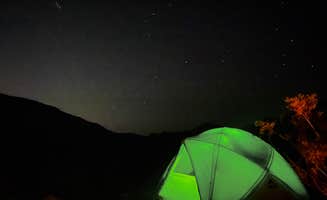
Night sky viewing: Camp away from light pollution for stargazing opportunities. The desert location offers excellent visibility on clear nights. At Stewart's Point Dispersed Camping, campers experience "amazing night sky and lots of donkeys braying day and night," creating a memorable atmosphere.
What campers like
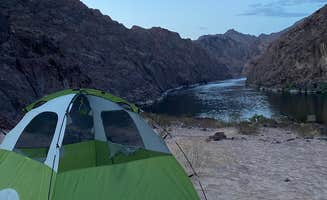
Direct water access: Some sites provide beachfront camping. At Arizona Hot Springs, "once you reach the Colorado river, you will come across a beachy area. You can set camp here for the night." This provides immediate access for swimming and cooling off during hot days.
Natural hot springs: Thermal pools offer a unique experience in the desert landscape. "The hot spring, which is the main reason to camp here, forms several pools that are located about 1,000 feet from the river, where the canyon walls are nearly vertical and about 6 to 9 feet apart," explains an Arizona Hot Springs visitor.
Off-grid solitude: Privacy varies by location and timing. At Stewart's Point, visitors appreciate that there are "lots of spots to choose from and many opportunities to be far from other people." Weekday visits typically offer more seclusion than weekends, especially during peak seasons.
What you should know
Road conditions: Access varies dramatically between locations. One Kingman Wash visitor advises, "This campsite, based on view, seclusion and amazing-ness in general gets 5 stars for sure. Getting there is something you really have to want to do. The road is about 3 miles, but takes about 25 minutes to traverse. It's hilly, bumpy and holey."
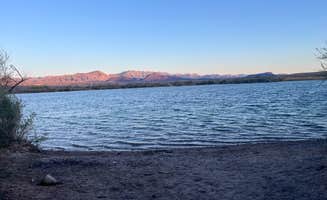
Water level changes: Lake levels affect beach camping availability. A visitor at Eight Mile Dispersed Camping noted, "It's a hike to get to the water from here you can't actually get down to the water so keep that in mind."
Weather extremes: Wind can create challenging conditions. At Stewart's Point, campers report "white caps on the water because of wind," which can affect tent stability and comfort. Summer temperatures regularly exceed 100°F while winter nights can drop below freezing.
Waste management: Pack-out requirements apply to all waste. The Black Canyon of the Colorado area requires visitors to "bring Wag Bags or other poop removal method, including your toilet paper" as part of Leave No Trace practices.
Tips for camping with families
Pack extra water: No potable water available. Plan for at least one gallon per person per day, plus additional for cleaning and emergencies. "Water can be filtered in an emergency, but it is the Colorado River; so we'd recommend bringing 1 gallon of fresh drinking water per person per day," advises a Black Canyon visitor.
Bring water shoes: Rocky shorelines dominate. The terrain around the water can be difficult on bare feet. "Water shoes are highly encouraged as you will pass multiple hot springs," notes an Arizona Hot Springs visitor.
Consider timing carefully: Avoid summer heat with children. The Arizona Hot Springs hike "is closed during the summer months" due to extreme temperatures, which can create dangerous conditions for families with children.
Watch for wildlife: Encounters are common. At Kingman Wash, "we had two [burros] that visited us (please don't feed them!) and were a delightful change of wildlife from the bears and deer we are used to back home. You could hear them 'talking' near the water later that eve."
Tips from RVers
Elevation camping: Stay on higher ground for stability. At Emerald Cave Dispersed, "upper sites are more level and packed, the roads and sites get sketchy and soft further down you go to the water," making the higher areas better for larger vehicles.
Solar power: Abundant sunshine supports off-grid camping. Visitors to Knob Hill BLM Dispersed Camping note "there is plenty of sunshine to keep your solar panels full," allowing for extended stays without hookups.
Camp selection: Water proximity affects terrain. At Eight Mile Road, "the road is very rough so I parked as soon as I was able in a class B," demonstrates how vehicle type should influence site selection. Larger RVs generally need to stay in more accessible areas.
Seasonal adjustments: Winter visits require preparation. RV campers should bring supplemental heat sources for overnight temperatures that can drop below freezing from November through February.
















 Guide
Guide


