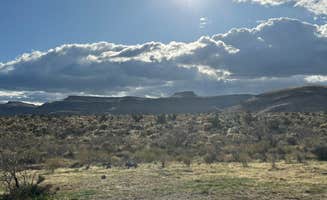
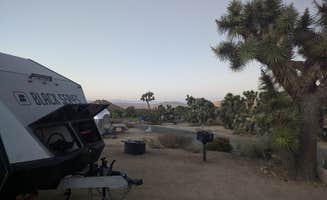
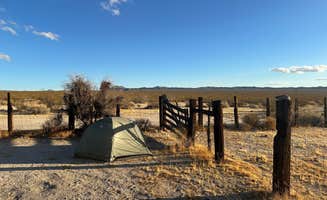
Dispersed camping near Mojave National Preserve offers remote desert experiences across 1.6 million acres of Mojave Desert terrain. The preserve sits at elevations between 2,000 and 8,000 feet, creating temperature variations that can exceed 30°F between day and night. Most dispersed camping sites feature distinctive desert landscapes with Joshua trees, rocky outcrops, or sand dunes that provide natural shelter from prevailing winds.
What to do
Hiking the dunes: At Kelso Dunes Dispersed, visitors can climb the 600-foot sand formations for panoramic desert views. "The Kelso dunes are no joke. 600' climb in elevation in deeeeeeeep sand that's been accumulating for 25k years. It's breath taking literally once you're there," shares Jody S., who recommends bringing "water and salty snacks to help with the sweat loss."
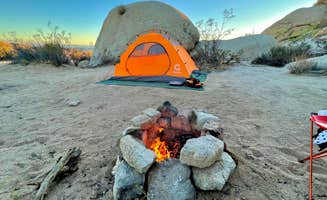
Rock climbing: The granite formations at Indian Springs provide natural bouldering opportunities with various difficulty levels. "Beautiful sunset at this place with black lava rocks, cute tufts of yellow grass looking like little fires in the sunset," notes Tilda P. The volcanic terrain creates numerous climbing routes among the distinctive rock formations.
Stargazing: The preserve's dark skies offer exceptional celestial viewing with minimal light pollution. "Amazing star gazing in the dessert with very little light pollution," notes Chanel C. about Mojave Cross Dispersed. Many campers recommend bringing binoculars specifically for wildlife and astronomical observation.
What campers like
Privacy between sites: The spacious nature of dispersed camping areas provides separation between visitors. "There are several dispersed sites—some closer to the boulders than others. Some sites more private than others," explains Meghan B. about Granite Pass Dispersed Roadside Camping. The rock formations create natural site boundaries.
Protection from elements: "We opted for a spot against some jumbo rocks for wind protection," reports Sara S., who stayed at Mojave Cross Dispersed. Desert winds can become strong, particularly during seasonal transitions, making sheltered camping locations valuable.
Wildlife observation: The desert ecosystem supports diverse animal species that become active during cooler hours. "Watch out for cacti which are enormous! Coyotes howling at night," notes Sara S. Morning and evening hours offer the best wildlife viewing opportunities when temperatures are moderate.
What you should know
Vehicle considerations: Many sites require careful navigation on unpaved routes. "The road is sandy, rocky, and hilly with rivets and ruts. I made it in an AWD Subaru, but be careful. I scraped the undercarriage in one spot," advises Mara S. about Kelbaker Road Dispersed Camping.
Weather preparation: Desert temperature fluctuations require appropriate gear for both hot days and cold nights. "Stayed here in December with overnight lows around 30 degrees. Bundle up and enjoy!!" recommends Jake from Mojave Cross Dispersed.
Communication limitations: Cell service varies significantly across the preserve. "Don't plan on having cell service—it's pretty much non-existent in this area," warns Meghan B. about Granite Pass. Downloading offline maps before arrival is essential for navigation.
Tips for camping with families
Accessible hiking options: Teutonia Peak Trail near Mojave Cross offers family-friendly terrain with clear markers. "Right across from the Teutonia Peak trailhead. Perfect for going on a day hike and explore the landscape surrounded by Joshua Trees," notes Chanel C.
Sand play activities: Kelso Dunes provides natural recreation opportunities for children. "If you have kids think worlds tallest sand slide and take a sled of some sorts," suggests Jody S., highlighting the dune's natural playground qualities.
Site selection for shade: Look for camping areas with natural shade features. "Found a spot a past reviewer had a picture of, in a little cove in the lava rocks which had some nice shade for my pup," shares Brandon about Indian Springs, noting the importance of natural shelter in the desert environment.
Tips from RVers
Road navigation: Narrow access roads require caution with larger vehicles. "We squeezed a 24' travel trailer down behind a 3/4 ton truck but it was worth it. Your rig will brush against bushes and at one point we used walkie-talkies to spot the route," advises James M. about Granite Pass Dispersed.
Maneuvering space: Consider turnaround requirements when selecting sites. "I backed about 50 yards into the site itself because I was too long to maneuver in the site (this was figured out the hard way)," continues James M., emphasizing the importance of planning vehicle positioning.
Surface conditions: Be aware of potential soft sand areas that can trap vehicles. "There are some soft spots in the sand/gravel that had me nervous, but I don't think it is deep enough to be too concerning, just be cautious," suggests R.V. about Indian Springs. Morning departures often provide firmer ground conditions after overnight cooling.







 Guide
Guide


