Dispersed camping near Grain Valley, Missouri concentrates primarily in state-managed conservation areas within a 60-mile radius. This region experiences distinct seasonal changes with humid summers reaching 90°F and winter temperatures often below freezing. Autumn camping conditions typically provide moderate temperatures with colorful foliage, while spring brings higher moisture levels that can affect ground conditions at primitive sites.
What to do
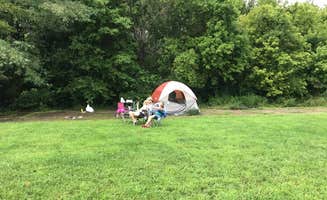
Wildlife observation opportunities: Crooked River Conservation Area provides habitat for numerous bird species and small mammals. One visitor noted, "There is really only one campsite, although there is enough room for probably four campsites," suggesting the area remains relatively uncrowded for nature viewing.
Fishing access: Multiple ponds and stream access points allow for fishing throughout the conservation areas. Most fishing spots require walk-in access from camping areas, with best results in early morning or evening hours. Bass and catfish are common catches.
Seasonal hunting: Conservation areas permit hunting during designated seasons with proper Missouri permits. This affects campsite selection during fall and winter months when hunting activity increases.
What campers like
Minimal regulations: Poague Campsite #5 offers a straightforward camping experience with few restrictions. As one camper mentioned, "This is great secluded spot, right off the highway. Perfect for what I was looking for to car camp."
Budget-friendly options: All dispersed camping locations near Grain Valley operate on a free access model. Conservation areas require no entrance fees or camping permits for stays under 14 days.
Proximity to Kansas City: Most dispersed camping options sit within a 45-minute to 90-minute drive from Kansas City metropolitan area, making them accessible for weekend trips without extensive travel time.
What you should know
Limited facilities: Poague Campsite #3 and other dispersed sites in the region provide no running water, electricity, or garbage service. Campers must bring all necessary supplies and carry out all waste.
Varying site conditions: Site maintenance differs significantly between conservation areas. Some provide mowed areas while others remain more primitive with natural ground cover.
Fire regulations: Regulations about campfires vary by location and season. Conservation areas may implement complete fire bans during dry periods, particularly in late summer and fall.
Cell coverage: Most dispersed camping areas have limited or no cell phone service. Major carriers provide spotty coverage at best, requiring campers to plan communication needs accordingly.
Tips for camping with families
Safety considerations: Poague Campsite #4 and similar sites lack defined boundaries or ranger presence. Families should select sites with natural boundaries and camp in groups when possible.
Water supply planning: No potable water exists at conservation area campsites. Families should calculate 1-2 gallons per person per day, plus additional water for cleaning and cooking needs.
Educational opportunities: Conservation areas offer opportunities to teach children about local ecosystems. Bring field guides specific to Missouri flora and fauna to enhance the experience.
Weather preparedness: Sites lack shelter structures, making weather awareness crucial. Summer thunderstorms develop quickly, requiring proper tent setup and rainfly installation even during clear conditions.
Tips from RVers
Size restrictions: Many access roads to conservation area camping limit vehicle size. Most sites cannot accommodate RVs longer than 25 feet or with low ground clearance.
Self-containment requirements: All RVs must operate fully self-contained at dispersed sites. Gray water storage capacity becomes a primary concern for longer stays.
Leveling challenges: Prepare with leveling blocks as most sites feature natural, ungraded surfaces with potential slopes. Scout locations before positioning larger vehicles.
Generator considerations: While generators are not explicitly prohibited in many areas, noise restrictions and consideration for other campers limit operational hours, typically between 8am-8pm.



 Guide
Guide