Nestled within West Virginia's central Appalachian region, Shady Spring offers camp sites at elevations ranging from 1,800-2,500 feet, creating distinct microclimates across the area. Summer highs typically reach 80-85°F, with evening temperatures dropping 15-20 degrees. The region receives approximately 45 inches of rainfall annually, with heaviest precipitation occurring April through June.
What to do
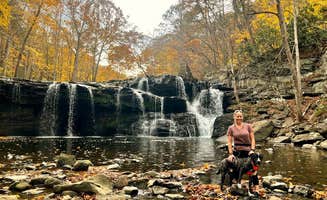
Waterfall hikes: 3-mile round trip to view Mash Fork Falls at Camp Creek State Park. "The waterfalls are easily accessible and were beautiful even without an abundance of water," notes Dawn M. The park features several hiking trails connecting directly to waterfall viewpoints.
Historic exploration: 45-minute guided tours of underground mine tunnels near Beckley Exhibition Coal Mine Campground. "Take a tour of the mine, museum, and associated villages (both a coal town and an earlier pioneer community). The guides are knowledgeable and friendly," says Jean C., who found the interpretive exhibits particularly informative.
River kayaking: Class I-III rapids available on the New River near Army Camp Campground. "Area for people to swim in the river or fish. One trail on far side of parking area that I haven't been on yet," reports Billy C. Water levels can fluctuate significantly after rainfall, making river conditions unpredictable.
Mountain biking: 20+ miles of trails throughout the region, with some of the best routes near Pipestem Resort State Park. "Lots of places to bike ride for my family of young kids (4 & 8)," shares Jennifer S. Trails range from beginner-friendly paved paths to technical singletrack for experienced riders.
What campers like
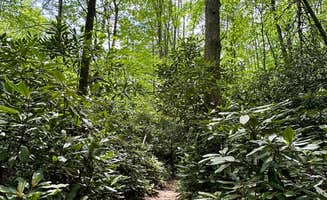
Private wooded sites: Secluded camping spots at Army Camp Campground provide natural buffers between neighbors. "Spots are large enough to fit 2 vehicles. Sites are gravel with fire pit, charcoal grill, and picnic table. Spots are shaded," according to Caroline F. Many campers appreciate the hammocking opportunities near riverside sites.
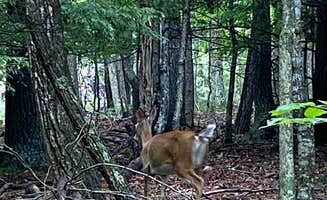
Wildlife viewing: Dawn and dusk deer sightings common throughout the area. "You can't beat an established campground (picnic tables, fire pits, bathrooms) in a national park that's also free! Good amount of spiders and ants but didn't notice any mosquitoes in mid May," reports Rachel S., who spotted numerous deer during her stay.
Stargazing: Minimal light pollution at most campgrounds in the region. "The night sky was amazingly clear and stars were bright," Kevin A. observed during his visit to Pipestem Resort State Park. Most dog friendly campgrounds near Shady Spring are situated away from major urban centers, providing excellent night sky viewing.
Free camping options: No-cost sites available at several national park campgrounds. "Free is a big draw," notes Dave V. about Grandview Sandbar. Many free sites include amenities like fire rings, picnic tables, and access to vault toilets.
What you should know
Seasonal closures: Most campgrounds operate April-October with limited winter facilities. "Just a quick FYI, there is no camping in the winter," reports Shelly S. about Little Beaver State Park. Always check official websites or call ahead during shoulder seasons.
Flood potential: Riverside camping requires weather awareness at Stone Cliff Campground. "This was a peaceful, nice area but when there is a lot of rain there is definitely the chance it'll flood," warns Chaz M. River levels can rise rapidly during heavy rainfall, especially in spring.
Road conditions: Narrow, winding access roads to some campgrounds require careful driving. "The road to access is single lane paved/gravel. Best for cars/vans, but did see some small pull behinds," notes Caroline F. about Army Camp. Some roads become particularly challenging after dark or during inclement weather.
Limited cell coverage: Minimal or no service at most campgrounds in the area. "No AT&T service so I only stayed two nights (gotta work during the week!)," mentions Tucker B. Wi-Fi is generally unavailable except at private campgrounds like Rifrafters.
Tips for camping with families
Playground access: Dedicated play areas at several pet-friendly campgrounds near Shady Spring. "They also had a nicely updated park for the kids to play," Jennifer S. says about Pipestem Resort. Family-oriented activities typically concentrate around developed campgrounds rather than primitive sites.
Educational programs: Ranger-led activities available at larger state parks during summer months. "The Nature Center is nice. The typical stuffed animals. You're not allowed to pet the bear!!" Cynthia K. notes about Pipestem's interpretive center, which offers scheduled wildlife presentations.
Kid-friendly hiking: Short, accessible trails suitable for young explorers. "We had site 19, which was the middle of a loop and it was space and flat," reports Kaley A. about Babcock State Park. "Hiking was great and my young children hiked all of it with us."
Swimming options: Designated water play areas at several locations throughout the region. "During summer months, there are inflatables in a lake, also must pay," notes Swain K. about Pipestem's water recreation opportunities, which provide structured alternatives to river swimming.
Tips from RVers
Site leveling: Many campgrounds require blocking for level setup. "Many sites looked like it may take some work to get level. We were in site 20 with a 23 ft TT and got level fairly easily but a longer rig may have difficulty in that site," reports Adam and Suzanne B. about Little Beaver State Park.
Hookup configurations: Utilities sometimes positioned awkwardly on campsites. "Our electric post was on the opposite side of our electrical outlet," notes Bruce E. about Beckley Exhibition Coal Mine Campground. Extension cords and longer hoses may be necessary at some locations.
Dump station access: Limited sewer hookups at most public campgrounds. "Dump site was a little different. Had to make a uturn to get in to dump," Charlie W. mentions about Little Beaver State Park, which like many area campgrounds offers dump stations rather than at-site sewer connections.
Pull-through availability: Limited options for larger rigs without disconnecting. "We had site 19 which is one of the few pull thrus. We have a triple axl, had plenty of room and the site is wooded," Heather H. says, highlighting the importance of researching site dimensions before arrival.













 Legend


