Dispersed camping opportunities near Great Cacapon, West Virginia span elevations between 500-1500 feet with forests dominated by oak, hickory, and maple trees. The region experiences four distinct seasons with summer highs averaging 85°F while spring and fall bring temperature swings of 30-40°F between day and night. The Cacapon River watershed provides extensive water access for outdoor recreation with opportunities for both primitive and established camping sites.
What to do
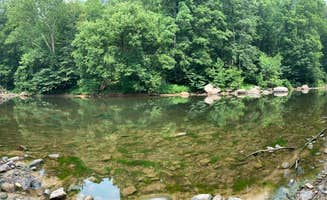
Kayaking the Potomac: 5-mile access points The Potomac River provides numerous paddling opportunities near Fifteen Mile Campground, where campers can utilize the boat launch and parking area. "Quiet during the week. Water access and biking/hiking trail. Beautiful place in the early morning hours," writes Jeremy S. The campground serves as an excellent starting point for paddling adventures with riverside sites and close proximity to the C&O Canal Towpath.
Hiking woodland trails: 7+ mile options Rocky Gap State Park Campground features a complete 5-mile trail circling Lake Habeeb with connections to other park paths. According to Jeff H., "The 5 mile hike around Lake Habeeb is enjoyable. Great way to see all sides of the park." The trail system accommodates hikers of all skill levels with mostly moderate terrain and occasional steep sections.
Historical exploration: 18th century fort Fort Frederick State Park offers visitors a glimpse into colonial history with its well-preserved stone fort. "The fort is very cool, and exhibits are great," notes Sean M. The park combines camping with historical exploration, allowing visitors to experience living history demonstrations during seasonal events while staying at riverside campsites.
What campers like
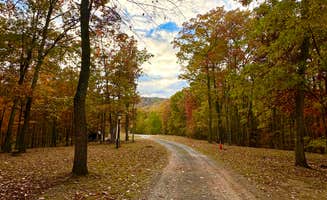
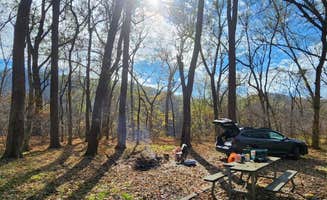
Spacious, private campsites: The camping areas at Green Ridge State Forest provide exceptional privacy compared to more developed campgrounds. "The forest is beautiful, the campsites are large and very spaced out, firewood is bountiful, the area feels very remote. From our campsite, we could not see or hear the next closest campsite," shares Benjamin L. Most primitive sites include only a fire ring and picnic table with significant distance between neighboring campers.
Water recreation access: Many campgrounds in the region offer direct access to lakes and rivers for swimming, fishing and boating. "Rocky Gap is best earlier and later in the year. It's less crowded. The campground beach is fun. There is a 5 mile trail that goes all around the lake. Lots of lake to paddle," explains Marcandpatti B. The designated swimming areas provide safe water access during summer months.
Natural solitude: The region's more remote camping areas offer exceptional quiet and star-viewing opportunities. At Sleepy Creek Wildlife Management Area, campers find genuine wilderness experiences. "It's very peaceful, at least every time I've gone. Amazing views of the lake and surrounding mountains. Most of the sites are kinda spread out for the most part," describes Tyler H. The lack of development creates excellent conditions for wildlife observation and night sky viewing.
What you should know
Primitive facilities: Many camping areas in the region operate with minimal facilities. At Green Ridge State Forest, Nancy N. explains: "Totally primitive camping only, first come first serve for getting a site, but it's absolutely gorgeous and a true camping experience!" Campers should prepare for self-sufficiency with limited or no water sources, pit toilets instead of flush facilities, and pack-in/pack-out trash requirements.
Limited cell service: Most camping areas have spotty or non-existent mobile coverage. "No cell service at all- bring a weather radio," advises Sue J. about Sleepy Creek Wildlife Management Area. WiFi is rarely available except at private campgrounds, making these locations ideal for digital detox but challenging for those needing connectivity.
Weather preparedness: The mountain region experiences significant temperature fluctuations, especially in spring and fall. At Gary's Family Campground, Paul O. noted: "We stayed on a Monday and Tuesday in June and basically had most of the campground to ourselves." Shoulder season camping offers solitude but requires additional warm clothing and rain gear as weather can change rapidly in higher elevations.
Tips for camping with families
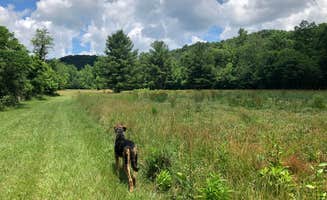
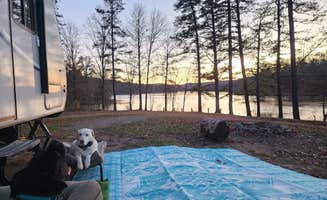
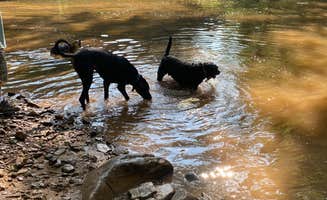
Dog-friendly beaches: Pet owners seeking dog-friendly camping near Great Cacapon, West Virginia appreciate dedicated pet recreation areas. Sue J. from Rocky Gap State Park Campground shares, "The dog beach was perfect." The specially designated canine swimming area allows pets to cool off during summer heat while keeping them separated from main swimming beaches.
Easy access trails: Many campgrounds feature beginner-friendly hiking options suitable for all ages. "A lot to do here!" exclaims Jeff H. about Rocky Gap State Park. The park's trail system includes shorter routes with minimal elevation gain that work well for families with small children or older adults.
Educational opportunities: Historical sites provide learning experiences alongside outdoor recreation. Adrian F. notes about Fort Frederick: "Great spot for some small hikes and history at the fort. There's also tons of markers on the trails with history." These educational components add depth to family camping trips, especially during inclement weather when outdoor activities might be limited.
Tips from RVers
Site leveling challenges: Many campgrounds in the mountainous terrain require extra leveling equipment. At Little Orleans Campground, Jennifer K. advises: "Our site P1 is a full hook up pull through but it's really unlevel. We ran out of blocks trying to level on this site and were still off a bit." RVers should bring additional leveling blocks and stabilizers, especially for the more rustic campgrounds.
Limited hookup availability: Full-service RV sites are concentrated at private campgrounds, while state and federal lands offer more primitive options. "We stayed at campsite #1 off of 15 mile creek Road... We have a 25' travel trailer and most places we scouted we probably couldn't take it. Site 2 looks not too bad but a little less level. Site 6 also seemed like a nice spot for a Rv," reports Josh G. about Green Ridge State Forest, highlighting the need to research site specifications before arrival.
Supply planning: With limited services nearby, RVers should arrive fully stocked. "It's a good 7 miles off the main road, so make sure to bring everything you need with you," recommends Jim N. regarding Sleepy Creek Wildlife Management Area. Most camping areas are 20-30 minutes from the nearest supplies, requiring comprehensive meal planning and adequate water reserves.















 Traveler


