Glamping facilities near Mount Rainier National Park range from yurts to cabins, with proximity to both the Nisqually entrance and smaller communities like Randle and Ashford. Winter access to some sites requires special preparation, with Yurt Snowshoe demanding a 12.5-mile trek during snowy months. Campgrounds generally maintain year-round operations with varying levels of amenities depending on the season.
What to do
Explore historic lakes: Bumping Lake offers boating opportunities with rentals available at the marina. "The lake is five miles long with lots of camping spots along the lake. They also have cabins you can rent," notes Becky R. about Bumping Lake Campground.
Hike nearby trails: Multiple trail systems connect campgrounds to nearby rivers and viewpoints. At Iron Creek, "there is a trail loop that is not fully open now, but you can walk along the river" according to Gayle K., who visited Iron Creek Campground.
Fish local waters: Several locations near Mount Rainier offer fishing access with varying complexity. The Cowlitz River provides opportunities where "the water is very cold, even on a hot day. Use caution, check under the water's surface before jumping off big rocks," warns Ethan H. about fishing spots near the river.
Winter snowshoeing: Winter backcountry access requires preparation and proper equipment. When staying at more remote locations during winter months, plan travel carefully as "with several feet of deep snow, this 12.5 mile snow hike was no joke. Took us 8 hours to get to the yurt."
What campers like
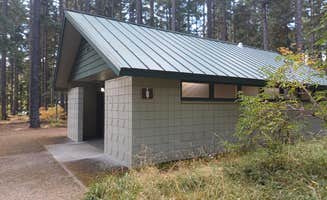
Clean facilities: Campgrounds throughout the region maintain high cleanliness standards. "The bathrooms were always clean. There's designated dish washing station (though there's no spout right now) and potable water station," mentioned Sarah Claire B. about Elkamp Eastcreek.
Private camping spaces: Most sites offer separation between campsites through natural vegetation. "This campground is remarkable in the privacy between each of the camping spots, the bird life, the wild and deep forest vibes, and the walking trails," notes Brittany D. about Dash Point State Park Campground.
Proximity to attractions: Locations provide convenient base camps for regional exploration. "This is a great small campground for exploring Mt Rainier. We stayed here with friends from Colorado and explored the park and did some great hiking outside of the park," writes Eric P. about his stay at Mounthaven Resort.
Forest atmosphere: Old-growth trees create a distinctive camping experience. "We spent 2 nights here. So peaceful. The forest is so thick couldn't hear other campers. Vault toilet kept very clean and stocked. Had water a short walk away. Trees here are 600 years old. Huge," explains Ralph M. from his stay at Iron Creek Campground.
What you should know
Seasonal differences: Water levels at some lakes fluctuate with dam operations. "Place is great for family and group camping. The only damper to this year was the dam in Tacoma was partially drained causing a 'low tide' which exposed the dirt and poor beach area," reported Natashinka C. about Alder Lake Park.
Limited connectivity: Cell service varies widely across campgrounds. "We have AT&T cell service. We had no service at all. It was nice to be unplugged," mentions Gayle K. about Iron Creek. Many campgrounds throughout the region experience similar limitations.
Bathroom facilities: Facilities vary from flush toilets to vault toilets depending on the campground. "The sites were nicely spaced and wooded. The Lower Campground is not on Bumping Lake and seems to be set a bit more for RV camping with pull through sites," explains Daniel L.
Campground monitoring: Some parks maintain strict rule enforcement. "This campground is heavily patrolled by the park rangers. I usually have contact with them in my campsite at least twice a day," reports Kelly P. from Kanaskat-Palmer State Park, adding "if you are a large group, like to stay up late and listen to music and/or party it might not be the campground for you."
Tips for camping with families
Look for dedicated amenities: Some campgrounds feature child-specific facilities. "With small kids in our group, it was convenient to have the path to the playground right between sites A6 and A8. Staff was wonderfully friendly and helpful, and the grounds have some fun amenities like the playground and ball field," shares Allyson U. about Cowlitz Falls Campground.
Consider water safety: Rivers can run fast depending on the season. At Iron Creek, "The river was moving very fast in early June, and we would not have felt safe being beginning kayakers. The river was moving quite fast and seemed turbulent," cautions Gayle K.
Site selection matters: Corner sites often provide more privacy for families. Rachel from Kanaskat-Palmer State Park notes, "We stayed just one night at site 42, which was on a corner and offered a good amount of privacy and easy access to the clean bathrooms."
Prepare for weather changes: Mountain elevations cause temperature fluctuations. "Always windy and temps drop at night even after warm days so dress accordingly," advises Zannie P. about conditions at Bumping Lake.
Tips from RVers
Site length limitations: Check site dimensions before booking. "I think a 40ft would be maximum length," warns Ralph M. about Iron Creek Campground. "Our 30 ft TT filled the parking pad but we never unhooked the truck."
Solar limitations: Dense forest canopy affects solar panel effectiveness. Ralph M. also notes at Iron Creek, "We use a solar panel to run out refrigerator. The trees were so thick we were on battery the whole time."
Hookup availability: Power and water options vary significantly. "Loops: A-Loop: water & electric. A mix of shaded and open grassy sites. Outer are pull through, inner are back in," explains Daniel L. about Cowlitz Falls Campground.
Road conditions: Forest roads can be challenging for larger rigs. "It's 9 miles south of Randle on FS 25. Rough in spots," cautions Ralph M. about access to Iron Creek Campground.




 Guide
Guide