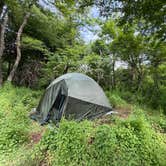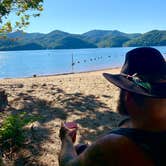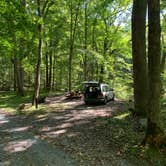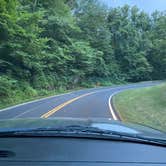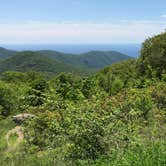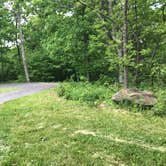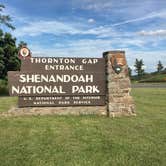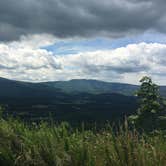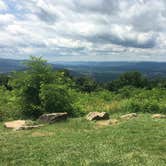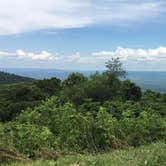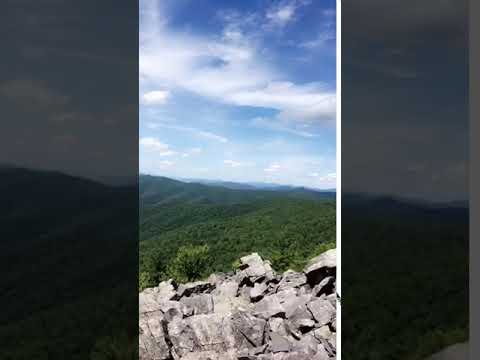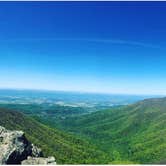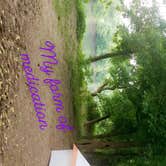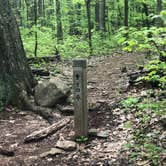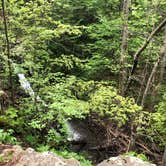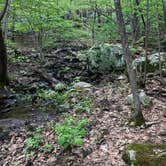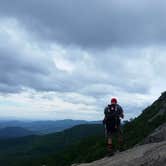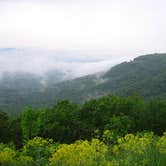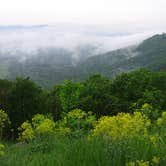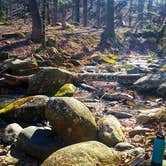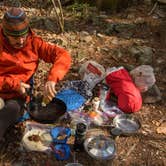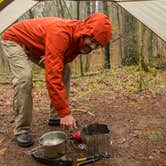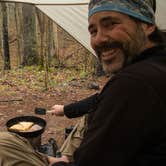
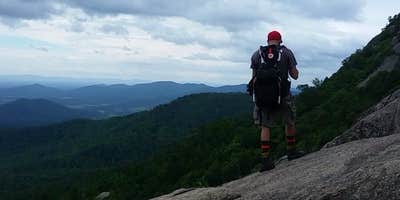
Stretching along Skyline Drive from Milepost 21 southward through the Blue Ridge, Shenandoah National Park's dispersed backcountry sites are scattered across a landscape that shifts dramatically with elevation. Drop from the ridge into the hollows and the terrain changes fast, from exposed ridgeline to creek-bottom forest within a few miles of hiking. These are not numbered pullouts with picnic tables. Campers pick their own ground, and finding a level spot large enough for two tents can take real effort, particularly in the rocky, root-crossed sections of the park's interior trails.
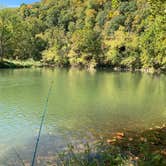
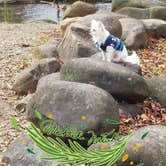
Water access is a consistent draw. Creeks run full in spring, with some crossings reaching thigh-deep by April, and established sites along trails like Jeremy Run and Overall Run sit close enough to hear moving water through the night. "[I] got to sleep listening to a river all night," notes Stephanie R.. Bear activity is real and documented across multiple reviews: scat, cubs, and adult sightings have all been reported. Food hangs are necessary, and not every site has obvious options overhead, so come prepared with extra cord and a plan.
Cell service is essentially absent throughout the backcountry. No hookups exist at dispersed sites, and campfires are currently prohibited in the park, so a canister stove is required for cooking. The Mathews Arm Campground, roughly a mile from the park's North District trailheads, provides a drive-in alternative for those who want established facilities nearby. Campers planning a longer stay in the region can also browse campgrounds near Shenandoah National Park for developed options with hookups.
Spring brings the most dramatic conditions: blooming understory, flowing creeks, active wildlife, and highly variable temperatures that can swing from warm afternoons to freezing nights within the same trip. Ticks and gnats are active by April. Backcountry permits are required and free, available at park visitor centers or self-registration stations. Bring layers rated for below-freezing temperatures if visiting before late May.
Description
Shenandoah National Park has 196,000+ acres of backcountry and wilderness and over 500 miles of trails to explore. Backcountry camping is, by its very nature, a primitive experience that allows you to immerse yourself in the beauty and challenge of Shenandoah's wild side. Before you head out on your trip, however, be sure that you understand all of the information below so that you'll be prepared to safely discover a brand new world beyond the pavement!
All sites are within 5-8 miles of Skyline Drive, starting from mile 21 in the North District. All are near creeks (runs) and completely undeveloped. Check with the Visitor Center for permits and camping regulations within the park. Many, but not all trails, allow dogs.
RV Road Trip Guides
Map & DirectionsShenandoah National Park Dispersed Sites is located in Virginia near Bentonville
 Dispersed Camping
Coordinates
38.76142842 N
78.2817724 W
Connectivity
 T-MobilePossible CoverageVerified by 23 usersLast on 12/11/25
 VerizonLTESome CoverageVerified by 4 usersLast on 3/9/26
 AT&T5GExcellent CoverageVerified by 15 usersLast on 9/24/26
Connectivity
- T-MobilePossible CoverageVerified by 23 usersLast on 12/11/25
- VerizonLTESome CoverageVerified by 4 usersLast on 3/9/26
- AT&T5GExcellent CoverageVerified by 15 usersLast on 9/24/26
Access
- Drive-InPark next to your site
- Walk-InPark in a lot, walk to your site.
Site Types
- Tent Sites
- Dispersed
Features
For Campers
- Firewood Available
- Drinking Water
- Electric Hookups
- Fires
DISPERSED CAMPING
Enjoy dispersed camping on government land and leave no trace. Pack in and pack out. No (or limited) services at this camping area. Permit may be required.
PERMIT might be REQUIRED
We curate permit requirements across the US for our PRO members. Try PRO to see if Shenandoah National Park Dispersed Sites — Shenandoah National Park needs a permit.
Drive Time
- 58 min from Winchester, VA
- 1 hr from Harrisonburg, VA
- 1 hr 22 min from Charlottesville, VA