Dispersed camping opportunities near Deschutes National Forest range from primitive wilderness sites to boat-in lake locations. Most areas implement seasonal closures from mid-October through May due to snow conditions at higher elevations. Sites positioned along the McKenzie River Trail provide access to backcountry water features while requiring minimal hiking, typically under 2 miles from trailheads.
What to do
Hike the waterfall loop: From Koosah Falls, campers can access the 26-mile McKenzie River Trail with shorter day hikes available. "I recommend hiking the Waterfalls Loop Trail to see Sahalie Falls as well. Nearby you can visit Clear Lake, fed by a natural spring that stays a consistent low temperature that does not allow vegetation to grow, creating an astounding experience for fishing and boating," notes Kelly N.
Winter recreation: Ikenick Sno-Park offers snowshoe trails during winter months when tent camping transitions to vehicle-based camping. "Looks like lots of trails to snow shoe. Definitely go up the road and give Blue Pools a hike," shares Miles G. The area serves as both winter recreation access point and warm-weather camping base with multiple trailheads accessible from the parking area.
Non-motorized boating: The pristine waters at Clear Lake restrict motorized boats, creating ideal conditions for paddling. "This would be a great place for those paddle boards. The lake is for non-motorized boats. Can do fishing too," explains Cindy U. Canoe and kayak rentals are available during the summer season, with guests noting the glass-like water conditions during early morning hours.
What campers like
Natural swimming areas: Alpine lakes throughout the region offer swimming opportunities despite cool temperatures. "The lakes were a bit chilly in late August, but that did not deter determined kids!" shares Rachel S. about Irish & Taylor Lakes. The area features multiple mountain lakes with shoreline access for swimming and wading.
Boat access campsites: Cultus Lake Boat In - West Campground provides lakeside tent sites accessible only by boat, creating natural separation from crowded areas. "The campground beach was like little Jamaica, especially on a hot sunny day. We enjoyed our 3 nights but were glad to be out before the weekend when day trippers crowded in," notes Ryan W. Early morning water conditions remain calm before motorized activity begins around 7:30 AM.
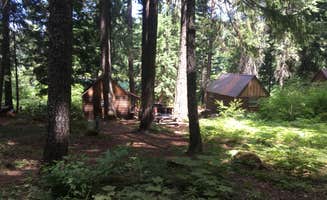
Rustic accommodations: Some areas offer basic cabin rentals as alternatives to tent camping. "Rented a rustic cabin a couple weeks ago. It was perfect. Lights out at 10 but lanterns and propane heat keep you comfortable," explains Evan M. about his stay at Clear Lake Resort. These accommodations provide weather protection while maintaining a primitive camping experience.
What you should know
High-clearance vehicles required: Many dispersed sites demand vehicles capable of navigating rough forest roads. "The road getting here either direction is for high clearance vehicles only, but once there it is worth the bouncy ride. Beautiful!" reports DeWayne W. about accessing Irish & Taylor Lakes. Forest roads often feature rocks, ruts, and uneven surfaces that standard passenger cars cannot safely navigate.
Conflicting recreation uses: Some trails now accommodate multiple user groups, creating potential conflicts. Paul H. notes about Koosah Falls: "It's not unusual to be ran into the bushes, or trip on the ruts from the bikes. Beware if your hiking from the lake up to the East trailhead. It's a narrow blind trail, and some fly down with complete disregard for anyone on the trail."
Reservation requirements: Peak season camping at established sites typically requires advance planning. "We didn't have reservations, which I highly recommend if you want a vault toilet," explains Tracy N. from Lakes End Campground. Dispersed sites without facilities remain first-come, first-served with limited capacity during summer months.
Tips for camping with families
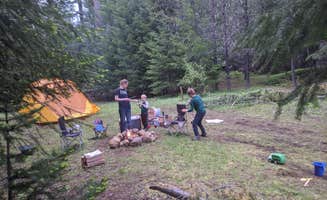
Pack water equipment: Lakeside camping provides water recreation opportunities requiring appropriate gear. "It was situated right next to the water. And while it didn't have a vault toilet, we loved how secluded it was. It was perfect for our family. There was ample space for our two tents, hammocks, paddle boards," shares Kristi K.
Self-contained camping: Most primitive sites lack facilities for families. Laura M. notes about Ikenick Sno-Park: "No toilets or trash in this area so pack in and pack out. No cell reception." Families should bring portable toilet solutions, trash management systems, and sufficient clean water for drinking and hygiene.
Seasonal considerations: Mosquito populations peak during early summer throughout the Deschutes region. DeWayne W. describes Irish & Taylor Lakes as "outstanding beauty and full of mosquitoes." Families camping before mid-July should pack appropriate insect protection, including nets, repellents, and protective clothing.
Tips from RVers
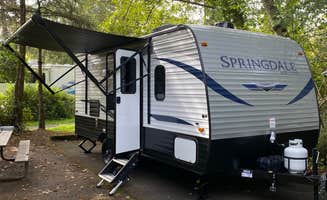
Boat-in camping alternatives: Cultus Lake Boat In Little Cove Campground offers access for small watercraft with shoreline camping. "This is a wonderful Lake, swimming, kayaking, canoeing, and camping. We go every year. It is dry camping, no hook ups. But beautiful," shares Lynda W. RVers can park at main campgrounds and use watercraft to access more secluded tent sites along shorelines.
Tow vehicle considerations: Boat ramps have limited parking for vehicles and trailers during peak periods. Ryan W. notes: "The forest service instructions said to park our tow rig and trailer in designated parking at the ramp but we saw no such designated parking. Come early or come late as there isn't much trailer parking at the ramp."
Fire regulation confusion: Always check current fire regulations as they change seasonally and sometimes contain conflicting information. "The fire rules were confusing. Posted on one of the campground bathrooms had a sign saying no fires, however the forest service website said that fires were allowed in designated campgrounds," explains one camper at Cultus Lake.












 Traveler


