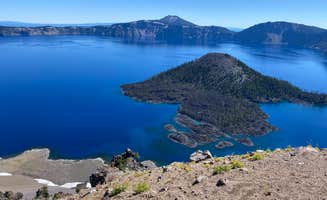
National forest land around Crater Lake offers primitive camping options at elevations ranging from 4,000 to 6,000 feet. Summer temperatures typically range from 50-80°F during the day, dropping to 30-40°F at night. The camping season generally runs May through October, with services more limited during shoulder seasons due to snow conditions.
What to do
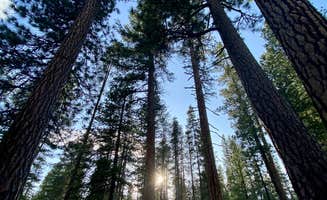
Stargazing sites: Clear mountain air and minimal light pollution make many dispersed sites ideal for astronomy. At Mount Thielsen Wilderness, campers experience exceptional night skies. "The stars and trees were stunning and the site was super accessible. When the temperature rose, there were some mosquitoes, but not many," notes one visitor who camped in late June.
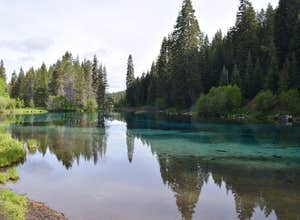
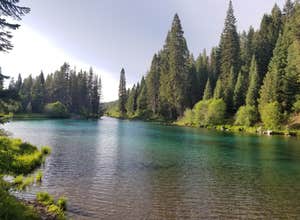
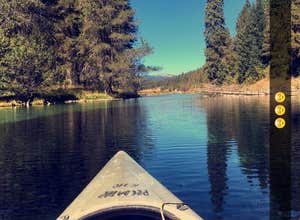
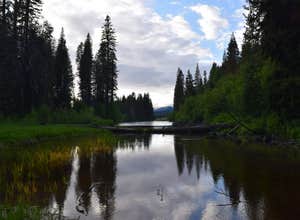
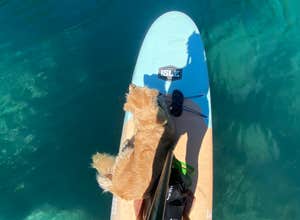
Kayaking access: Crystal clear springs and streams provide paddling opportunities. Jackson F. Kimball State Recreation Site offers direct water access. A camper mentioned, "We had brought our kayaks and launched right off the bank. It was also an off time at the end of September so we were practically the only ones."
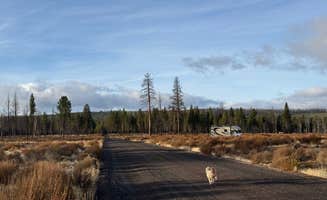
Winter snowshoeing: Some areas remain accessible for winter recreation with proper equipment. At Thousand Springs Sno-Park, "There is a huge lot that would fit many RVs, easy turnaround and plenty of room to spread out. It is right on 62 so you'll hear cars go by but traffic was really light in May, and quiets down significantly overnight."
What campers like
Wildlife viewing: Several camping areas offer chances to spot local wildlife, though sometimes too close for comfort. At Jackson F. Kimball, a camper reported, "We decided to stick it until said bear showed up at dinner time and had ZERO fear of us. He was willing to get way too close after several attempts to chase him off."
Seasonal solitude: October and May visits often mean having areas to yourself. One camper at Lightning Springs Backcountry Dispersed Campsite noted, "The lightning springs trail itself is incredibly long and we only went to where water was flowing so that we could fill up... This is a very busy national park in the summer months but going the first week of October made it so that we were the only ones in this area."
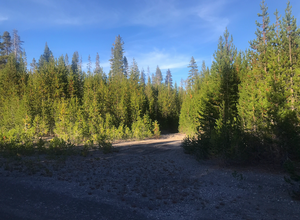
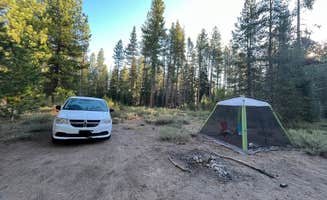
Free camping proximity: Many dispersed sites offer no-cost options with reasonable National Park access. A visitor to NF-70 Dispersed Camping Near Crater Lake NP shared, "Kept driving and in less than a mile found a spot all to ourselves. Huge site, perfectly level, in the woods. Not many mosquitoes. Solid T-mobile coverage."
What you should know
Cell service gaps: Connectivity varies widely across dispersed sites. A camper at Forest Road 960 Campsite reported, "Great spots with easy access to Crater Lake! We had a blast at this spot. It had ample space for the kids to play. It was a little dusty driving through."
Insect preparation: Bug protection is essential, especially near water sources. At Jackson F. Kimball, a visitor warned, "The only issue with the site is the mosquitos. Make sure to have bug spray and make a fire."
Weather variations: Temperature swings can be dramatic, requiring appropriate gear. A Mount Thielsen visitor cautioned, "I went in late October and it got down to 14 degrees at night. It was not snowing. But, do pack snow gear for that weather and have hot coffee for the morning."
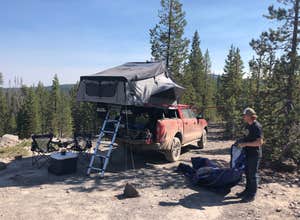
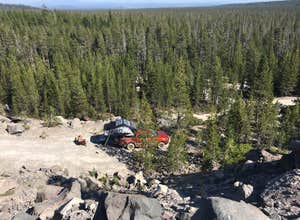
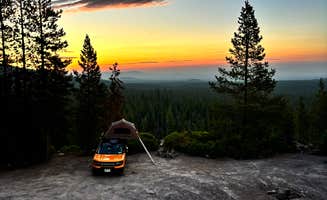
Road conditions: Forest roads vary in quality and clearance requirements. A Forest Road 960 camper noted, "Road was easy to get up, however 4x4 is definitely needed for the spots up on the rocks. Lovely view where we were!"
Tips for camping with families
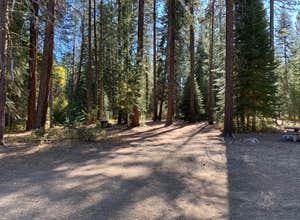
Established sites with amenities: Families may prefer locations with basic facilities. At Thousand Springs Sno-Park, "There is a huge paved parking lot not far from Crater Lake. They have bathrooms. Can hold lots of RVs. No one there the 3 days we stayed except before dark we had a few people show up."
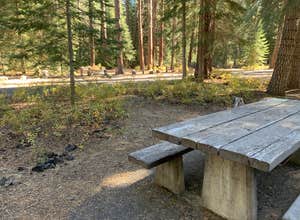
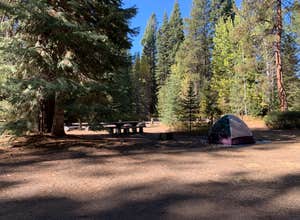
Spacious options: Some sites provide room for children to play safely. At Jackson F. Kimball, "All the spots were very spread out and offered a lot of space. One thing… TONS of mosquitos. Absolutely swarmed. Bring bug spray like crazy."
Accessible water features: Kids enjoy shallow water areas for play. A Jackson F. Kimball visitor shared, "This campsite was great! The waters are FREEZING cold!! The cold hurt my ankles after about 5 min. and I had to get out…and this was in August!!"
Tips from RVers
Level sites for large rigs: Some forest roads offer suitable spaces for bigger vehicles. At NF-70, a full-timer reported, "We are full-timers and have a 36 ft Class A with a Cherokee Trailhawk tow and had scouted the area before arriving with the RV. NF-70 is gravel and in pretty good shape, i.e., no potholes, but is heavily washboarded."
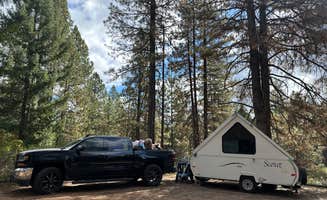
Turning radius considerations: Many primitive sites have limited turnaround space. At Forest Road 960, "Go all the way to the end of the road to reach the top. There is ample room to turn around, in spite of a step climb. Was able to pull 15' trailer up with 4wd."
Solar power viability: Open areas provide better power generation options. A visitor to Forest Road 960 mentioned, "Wide open sky for solar and starlink. Mid 60s f during day in early October. 40 f at night."











 Ranger


