The Columbia River near Cheatham Lock and Dam transitions from forested mountains to arid high desert with average summer temperatures reaching 90°F and winter lows frequently below freezing. The campgrounds sit at elevations ranging from 200-400 feet above sea level, creating wind patterns that campers often note in reviews. Most camping areas remain open from April through October, with some year-round options available during milder weather periods.
What to do
Visit wineries nearby: Several campgrounds provide convenient access to local wineries in the area. A visitor at Peach Beach RV Park recommends "Gunnels fruit and waving tree winery - both within walking distance of campground." The wineries offer tastings and scenic views of the Columbia River gorge.
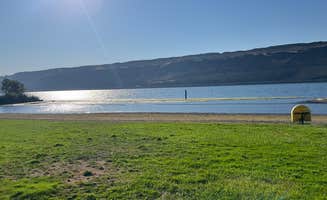
Take advantage of river swimming: The John Day River offers swimming opportunities with slower currents than the main Columbia. At LePage Park Campground, one camper notes "There is a really large beach and roped off swimming area, as well as a boat ramp, dock for fishing, and trails for hiking." The swimming areas are typically maintained between May and September.
Explore historical sites: The area contains several historical attractions within short driving distance from most campgrounds. A visitor at Peach Beach RV Park suggests "other must sees are maryhill museum and stonehenge replica," both unique cultural attractions specific to this region that offer insight into local history.
What campers like
Waterfront locations: Direct river access ranks high among camper priorities. At Avery Rec Area, a reviewer appreciated that "over half the 'sites' are right on the water, while the others are less than 50 feet away." This proximity to water provides cooling effects during hot summer months.
Wildlife viewing: The Columbia River corridor supports diverse bird populations that campers frequently mention. At Deschutes River State Recreation Area, one camper observed "Lots of birds, gooses and goslings and great access to the river for a refreshing swim." Early morning and evening hours typically offer the best wildlife viewing opportunities.
Desert climate advantage: When coastal areas experience rain, this region often remains dry. A camper at Maryhill State Park noted "We went here when another camping trip was rained out in spring. We looked on the map and it was the only dry spot we could find within a few hours of Portland." The rain shadow effect creates this microclimate, making it a reliable alternative during wet western Oregon weather.
What you should know
Train noise impacts sleep: Railroad tracks run along both sides of the Columbia River, affecting most camping areas. A reviewer at Avery Rec Area warned that trains "are seriously loud do not underestimate this. This is not for everyone. It literally is every half hour with the train blaring his horn." Consider bringing earplugs if staying at riverside campgrounds.
Seasonal closure information: Operating seasons vary significantly between campgrounds. For Rufus RV Park, a visitor found "Big sign says closed right now" during the winter months, as it operates April through October. Many public campgrounds have similar seasonal limitations due to staffing and weather conditions.
Wind conditions: The gorge topography creates consistent wind patterns that affect camping comfort. At Cottonwood Canyon State Park, a visitor advised "Be prepared for some wind due to topography." Wind speeds typically increase in afternoon hours and can impact tent stability and comfort.
Tips for camping with families
Swimming areas with safety features: Several campgrounds offer designated swimming areas appropriate for children. At LePage Park, one visitor mentioned "There is a really large beach and roped off swimming area" which provides a controlled environment for younger swimmers with supervision.
Insect considerations: Some locations experience seasonal insect issues. At Deschutes River State Recreation Area, a camper reported "our camp was infested with flies and earwigs which did not provide a good experience." Bringing insect repellent and screened shelters can improve comfort, particularly during June-August.
Educational opportunities: The area offers learning experiences for children beyond typical outdoor recreation. At Sherman County RV Park, a visitor mentioned "Moro also has a must see museum" that provides regional history context. Most historical attractions in the area offer reduced admission for children under 12.
Tips from RVers
Early reservation recommendations: Popular RV campgrounds fill quickly during peak season. A Peach Beach RV Park visitor noted "Arrived late and found an envelope with all my check in details posted in front of the office, including park map with highlighted route to my site." Making reservations at least 2-3 weeks in advance is advised for summer weekends.
Dump station availability: Not all campgrounds provide full hookups or dump stations. At LePage Park Campground, a reviewer appreciated that it includes a "Dump station, potable water fill area" which allows for extended stays without leaving to find facilities elsewhere. This information helps RVers plan appropriate length of stay.
Level site considerations: RV campers emphasize the importance of level sites. A Sherman County RV Park visitor found "the sites are level with full amenities - pull-throughs and easy back-ins" making setup easier. Many campgrounds in the area feature gravel pads that may require additional leveling equipment during longer stays.














 Guide
Guide


