Primitive camping near Cheatham Lock and Dam offers several no-fee options along the Columbia River corridor. The area experiences strong winds throughout the year with summer temperatures often exceeding 90°F while winter brings freezing conditions. Most dispersed sites lack shade protection, requiring campers to bring adequate sun coverings during peak seasons.
What to do
Fishing opportunities: The Columbia River provides excellent fishing access at Rufus Landing where visitors can stay "up to 7 days allowed in a 30 day period for free boondock/dry camping between April 1 and October 31" according to camper Kris O.
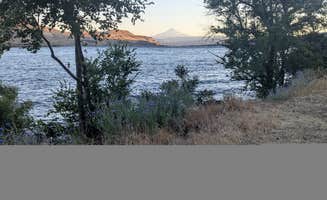
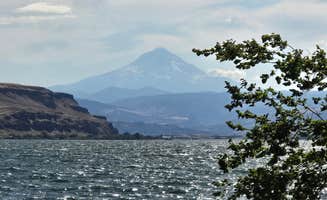
Kayaking with caution: Avery Rec Area offers direct water access, though Steve M. notes it can be "a bit too windy for kayaking unless you're a pro" while appreciating the "Mount Hood in the distance as to the stunning scenery."
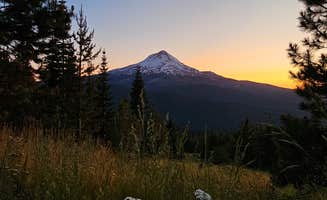
Hiking trails: Forest Rd 2730 provides access to multiple trails with Brendan R. sharing, "We found a large pull off with several established fire pits. It's absolutely perfect for a group campsite." The area offers views of Mt. Hood depending on visibility.
What campers like
Waterfront camping: Three Mile Canyon Park lets visitors camp with river views as Kevin L. reports, "We were able to back in and view the Columbia river from our dinette window."
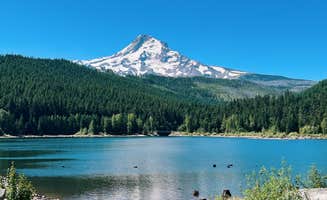
Solitude in forest settings: Campers seeking quieter alternatives appreciate the Mt. Hood National Forest options. Jeremy P. noted about Forest Rd 2730, "There's a handful of dispersed campsites throughout NF44 and various side roads. I had several options to choose from and never saw another person."
Budget-friendly options: Multiple free sites make this area popular for cost-conscious campers. Julia F. says Three Mile Canyon Park "was a great spot to rest and continue road-tripping the next day" with basic facilities that include bathrooms with toilet paper.
What you should know
Train noise levels: Several riverfront sites experience significant train disruption. Tavi C. reports about Avery Rec Area, "You don't just have trains passing, you have them blowing their horn multiple times a night, and they are close enough you can feel their vibration."
Limited facilities: Most primitive sites offer minimal amenities. At Rufus Landing, Kris O. notes "1 pair of toilets available (His/Hers)" with only basic services available.
Road conditions: Some forest sites require capable vehicles. Katie G. warns about White River Crossing: "BEWARE 4x4 required. Access road in is super steep and rocky. Would not recommend coming out anytime other than summer!"
Tips for camping with families
Safety awareness: Julia F. mentions at Three Mile Canyon Park there were "warning signs about rattlesnakes but did not see or hear any, thankfully" - a reminder to educate children about wildlife safety.
Noise considerations: For families with light sleepers, Henri H. notes about Avery Rec Area: "Can't beat a waterfront spot. So far no one else has shown up" - suggesting early arrival increases chances for quieter locations.
Alternative spots: Elk Cove Trailhead provides backup options when established campgrounds fill up. Todd J. describes it as "a beautiful, secluded spot" with "2-3 fire rings to either side of the parking area."
Tips from RVers
Generator etiquette: When boondocking at Rufus Landing, Kris O. shares, "I ran the generator in my class c rv all night without a problem but made sure I was away from other campers. There is a rule that it cannot annoy other people."
Size limitations: Kevin C. found Avery Rec Area "pleasant and uncomplicated and right next to the road so easy-in, easy-out" making it suitable for overnight RV stops despite being "a bit messy as it is used for fishing net storage."
Level parking: Al L. describes Avery Rec Area as having "pull in parking areas. Plenty of space" but notes the basic nature of facilities with "no water. Pit toilets and picnic benches."








 Guide
Guide


