Tent camping near Cochecton, New York centers on primitive experiences along the Upper Delaware River, with much of the camping focused on water access. The region sits at approximately 800 feet above sea level, creating a moderate climate for three-season camping. Water-based access points are common, with many sites requiring boats to reach, particularly those on islands or remote shorelines.
What to do
Paddle to island campsites: Namanock Island requires a 4-mile river journey from Milford Beach to reach its primitive campsites. A camper noted, "The sites are maintained by the NPS and are available on a first come first served basis. Also there is no cost! You are limited to one night on the island though as the expectation is that you will continue down river to other primitive sites."
Hike to waterfalls: Several cascades are accessible from riverfront campsites. From river camps near Kunkelli Rapids, a short crossing and hike leads to Raymondskill Falls. As one visitor described, "If you paddle across the river from the site, it is only a 10-15 minute hike along the road on the Pennsylvania side of the river to reach Raymondskill Falls."
Wildlife viewing: The river corridor hosts numerous bald eagles and water birds. A camper at Namanock Island reported, "Saw tons of bald eagles flying near the site and while paddles birds playing and baby geese with their mommas!"
What campers like
River isolation: Second District Brew Farm and similar sites offer walk-in access with fewer crowds. The separation from roads creates a sense of removal that campers appreciate.
Dark night skies: The absence of light pollution creates excellent stargazing opportunities. A visitor noted about island camping: "Once darkness falls there are no lights to be seen in either direction, up or down river. Now, no lights means an incredible view of the night sky."
Morning wildlife viewing: Dawn hours bring active wildlife along shorelines. At Minisink Campground, boat-in access means early risers often spot deer, foxes, and river otters at water's edge.
What you should know
Limited facilities: Most sites require self-sufficiency. At Alder Lake, "There are two campsites located right outside of the park where you can park your car next to your tent but we opted to hike in. The campsites are very spacious with lots of room between you and other campers, and have a fire pit and some have picnic tables."
Water transportation required: Many prime sites require boat access. One camper warned, "This site is only accessible by canoes or kayaks. There is no public road access to the campsite."
Limited stays enforced: River sites often restrict camping to one night. A visitor explained, "People found camping at this site that are not on a river trip or that are camped at the site for longer than one day can expect to receive hefty fines from the NPS."
Tips for camping with families
Early arrival important: Hankins and similar sites fill quickly on summer weekends. One visitor advised arriving before noon to secure spots.
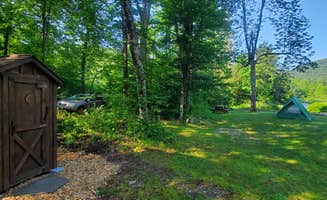
Road accessibility options: For families with small children, sites with vehicle access reduce equipment hauling challenges. A reviewer at Alder Lake noted, "We stayed three nights in late October. Grabbed one of the two vehicle accessible campsites along the road which had some very light traffic."










 Traveler


