Center Sandwich sits at the foothills of the White Mountains at about 650 feet elevation, with summer temperatures typically ranging between 50-80°F. The region experiences cooler nights even during summer months, making campfires both practical and welcomed at most campsites. Most campgrounds in the area remain open from May through mid-October, closing before the heavy New Hampshire snowfall begins.
What to do
Hiking to mountain views: White Lake State Park Campground connects to trails with mountain vistas. "The lake itself is unreal, with the mountains in the background it just feels incredibly peaceful and serene, keeping in mind I mostly visited around dawn and dusk," notes Angela T. The park maintains 2-3 mile trails accessible for most skill levels.
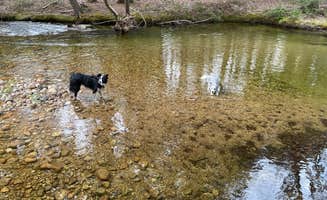
River relaxation: At Waterville Campground, campers access the Mad River directly from the property. "A path leads straight down to the river, which we can hear running from the tents at night," shares Heather B. The river depth varies seasonally, generally running highest in spring and early summer.
Star viewing: Clear mountain nights offer exceptional stargazing opportunities. "On a clear night, you can see a ton of stars encompassing around you—the only light pollution coming from you and your fellow campers fire," writes Molly G. about Hancock Campground. The best viewing occurs after 10pm when most campgrounds begin quiet hours.
What campers like
Clean water access: Jigger Johnson Campground provides swimming holes along the Swift River. "There is even a rope swing that we all enjoyed," notes Rita M. The water remains cold even in summer, typically between 55-65°F depending on recent rainfall.
Spacious tent sites: The camping areas accommodate multiple setup configurations. "The tenting sites are pretty big and they allow up to 4 tents and 2 cars per site," reports Sarah W. about Harbor Hill Camping Area. Most tent sites include fire rings positioned at least 15 feet from designated tent pads.
Natural soundscapes: The forest and water features create calming ambient noise. "The pine needle floor was soft and clean. A path leads straight down to the river, which we can hear running from the tents at night," shares Heather B. about Waterville Campground. These natural sounds help mask occasional road noise at campgrounds near highways.
What you should know
Seasonal insect activity: Prepare for bugs, especially in early summer. "Bring your bug spray, citronella candles and smoky firewood—the bugs here are no joke," warns Angela T. about White Lake State Park. Black fly season typically runs May through mid-June, with mosquitoes present through August.
Site variations: Not all sites offer equal amenities or terrain. "Sites vary dramatically in size, ground levelness etc. Other sites looked like nothing but tree roots," explains Lucas about Campton Campground. Research specific site numbers when making reservations.
Weather preparation: Temperature swings can be significant. "It was late spring, so black flies were our biggest challenge!" warns Jean C. Mountain areas can see 30-40°F temperature drops overnight even in summer, requiring layered clothing.
Tips for camping with families
Campground activities: Branch Brook Campground organizes regular events for children. "Has everything from tents to RVs and beach to pool along with a playground for the younger ones. Activities such as candy bingo and wagon rides," explains Suu F. Most activities run on weekends between 10am-4pm.
Safe cycling areas: Some campgrounds feature bike-friendly internal roads. "The road through the campground is paved and mostly flat, making it ideal for kids to ride their bikes," notes Rita M. Bring helmets as they're required for children under 16 in New Hampshire.
Swimming options: Water features vary significantly by location. "The beach area is very nice and has lots of tables and grills. We were able to hear the loons calling on the lake at night too," shares Amanda about White Lake State Park. Most swimming areas lack lifeguards, so personal flotation devices are recommended for children.
Tips from RVers
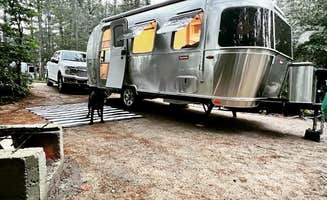
Site leveling challenges: RV sites often require adjustment. "The only level part of the site is away from the deck and water. I had to put them on top of a 2x8 to level the camper out," explains Michael K. about Chocorua KOA. Bring leveling blocks as many sites have slight grades.
Water quality variations: Water access points differ by campground. "The water is very brown/rusty. We didn't feel comfortable drinking it," notes Heather B. about Waterville Campground. RVers should arrive with full freshwater tanks or bring water filters.
Winter accessibility: Year-round options exist but with limitations. "Stayed here for two nights in late December. Water would have earned it five stars," reports Heather B. about Hancock Campground. Winter camping typically means vault toilets and no running water, with temperatures often dropping below 20°F at night.











 Scout
Scout


