Tent campsites near Lake Lotawana, Missouri operate predominantly in the spring through fall seasons, with most sites closing during winter months due to Missouri's unpredictable cold weather patterns. The region experiences significant temperature variations, with summer highs frequently exceeding 90°F and high humidity levels making tent camping more challenging in July and August. The surrounding area features gently rolling terrain with a mix of oak and hickory forests providing partial shade at many campsites.
What to do
Fishing access points: Campers staying at Tent Sites at Milo Farm can take advantage of nearby fishing spots within a 15-minute drive. Several local anglers report catching bass, crappie, and catfish at the public access points on nearby lakes.
Nature photography opportunities: The early morning hours (5:30-7:00 am) provide optimal lighting conditions for wildlife photography in the camping areas. Spring and fall migrations bring numerous bird species through the region, particularly in wetland areas within 5 miles of most campsites.
Local festivals: Windsor hosts several seasonal festivals within walking distance of Farrington City Park camping area. According to visitor Mike G., the park has "a sizable pavilion near the campground" which hosts community events on summer weekends.
What campers like
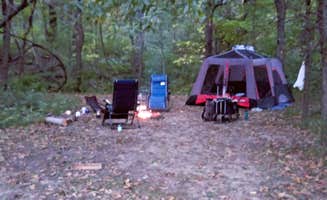
Relative privacy: The walk-in tent sites at Milo Farm provide more separation between campsites than other options in the region. The 22 tent sites are spaced approximately 30-50 feet apart, offering reasonable privacy while still maintaining accessibility.
Basic amenities: Tent campers appreciate the balance of primitive camping with essential facilities. At Rabbit Ridge Primitive Campground, campers have access to electric hookups, showers, and toilets while still enjoying a tent camping experience.
Budget-friendly options: Most tent camping options near Lake Lotawana maintain reasonable rates compared to more developed campgrounds. Sites typically range from $8-15 per night for basic tent sites, with additional fees for premium locations or extra vehicles.
What you should know
Weather preparedness: Missouri experiences rapid weather changes, particularly during spring and fall camping seasons. Summer thunderstorms develop quickly, often between 2-6 pm. Pack rain gear and waterproof tent materials regardless of forecast.
Reservation timing: Marysville campground fills quickly during summer weekends and holiday periods. Reserve sites at least 3-4 weeks in advance for weekend stays from May through September, particularly for groups requiring multiple tent sites.
Insect activity: Mosquito and tick activity increases significantly near dawn and dusk, especially in humid summer months. Local campgrounds report peak insect activity from late May through September, requiring appropriate repellents and regular tick checks.
Water availability: Not all tent camping areas provide reliable drinking water access. Campers should carry 1-2 gallons per person per day, particularly during summer months when temperatures regularly exceed 85°F.
Tips for camping with families
Kid-friendly amenities: Some campsites offer more family-oriented features than others. Rabbit Ridge Primitive Campground provides clean restroom facilities with flush toilets and shower access, making it more suitable for families with younger children.
Safety considerations: Most tent camping areas have limited lighting after dark. Families should bring lanterns and flashlights, particularly when camping with children. Walking paths between facilities can become difficult to navigate after sunset.
Educational opportunities: Multiple camping areas offer junior ranger programs during summer months. Programs typically run Saturday mornings at 9:00 am and include nature identification activities, lasting approximately 60-90 minutes and suitable for children ages 6-12.
Tips from RVers
Tent camping while RVing: Some RV campers report setting up tents alongside their vehicles at certain campgrounds. This practice allows for more sleeping space without requiring a larger RV.
Primitive site access: Many tent-specific camping areas have limited road access or narrow entry points. Vehicles wider than 8 feet may have difficulty navigating to certain tent camping locations, particularly at walk-in sites.
Seasonal considerations: Roads to tent camping areas often become muddy or difficult to navigate after rainfall. Several camping areas restrict vehicle access during particularly wet periods, requiring campers to park in designated lots and walk to tent sites.



 Ranger


