Dispersed camping opportunities near the Mississippi River Headwaters and Sandy Lake area offer campers access to northern Minnesota's diverse forest landscapes. The region sits at approximately 1,300 feet above sea level where the Mississippi begins its 2,350-mile journey to the Gulf of Mexico. Summer temperatures average 70-85°F during the day with cooler nights, while spring and fall bring substantial temperature fluctuations requiring layered clothing.
What to do
Hiking continental divide trails: Savanna Portage State Park features hiking routes that cross the continental divide separating the Great Lakes and Mississippi River watersheds. "The hike to see the continental divide was really cool. We saw a fox and a deer which was cool. Then spent the evening canoeing one of the lakes listening to Loons," reports Branden W. from Savanna Portage State Park Campground.
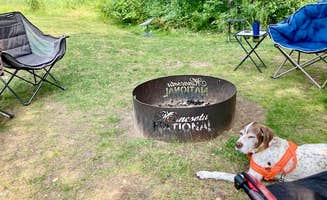
Golf course camping: Minnesota National Golf Course offers combined camping and golfing experiences for travelers seeking both recreation types. "The 27-hole golf course was in good shape and fun to play. McGregor is about 15 minutes away and has grocery, gas, hardware store, and restaurants," notes MickandKarla W. from Minnesota National RV Park.
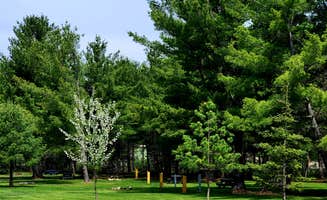
Fall foliage viewing: Autumn transforms the forest landscape with vibrant colors, particularly at Hay Lake. "Most of the trees were yellow, and even in the overcast morning, gave the campground a wonderful warm glow! The campground is a good size, and all the sites seem private," writes Amy G. who visited Hay Lake Campground.
ATV trail access: For off-road enthusiasts, trail networks connect directly to some camping areas. "Paved walking and biking trails and hundreds of miles of ATV trails connected right to the rv park," mentions Elijah R. about Trails Inn Quadna Mountain camping area.
What campers like
Secluded forest sites: Hill River State Forest offers remote dispersed camping options away from crowds. "I seemed to be the only person. Was a good and secluded. I did hear some weird noises throughout the night, but all was well. It is your average dispersed site," reports Samuel C. from Hill River State Forest.
Well-maintained facilities: Campers appreciate the cleanliness and upkeep of facilities at Jay Cooke State Park. "The restroom/shower facility is very new and has my favorite layout where there is one main area with toilets and sinks and separate rooms accessible from the outside for private shower rooms," notes Krista T. from Jay Cooke State Park Campground.
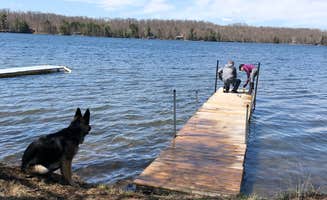
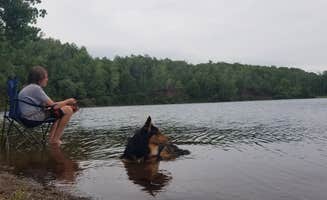
Waterfront access: Direct lake access remains a top feature for many campers. "We were in spot 12 and it was right on the water. The spots are very small and no privacy between the sites but having a water view made up for it and you can park your boat on the dock in front of your spot," shares Melissa A. about her stay at Sandy Lake COE Recreation Area.
Wildlife viewing opportunities: The region offers frequent wildlife sightings. "We saw a bear while hiking the continental divide trail so nature is out there," reports Scott M. about his experience at Savanna Portage State Park.
What you should know
Bug preparation essential: Multiple reviews across campgrounds warn about insect activity. "Base camp for fishing Big Sandy. Stayed here several times in a tent and a trailer. Nice sites but surrounded by swampy areas so mosquitoes are thick," advises Shane D. about Sandy Lake.
Seasonal considerations: Late spring through early fall offers the best camping conditions with fewer insects in shoulder seasons. "Autumn is a spectacular time to visit, lots of color and no bugs," suggests Janet R. about Savanna Portage State Park.
Train noise disruptions: Some campgrounds experience railroad noise. "One of the only things that was obnoxious about this park is that there is a frequently used train track nearby - and the trains really lay on whistle. I slept with earplugs in because of this, but I was still woken up around 4 times that night," reports Krista T. about Jay Cooke State Park.
Self-registration systems: Several campgrounds operate without full-time staff. "Self service with self registration," notes Paul J. about Bergland County Park, indicating campers should bring exact payment and arrive prepared to handle their own check-in process.
Tips for camping with families
Playground availability varies: Verify amenities before booking for families with young children. "We were frustrated as a family with 2 young kids to find that the 'playground' on the map is just a green (actually weed) space with no playground, no volleyball net, literally nothing," warns Amy K. about Savanna Portage State Park Campground.
Pet-friendly options for families with dogs: Most campgrounds in the area welcome pets with standard leash requirements. "Multiple fishing areas, couple of playgrounds, and good history lessons," mentions Brent G. about Big Sandy Lake, noting the family-friendly amenities that accommodate both children and pets.
Screen tents recommended: For comfortable family meals during bug season, bring protection. "The bugs were pretty intense, a lot of mosquitoes, flies, and several wood ticks, so we recommend a screen tent for eating," advises Elissa W. about Savanna Portage State Park.
Backpacking with families: For families seeking more adventure, backpacking sites provide special experiences. "Such a fun backpack site! The hike in was muddy and buggy as there was quite a bit of rain in the weeks prior to our camping trip. Picnic table, fire ring, and bear locker provided," writes Tori K. about Lost Lake Backpack Site at Jay Cooke State Park.
Tips from RVers
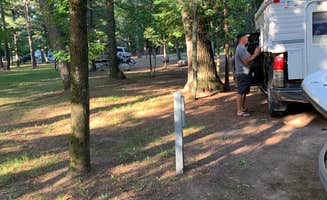
Site length considerations: RV campers should verify site dimensions before booking. "We had no issues backing our 40' Brinkley TH into the site and still had room to put our patio down and park our F-450," shares MickandKarla W. about Trails Inn Quadna Mountain Motel & RV Campground.
Utility location awareness: Some campgrounds have utilities positioned at the far back of sites. "The utilities are in the far back of pad in this CG, so you may need 20+ feet of electric, sewer, or water cord/hose depending on your rig's configuration," notes MickandKarla W. about Minnesota National RV Park.
Water pressure variations: Be prepared for high water pressure at some campgrounds. "The water pressure is very good at 60+ psi, so suggest a reducer," advises MickandKarla W., providing specific technical information important for RV plumbing systems.
Limited size capacity at some locations: Larger RVs face challenges at certain campgrounds. "We stayed in a 21ft travel trailer and it fit in the spot just fine but if you have anything bigger, you might have a hard time getting in and out of the spot," cautions Melissa A. about Sandy Lake COE Recreation Area.











 Traveler


