

P
Pauldave W. Scout
Scout
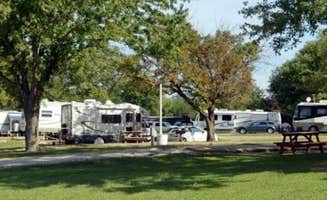
ScoutCave Country RV Campground
Awesome
Clean, friendly, great dog park
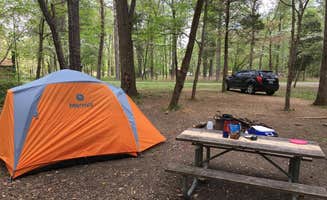
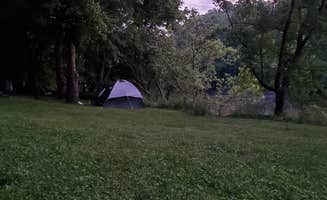
Camping around Mammoth Cave National Park ranges from spots inside the park to nearby state parks with different setups, covering everything from backcountry campsites to RV-friendly campgrounds with full facilities. The Mammoth Cave Campground puts you close to cave tours and trails, with good bathrooms and even special parking if you camp with horses. Maple Springs Campground sits in a quieter part of the park near backcountry trails, where you'll find drinking water and flush toilets while being surrounded by woods. Weather plays a big role in when to visit - spring and fall have the best temperatures, summer gets hot and sticky, and some areas close during winter. During dry spells, fire rules might change, so it's worth checking before you go. You should book ahead, particularly in busy seasons, since these places fill up fast. If you want to be near water, Nolin Lake State Park Campground isn't far away and has fishing and boating access plus showers and a dump station. Local mountain bikers have built trails in the area too, giving you more to do outside the caves. The campgrounds work well for all kinds of trips, from family outings to solo trips. Just remember to pack out what you pack in to keep the park looking good.
Compare 2 top campgrounds at a time to find your favorite!


Round 1 of 5
$25 - $50 / night
"We were very impressed when we stopped on our road trip to visit Mammoth Caves National Park! They even had a nice area for our dog to stay while we were caving!"
"I went to ****Mammoth Cave National Park the first time as a child with my family in the 70’s. I took my children to Mammoth in the 90’s."
$25 - $40 / night
"We loved that hiking in Mammoth Cave National park was only 15 min away!"
"Near Brownsville, Ky and a little off the beaten path. But definitely worth a visit or two."
"We went over a long weekend in October, with the point of the trip being to visit Mammoth Cave National Park. The campground had activities for the kids all day Friday and Sunday. "
"Close proximity to Mammoth Cave. Don’t miss the Amish bakery/cafe nearby!"
"This campground is located near the entrance of Mammoth Cave National Park. It is a great place for a day or two of relaxation before getting back on the highway."
"The campground is cute and less than 15 mins to the Mammoth Cave National Park visitor Center. Nothing fancy, older bathhouse, small pond and large field for kids to explore. Some spots are snug."
$18 - $50 / night
"Ours had lake access and we only booked it a couple days in advance. Launched our kayaks from our site. Decent bicycling in the area."
"Good campground, especially as a staging ground for Mammoth Cave National Park. Lots of people being their boats to camp and launch from the campground if that’s your thing."
"Diamond Caverns RV Resort was an enjoyable stay on the edge of Mammoth Cave National Park. Right off of I65 it's a short drive to the campground."
"This park is located on the entrance road to Mammoth Caves NP, and it is a spectacular way to stay and enjoy the hiking in the caves!"
"This RV resort is located conveniently 15-20 minutes from Mammoth Cave National Park. Also there are a lot of places to eat nearby. The staff/owners are all very friendly."
"The Mammoth Cave National Park is 10 miles with many other attractions nearby. We stayed for a week and loved it."
$50 / night
"Like most, we were here to visit Mammoth Cave National Park. We stayed on the Maple Springs side of the Green River to be closer to the mountain bike trails and are glad we did."
"I visited the Maple Springs Campground in Mammoth Cave National Park for a total of 3 days/2 nights. I chose this site because it was pet friendly."
$18 - $50 / night
"Dog Creek Campground is located on Nolin River Lake in the Kentucky countryside."
"Seems all sites have a lake view. Less than half full sun-Tuesday. Stayed at a006. Very close to beach, but that means you hear everything at the beach. Very humid and virtually no shade at our site."
$18 - $50 / night
"We chose this campground due to the convenient location near Mammoth Cave National Park."
"Wax Campground is located on Nolin River Lake, which is managed by the Army Corp of Engineers. Translated; well maintained, picturesque and organized."





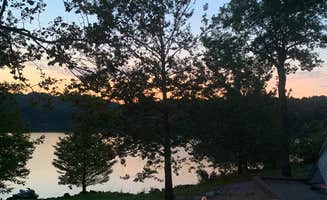

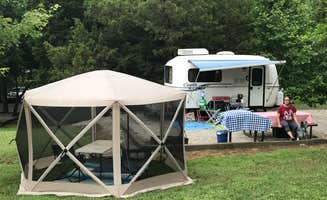

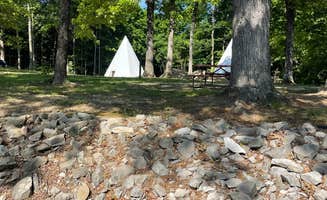

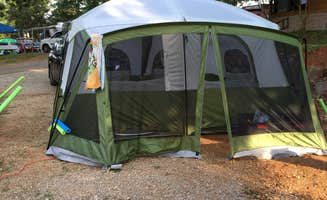 Scout
ScoutClean, friendly, great dog park

 Ranger
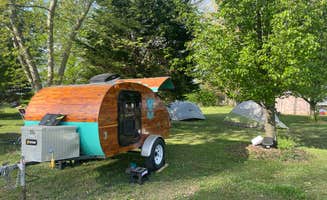
The sites are smaller than the photos show. Some are very uneven. Yes you can walk to the visitors center, depending where you are camped its almost a mile one way. (For those who have difficulty walking) The showers are not wheelchair accessible. Coin showers, but definitely hot. I had NO Verizon service at campsite.

 Guide
GuideIf you want to be near the cave entrances and popular trails this is a great spot. Stayed in loop A and the bathroom was super clean. Can get noisy due to the road right next to the campsite.
 Scout
ScoutMatthew allowed us into our site early and offered assistance to help with wheel chocks after escorting us to the site. Very communicative. Got a text on mowing day to give anyone time to move their items off the grass. Will definitely stay again when in the area.

 Traveler
Prioritize money over safety of guests, period. Focus on seasonal money over long-term gas period management has literally said, we don't like these people, we realize you don't like these people, but we need their money, so get along with them. This is what they tell their permanent people to deal with during the summer when there are drunks. Literally had golf carts with unsupervised kids going past the house, over 300 notifications. Normal traffic is about 100, just on the weekend. Drunks on boats. Management is two-faced. They are so focused on making it a bougie place since they took over four and a half, five years ago, that they no longer care about making sure that they have a community that cares about each other. They have three communities. They have permanent communities who care about the park and get together and look out for each other. Then they have seasonal people who are drunk, don't care, don't follow the rules. And then they have work groups who they prioritize over residents and people who have picked up, cleaned the park, cared about the park, and don't want to see toddlers get run over by kids on golf carts like last summer. Every summer, it is nuts. There's no quiet anytime anymore, even in the dead of winter. This place is nuts. Overpriced. If you get anything in permission, like I did, get it in writing or management will use it to throw you out. I had permission for what I was doing. I'd done it for three years, and they prioritized a group of project workers that will be gone in a few months over a long-term resident who is disabled, not available to meet, not arguing with a neighbor who's a child, and lied three times in the middle of our own private conversation and ran to management with lies.
 Guide
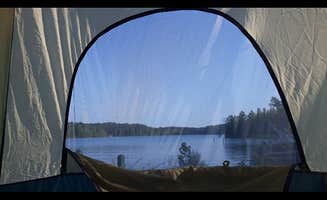
GuideVery beautiful and peaceful. The lake water is on point. All clean and well maintained
GuideGet a lake view side and you won’t regret it. It’s a beautiful place well maintained very clean very safe
 Scout
ScoutEverything is so clean and beautiful here. Tons to do and enjoy. Facilities are well kept!
GuideA beautiful well maintained state park. Would have got 5 stars but no electricity at sites due to flooding and the warnings online made it sound like it was just a few sites affected but we had a generator so it all worked out definitely worth a visit
Mammoth Cave National Park campsites dot the landscape in south-central Kentucky where the Green River cuts through limestone terrain, creating the world's longest known cave system spanning over 400 miles. At elevations ranging from 460-800 feet, the camping areas experience wide temperature swings between day and night, even in summer months. Most campgrounds in the area maintain operation from April through October, with limited winter camping options.
Cave tours beyond Mammoth: While the national park offers excellent cave tours, consider exploring Diamond Caverns RV Resort and Golf, located just minutes from the park entrance. "There are many local attractions within 20 minutes and several other cave systems to see here as well," notes Laura H.
Paddling on Nolin Lake: The clear waters at Nolin Lake State Park Campground offer excellent kayaking and swimming opportunities. "The lake is perfect for swimming, boating, or kayaking," explains Ellen L. The water remains warm enough for comfortable swimming through September.
Fishing opportunities: Multiple campgrounds offer bank fishing access for anglers. "Singing Hills has a stock pond for kids to fish with bamboo poles that the park provides (catch & release only)," explains a reviewer. The stocked ponds are particularly good for younger anglers looking to catch smaller fish.
Wildlife encounters: Many visitors appreciate the abundant wildlife at Mammoth Cave Campground. "Very clean & quiet! The wildlife are very friendly!" shares Gloria J. "Deer & turkey walk thru ur campsite!" The animals are most active at dawn and dusk.
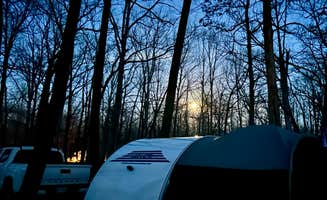
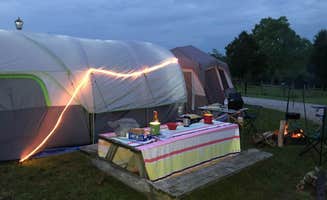
Evening ambiance: Campers frequently mention the natural nighttime atmosphere. "Fireflies are great at night. Frogs are singing in the evening. Tons of trees and shade," writes Veronica S. The limited light pollution also makes for excellent stargazing opportunities during clear nights.
Well-maintained facilities: The Army Corps of Engineers campgrounds receive consistent praise for upkeep. At Wax Campground, a visitor notes, "Shower houses were newer and spotless with good water pressure and even hot water." Many campgrounds in the area have been renovated in the past decade.
Limited cell service: Connectivity varies widely throughout the area. At Dog Creek Campground, one camper mentioned "No signal at all on my phone or my husband phone but it was okay." Signal strength is typically better at campgrounds closer to Interstate 65.
Train noise: Some campgrounds near Cave City experience train disruptions. "Do not camp close to the railroad tracks. Loud horns in the middle of the night," warns Thomas R. about Cave Country RV Campground. Sites farther from the tracks offer a quieter experience.
Ticks present: Be prepared for insects, particularly in spring and early summer. One visitor to Maple Springs Campground warned, "The park is infested with seed ticks and deer ticks. I was pulling ticks off of every inch of me even though I was coated in several layers of hardcore bug spray."
Water activities: Yogi Bear's Jellystone Park offers extensive water-based recreation for children. "Karst beach is so nice with the wibit (extra cost but worth it). The pools are OK in my opinion," mentions Beth H. The water amenities typically operate from Memorial Day through Labor Day.
Nature programs: Several campgrounds offer ranger-led educational activities. "There are trails that leave the campground," notes a visitor to Mammoth Cave Campground. These often include junior ranger programs designed specifically for children ages 5-12.
Playground options: Many area campgrounds feature play equipment for different age groups. "The play ground is huge. There is mini golf, volleyball, and basketball," explains one visitor to Diamond Caverns RV Resort. These amenities provide alternatives when cave tours are booked.
Site leveling challenges: Be prepared to make adjustments at many area campgrounds. At Cave Country RV Campground, one camper noted, "Even on the concrete pad, we had to level side to side." Bringing extra leveling blocks is recommended, especially for larger rigs.
Electric load management: Some campgrounds have limited electrical capacity during peak summer months. "The electricity at the campground doesn't appear to be able to handle the amount of load that most campers will pull in the summer months," warns Jason F. Running air conditioners and other high-draw appliances simultaneously may trip breakers.
Water connection sharing: At certain campgrounds, hookups service multiple sites. "Water spigots are also shared, which means you'll have low water pressure if you're both using water simultaneously," notes a visitor to Singing Hills RV Park. Consider filling your freshwater tank rather than relying on direct connection during busy periods.
Frequently Asked Questions
What are the best campgrounds in Mammoth Cave National Park?
The best campground within Mammoth Cave National Park is Mammoth Cave Campground — Mammoth Cave National Park, which offers a convenient location for cave exploration. Campers appreciate its cleanliness and the pet-friendly amenities, including designated areas for dogs while visitors tour the caves. For those seeking options just outside the park, Houchin Ferry Campground — Mammoth Cave National Park provides a more secluded experience. Both campgrounds serve as excellent bases for exploring the extensive cave systems and surrounding hiking trails, with Mammoth Cave Campground offering more amenities while Houchin Ferry provides a more rustic experience.
Is backcountry camping allowed in Mammoth Cave National Park?
Yes, backcountry camping is allowed in Mammoth Cave National Park. Backcountry campers must obtain a free permit from the Visitor Center before setting out. The park offers several designated backcountry sites along established trails, particularly in the park's northern section. These sites are primitive with no facilities, so campers must practice Leave No Trace principles, including proper food storage and waste disposal. Water must be treated, and campfires are generally prohibited in backcountry areas. Backcountry camping provides a more immersive experience in the park's 70+ miles of trails through diverse forest ecosystems, away from the more developed front-country camping areas.
Are there free or dispersed camping options near Mammoth Cave?
While Mammoth Cave National Park itself doesn't offer free dispersed camping, there are affordable options nearby. Cave Creek - Rough River Lake is about an hour from the park and offers economical camping with amenities like generous firewood bundles for just $5. For those seeking budget-friendly alternatives, Wax - Nolin River Lake provides waterfront sites at reasonable rates and is conveniently located near the national park. Both options are significantly more affordable than private campgrounds while still offering beautiful natural settings and basic amenities.
What RV camping facilities are available at Mammoth Cave National Park?
For RV camping near Mammoth Cave, Cave Country RV Campground offers full hookups just 10-15 minutes from the park entrance. This well-maintained facility features amenities including a swimming pool, picnic tables, fire rings, and a dog park. Another excellent option is Singing Hills RV Park And Campground, located less than 15 minutes from the visitor center. It offers full hookups, a fishing pond, and spacious sites in a quiet, relaxing setting. Both campgrounds provide convenient bases for exploring Mammoth Cave while enjoying the comforts of dedicated RV facilities that aren't available within the national park itself.
Keep Exploring