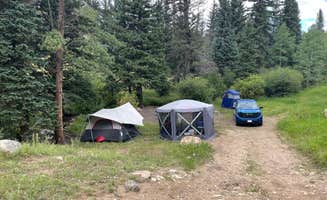
Camping in Arapaho and Roosevelt National Forests ranges from 5,000 to 11,000 feet elevation, creating varied camping conditions across seasons. Summer temperatures typically range from 50°F at night to 80°F during day at lower elevations, with higher elevations experiencing cooler conditions. Many dispersed sites remain accessible through mid-October before winter snowfall makes forest roads impassable.
What to do
Fishing access at Dowdy Lake: The scenic lake at 8,000 feet elevation offers excellent trout fishing opportunities with convenient lake access. As one visitor noted, "The lake is really scenic and the trout fishing was decent, I saw a lot of people catching at least one or two fish" at Dowdy Lake Campground.
Hiking to Mount McConnel: This moderate trail begins directly from Mountain Park Campground and provides spectacular ridge-line views. A hiker mentioned, "A nice hike leads to the summit of Mount McConnel right from the CG. A restaurant and supplies can be found at Glen Echo, 8.5 miles west, up the canyon."
Wildlife viewing opportunities: Early mornings and evenings provide the best opportunities for wildlife sightings. At Moraine Park, "Deer wander in the morning" while "We got to see some beautiful Elk very close by, which was definitely a highlight." Several campgrounds throughout the forests feature prime wildlife viewing areas.
What campers like
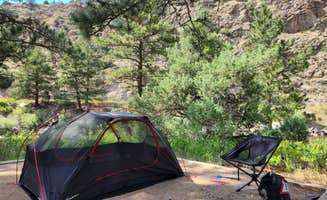
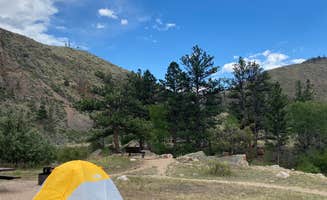
Riverside camping experiences: The sound of rushing water creates a natural sound barrier from nearby roads. At Dutch George Campground, "Beautiful campground on the river. Most sites have shade. The hosts are very nice" and "We lucked into an awesome spot over the 4th of July, arriving Thursday afternoon - Sunday."
Clean facilities despite high usage: Campground hosts maintain facilities throughout the day. At Kelly Flats Campground, "I saw the hosts out checking and cleaning sites and bathrooms multiple times a day. I will definitely be returning to this campground in future visits to the area." Another visitor added, "This campground is right along the Poudre river and has beautiful campsites."
Natural sound barriers: Forest rivers create peaceful camping despite roadside locations. An Ansel Watrous visitor shared, "Close to the highway but river drowns out the traffic" while another mentioned, "We loved this little campground! It is the perfect getaway from Fort Collins being easy to find and not too far."
What you should know
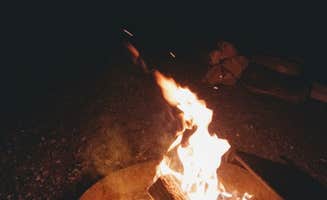
Fire restrictions vary by season: During dry periods, campfires may be limited or prohibited entirely. Check current fire restrictions before arrival, especially July-September when fire danger increases. Some campgrounds provide metal fire rings with cooking grates.
Limited or no cell service: Most forest campgrounds have minimal connectivity. At Aspenglen Campground, "Cell service is non-existent, but you can go a mile to the park entrance for service." Plan communications accordingly and download maps before arrival.
Bear safety requirements: Proper food storage is mandatory and enforced. "The rangers are very serious about their use. We saw other campers who left food unattended get a ticket. (As they should)." Most campgrounds provide bear-resistant food storage boxes.
Seasonal water availability: Water systems typically operate May through September, but availability depends on frost conditions. Bring water if arriving early or late in season as systems may be winterized.
Tips for camping with families
Playgrounds and activities: Several campgrounds feature family amenities. Mountain Park has "lots of fun activities like a sand volleyball court, basketball court, and a playground" which provides entertainment for children between hiking adventures.
Lake access for children: East Portal Campground provides easy water access and wildlife viewing. "We went here with our 2 little girls ages 4 and 1. The views were stunning and everything was super clean... Great trails right there at the campground!"
Educational opportunities: Ranger programs run throughout summer at many campgrounds. "Nightly talks/shows at the amphitheater" provide learning experiences for children and adults alike. The park rangers often distribute educational materials during their rounds.
Best family-friendly sites: Reserve specific sites near bathrooms but away from busy roads. One visitor recommended, "We chose site 154 in loop D, and it was perfect! The site was in the very back of the campground, had a large distance between the two neighboring sites, and faced the mountains."
Tips from RVers
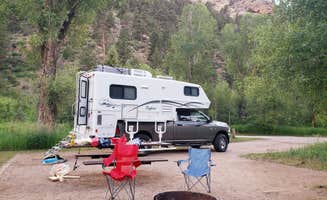
Electric hookup locations: For RVers needing power, specific loops offer electric sites. "Sites 1 to 32 are reservable and have electric. Sites 33 to 54 are 1st come, no hookups and some are right on the river."
Length restrictions: Many campground loops limit RV length to 35 feet or less, particularly at higher elevations and in national park campgrounds. Larger rigs should focus on lower-elevation campgrounds with larger sites.
Dump station availability: Only select campgrounds offer dump stations. "My husband said the dump site was not positioned perfectly for our camper but we were so happy they had one." Plan accordingly or use facilities in nearby towns.
Elevation considerations: Higher elevation campgrounds require additional preparation. At 8,000+ feet, generators work less efficiently, and temperature drops can be significant overnight even in summer. Bring additional layers and be prepared for significant temperature swings.










 Guide
Guide


