Tent campsites near Sequoia & Kings Canyon National Parks range from 5,000 to 11,400 feet in elevation, spanning diverse ecosystems from oak woodlands to alpine terrain. Summer temperatures typically reach 75-85°F in lower elevations while dropping to 40-50°F at night in higher areas. Most campgrounds remain snow-covered until late June at elevations above 9,000 feet.
What to do
Fishing at alpine lakes: Guitar Lake at 11,460 feet elevation provides excellent fishing opportunities during summer months. "Plenty of fish swam along the stream that connects to the lake. The water was COLD, but else would you expect for a lake that high up," notes a Guitar Lake Backcountry camper.
Hike to secluded lakes: The Jennie Lakes Wilderness area between Kings Canyon and Sequoia National Park offers multiple camping options along connecting trails. "You will start at either Rowell Meadow or Big Meadow trailheads. Along the trail you can camp at Weaver Lake, Jennie Lake, Jo Pass, or Rowell Meadow," shares a backpacker.
Explore ancient sequoia stumps: Visit the remnants of old logging operations at Atwell Mill Campground. "You'll be camping in an old Sequoia Grove that was milled. There are still a couple sequoias nearby that you can hike right up to, but even cooler are the giant stumps left over that you can right next to," says a camper.
What campers like
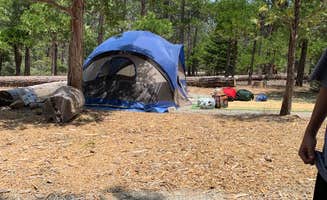
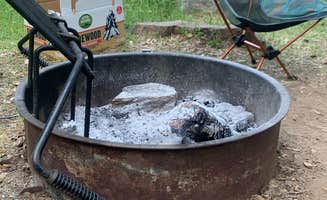
Privacy between sites: Camping at Buckeye Flat Campground offers tent-only sites with natural spacing. "Pretty nice sites though, a lot of space... The sites have picnic tables and fire rings. Each site also has storage lockers for your food," mentions one visitor. Another adds, "It was a little crowded, but the sites maintained a feeling of privacy."
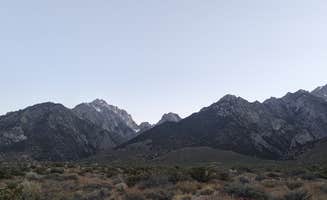
Stargazing opportunities: Dispersed camping areas provide excellent night sky viewing without light pollution. "Gorgeous night sky for stargazing!" reports a camper at Symmes Creek, a free camping area with road access.
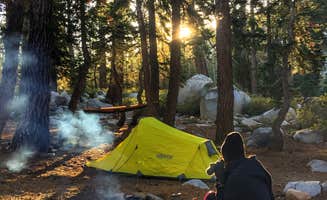
Natural boulder formations: Weaver Lake's backcountry sites incorporate existing landscape features for better camping experiences. "The lake is devastatingly beautiful and makes a great backdrop, and the boulders scattered throughout create natural privacy barriers," notes a backpacker.
What you should know
Challenging access roads: Many campgrounds require navigating narrow, winding mountain roads. "Cold Springs Campground is worth the drive(you'll know what I mean)... While driving, you'll lose service after you turn off Mineral King then you have 23 miles of slow roads, took me a little over an hour," explains one visitor. Another adds, "The crazy drive up isn't worth it! It's a long and windy dirt road, with steep drop offs."
Bare necessities only: Most backcountry sites provide minimal or no facilities. "There are no trees in the area as this is above tree line... There are marmots, chipmunks, and mice that inhabit this area so make sure all your food is stored per regulation in an approved bear canister," warns a Guitar Lake camper.
Seasonal availability: Many tent campgrounds operate on limited schedules due to snow. Cold Springs Campground is "Usually open late May through October. Closed in winter due to snow," according to a regular visitor.
Tips for camping with families
Group camping options: Canyon View Group Sites provides dedicated spaces for larger gatherings. "The group campsites are fairly spacious and easily fit 15 of us, they are rated to hold 20 people but that might be a bit of a squeeze. All the campsites provide 3 picnic benches, 3 bear boxes, and only one fire pit with grill grate," notes a family camper.
Kid-friendly campgrounds: Some areas are particularly well-suited for children. Cold Springs campground is "Remote, but not too remote and great for kids," according to a camper who's been visiting for 20 years.
Accessibility considerations: When planning with families, consider distance to attractions. One Canyon View camper cautions, "This campsite was also really, really far away from most of the stuff we wanted to do... Kings Canyon and Sequoia National Park were nice but everything you want to do is at least an hour drive each way on windy roads."
Tips from RVers
Dispersed camping options: RVs can find free camping on nearby National Forest land. "We towed a 30ft travel trailer with no issue. The dirt road dead ends at a large spot with easy turn around. There are off shoots of the main road to other camp spots... No facilities, so make sure you have enough water and power to get you through," advises an Symmes Creek RVer.
Leveling challenges: Some campgrounds have uneven terrain that makes roof-top tent camping difficult. "It would have been a good site for a tent but we are traveling with a roof tent. Our site was a bit uneven with no way to level it," reports a Buckeye Flat camper.
Limited services: RVers should prepare for self-contained camping with limited external resources. Most campgrounds have no hookups, and the nearest supplies at Silver City Resort may be expensive: "Silver City, a small cabin resort that offers a hot meal, some supplies, and paid showers," notes a Cold Springs camper.










 Scout
Scout


