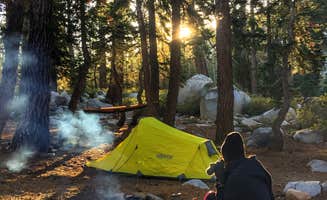
Dispersed camping near Sequoia National Forest offers varied terrain options from 4,000-7,000 feet elevation. Most sites sit along creeks in pine forest settings, with temperatures dropping significantly at night even in summer months. Permits are required for campfires in dispersed areas, with regulations strictly enforced during dry seasons.
What to do
Fishing the Kern River: Limestone Campground provides direct access to prime fishing spots along the Kern River. Sites are positioned above the water in a narrow canyon, with short hiking paths leading to calmer pools. According to one visitor at Limestone Campground, "We were there in 2023 when the river was high due to a record snowpack. There was a relatively calm pool near our site and some small beach areas to enjoy the (cold!) water."
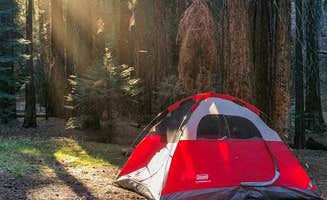
Sequoia viewing: The Trail of 100 Giants is accessible from several dispersed camping areas in Sequoia National Forest. At just over 7,000 feet elevation, these sites offer a cooler escape from summer heat. One camper at Dispersed Camp near Sequoia National Park notes, "About a mile or two from the Trail of 100 Giants Sequoia trailhead so that was really nice beating the crowds there in the AM. Brisk at night even in the summer."
Swimming holes: Many creek-side camping areas feature natural swimming spots. Belknap Campground sits between a creek and river, providing multiple water access points. A reviewer mentions, "Spent a very enjoyable 3 days at Belknap. Our site was between a creek and the river so we listened to water the whole time. So relaxing! Nice trails to explore. Husband caught a nice trout. There's a decent swimming hole."
What campers like
Natural soundscapes: The rushing water from creeks and rivers creates a natural white noise backdrop at many tent sites. One camper at Lower Peppermint Campground shared, "There is a creek right behind your camp and it's so nice hearing it at night. You get to see lots of wildlife; owls, squirrels, foxes, coyotes, bears and lots of footprints of small game."
Star viewing: Minimal light pollution creates exceptional night sky viewing conditions throughout the forest. A visitor at Limestone Campground commented, "nice n quite after 10pm lots of stars and morning airshow if you're lucky."
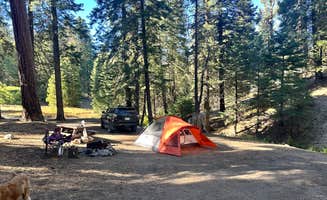
Secluded sites: Many dispersed camping areas offer significant distance between sites. A camper at Dispersed Camp noted, "I was surprised how vacant this location was. It was absolutely gorgeous and the stars were unreal! There seemed to be a lot of campsites very far from each other. We only saw one other person."
What you should know
Road conditions: Many dispersed camping areas require high-clearance vehicles, with some roads becoming impassable after rain. Access to Moses Gulch - State Forest can be particularly challenging, with one visitor reporting, "I never made it to review the campground but know that the road is slow going and full of potholes. I turned around after three miles because my old truck was shaking apart."
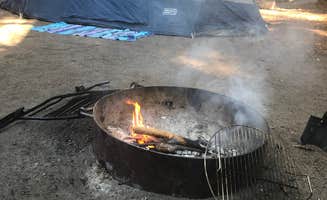
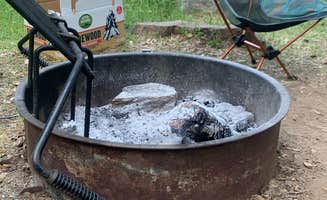
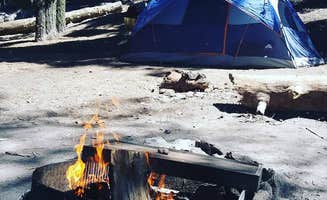
Fire permits: Fire restrictions vary by season and location, with most areas requiring permits for any cooking or campfire. Some locations prohibit fires entirely during dry periods.
Limited facilities: Most dispersed sites lack basic amenities like toilets and water sources. A visitor to Limestone Campground noted, "No water or electricity anywhere in the campground. No cell service, but there is Wifi at the market 3 miles away."
Tips for camping with families
Established campgrounds for amenities: Families with younger children may prefer established sites with bathroom facilities and designated swimming areas. At Belknap Campground, a camper mentions, "Vault toilets, but the cleanest vault toilets I've used in CA. River runs through the camp and there's a little swimming hole."
Wildlife viewing opportunities: Many campgrounds offer excellent wildlife observation chances for children. One visitor to Tulare County Balch Park Campground recalled, "Grew up camping here growing up stores in the evenings a bear getting in the dumpsters time to time late at night, chilly early mornings catching trout and cooking them by lunch. Plenty of beginner trails."
Temperature planning: Higher elevation sites experience significant temperature drops at night. Pack warm clothing even for summer camping trips, as temperatures can drop below 40°F at sites above 6,000 feet.
Tips from RVers
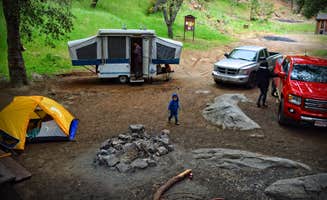
Site access limitations: Most primitive sites cannot accommodate larger RVs. Camping area No. 3 provides better options for smaller trailers, with one visitor at Camping area No. 3 stating, "Access was easy with a 4x4, but may be a little tough for a 2WD car. Plenty of space for a small trailer to maneuver. Highly recommend. Perfect for an off-road trailer or overland setup."
Boondocking preparation: No hookups are available at dispersed sites, so come prepared with sufficient water and waste management solutions. Most sites are at least 30 minutes from services or cell reception.
Turn radius concerns: Forest roads often have tight turns with trees or obstacles limiting maneuverability. Some camping areas have natural barriers that restrict larger vehicle access, as noted at Dispersed Camp: "In order to get to the camp spots you have to squeeze your vehicle through two trees because a large fallen tree has blocked the original entrance path."













 Traveler


