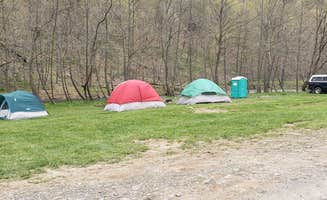
Tent campsites near Glady, West Virginia sit within the vast 919,000-acre Monongahela National Forest at elevations ranging from 2,600 to 4,800 feet. The region receives significant annual precipitation, with summer temperatures typically ranging from 45°F to 75°F. Many primitive camping areas follow creek beds and offer natural swimming opportunities during warmer months.
What to do
Hiking to panoramic views: Nearby Bickle Knob fire tower offers exceptional vistas across the Monongahela National Forest. According to one visitor, "Just a few miles up the mountain you can go to Bickles Knob firetower and get one of the best views in the state."
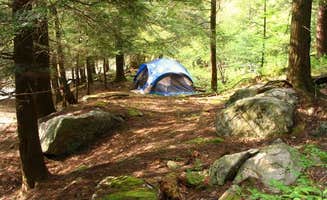
Climbing unique rock formations: The unique boulder formations near Bear Heaven Campground provide climbing opportunities for all skill levels. A camper recalls, "Right beside the camp ground is a really cool area to explore unique boulders and rock structures. You can either walk through or climb these boulders."
Creek exploration and swimming: The Little River area features natural pools ideal for cooling off. "When you park and walk down to the river, if you turn right, there's a beach area about 50 yards down that offers a great spot to take a dip!" notes one visitor.
What campers like
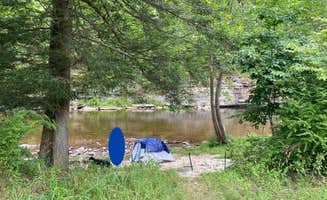
Secluded stream-side locations: Swallow Rock Campground offers quiet sites along Gandy Creek. A camper shares: "There are a good number of dispersed camping sites along the forest service road that follows Gandy Creek up to Seneca Creek Trail, sites are right on the river with easy access, fly fishing for trout in Gandy was decent."
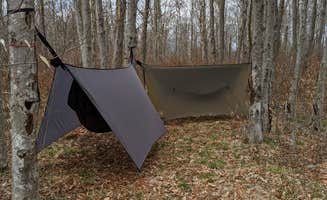
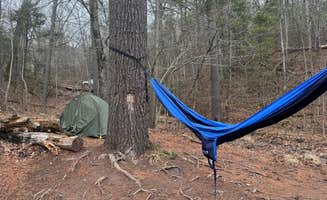
Natural forest architecture: Many camping areas feature mature forests with ample trees for shade and hanging hammocks. One visitor described their site as having "soft dirt padded the entire area, and great trees filled the space with their natural architecture and canopy."
Spring wildflower displays: Camping in spring rewards visitors with colorful blooms throughout the forest. One camper recommends, "Visit in spring with mountain laurel, rhododendrons, etc. are blooming in the nearby lands, it's like nothing else!"
What you should know
Road conditions and access challenges: Many dispersed sites require driving on rough forest roads. A visitor to Eagle Rock Campground warned: "This campground is situated just off the road through beautiful Smoke Hole Canyon (a sharp turn if you're northbound)." Another camper advised: "Once you turn onto Switzer Lake Rd from U.S. 33 and find the parking area to the lake on your left, be prepared to drive another 2ish miles on a single lane and very bumpy dirt road."
Wildlife precautions required: Bear activity has been reported at multiple camping areas. One camper at Little River shared a serious warning: "We were charged by an extremely aggressive black bear, fortunately with plenty of noise and shouting and slowly backing away we avoided further conflict! We decided to keep ALL FOOD in the car's trunk those nights."
Water sourcing challenges: Most forest camping options lack drinking water. At primitive campsites near Glady, visitors recommend: "No drinking water or showers, requiring campers to bring their own water or treatment methods for nearby streams."
Tips for camping with families
Spacious group accommodations: Gatewood Group campsite offers ample space for family gatherings. A reviewer notes: "This is a great spot for a large group. Very spacious with two vault toilets. We were able to find quite a few nice hammock spots in the trees if that's your preferred camping method."
Kid-friendly exploration: Boulder areas provide natural playgrounds for children. One camper reminisced: "I camped here 20+ years ago when I (a city girl) had just started camping and I still think about how awesome this place was. We had fun exploring around the campground climbing the boulders."
Advance preparation for necessities: Families should bring all supplies as amenities are limited. A camper advises: "If you travel back to U.S. 33 and drive 9.1 miles West you will find the Brandywine General Store on your left. They have kiln dried firewood, ice, bait, and supplies you may have forgot at home."
Tips from RVers
Size limitations for forest roads: The narrow, rough forest roads limit RV access to many camping areas. One camper noted about Little River sites: "About 7+ miles in from the town of Durbin on a dirt road (not sure how that would go in an RV but easy in a small vehicle)."
Small trailer options: Some sites can accommodate small trailers or teardrop campers. A visitor to Seven Mile Campground observed: "I imagine a small teardrop camper or popup could be patiently maneuvered onto this site (that's a tent camper speaking...larger campers may fit just fine, but you better feel comfortable backing long distances)."
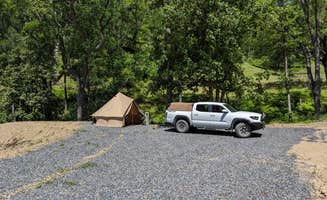
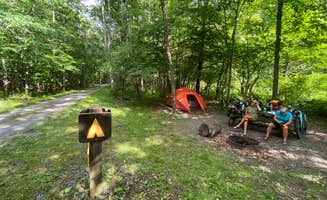
Finding suitable pull-throughs: Several campgrounds offer limited pull-through sites. "Site 9, which had a nice gravel pull through. A large raised tent pad is between the site driveway and the campground road," notes one Seven Mile Campground visitor.












 Legend


