Camping at Bluestone Lake sits between 1,400-1,800 feet elevation in southern West Virginia, with significant temperature variations between seasons. Summer highs typically reach the mid-80s while winter nights often drop below freezing. The lake's 2,040 acres of water surface offers camping options ranging from developed sites with full hookups to more primitive options along the shorelines and in surrounding state parks.
What to do
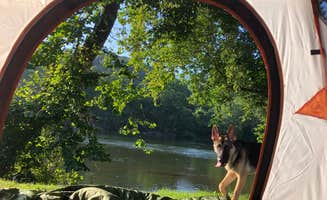
Fish multiple access points: Bluestone Lake features numerous species including bass, crappie, catfish, and muskie with bank fishing available directly from some campsites. "We had site 14, which was the furthest away from the bath house, but it was on the water & was the most secluded. It was freshly mowed, had a fire ring, picnic table, & was right on the water with nice views of the lake & mountains," notes a camper at Meador Campground.
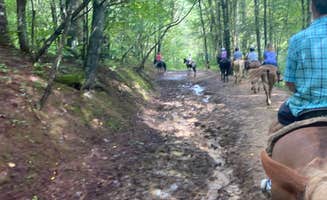
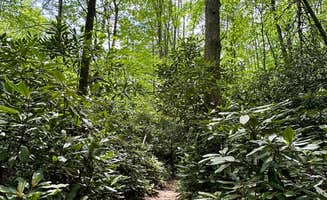
Hike wooded trails: Beyond the main paths mentioned previously, visitors can access additional trail systems at Little Beaver State Park Campground. "There is a very nice trailhead right nearby. Lots of trails. A horse barn," shares one visitor. The trails often connect camping areas and vary from gentle walks to more challenging terrain.
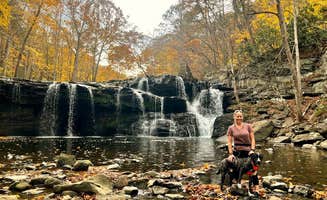
Explore local waterfalls: Several campgrounds provide access to cascades within short driving distance. "We spent time in the park and saw many of the local waterfalls (Pipestem Falls, Sandstone Falls, Brush Creek Falls, Mash Fork Falls, Campbell Falls). The night sky was amazingly clear and stars were bright," reports a visitor to the area.
What campers like
Spacious wooded sites: Many campers appreciate the natural separation between camping spots. "The sites seem small, but the perimeter sites face the woods," notes a visitor to Pipestem Resort State Park Campground. For those seeking more privacy, request sites along campground perimeters where trees provide natural buffers.
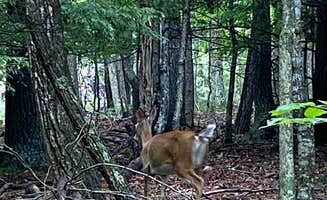
Wildlife viewing opportunities: Beyond skunks, campers frequently encounter deer and various bird species. "There were also TONS of deer all around (just hanging out eating vegetation) during our short one night stay," mentions a Meador Campground visitor. Early mornings and evenings typically offer the best wildlife spotting times.
Clean facilities with amenities: Despite the rural setting, many campgrounds maintain well-kept washrooms and shower facilities. "Shower houses were well maintained daily throughout the week, however not on weekends when it tends to be most crowded. Shower houses had been recently updated which was nice for a state park," reports one camper at Pipestem Resort State Park.
What you should know
Winter camping limitations: While some campgrounds advertise year-round accessibility, facility availability changes significantly during colder months. "We were told there was one open bathroom however it was not made clear this was 1-2 miles away which was not exactly convenient. Rustic camping is fine when we have planned for it," explains a visitor at Mash Fork Campground.
Varying water conditions: The lake level fluctuates seasonally, affecting access points and camping conditions. During heavy rainfall periods, low-lying campsites may experience flooding or increased moisture. Sites on higher ground remain drier but typically further from water access.
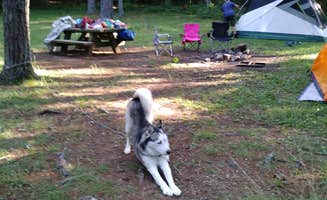
Campsite reservation timing: Most dog friendly campgrounds at Bluestone Lake fill quickly during peak summer weekends and holidays. Booking 3-6 months in advance provides the best selection, particularly for waterfront sites or those with full hookups.
Tips for camping with families
Playground access: Several campgrounds feature well-maintained play areas for children. "They also had a nicely updated park for the kids to play. My only complaint is that the camp store did not keep their ice cream stocked," notes a family visiting Brushcreek Falls RV Resort.
Splash areas for summer heat: When temperatures climb, water features become essential for families with children. "They have zipling, axe throwing, disc shooting and archery, playgrounds and splash water park. The weather was so nice!" shares one visitor describing recreational options.
Biking-friendly roads: Most campgrounds feature paved roads where children can safely ride bicycles. "Kids loved biking around campground, very safe," mentions a camper at Pipestem Resort State Park, while another adds, "All the roads are paved making it easy for the little ones to ride bikes."
Tips from RVers
Access road challenges: Some campgrounds require careful navigation, especially with larger rigs. "The hill to climb to get there is SUPER sketchy but it's a gorgeous location. If you want to go ride dirt bikes or UTVs this place is definitely the spot," explains a visitor to Kairos Wilderness Resort, which offers access to over 41 miles of trails.
Site leveling considerations: Many campsites throughout the region require leveling blocks due to sloping terrain. "Watch the site descriptions for the incline. The water/electric sites surround a large field. These sites tend to be sunny. 1-49 are in the woods," advises an experienced RVer.
Dump station locations: While not all campgrounds offer full hookups, most provide dump stations either within the campground or nearby. "We got the last site available and it was pretty decent. Site 10 across from the bathhouse. The site was very level, as were most sites. Many have full hookups and several are right along the creek," notes a camper describing facilities.












 Guide
Guide


