Tent camping near Copalis Crossing, Washington offers experiences in the temperate Quinault rainforest ecosystem where annual rainfall exceeds 140 inches in some areas. Most campgrounds sit at elevations between 200-600 feet above sea level, creating mild temperature variations between coastal and inland sites. Winter camping options remain accessible due to the region's relatively moderate climate, though campers should prepare for frequent precipitation from October through April.
What to do
Kayaking Lake Quinault: At Gatton Creek Campground, campers can launch directly from their sites. "Only five sites at this campground - first come first served - all are walk up and all are on a semi private beach on Lake Quinault with beautiful water for swimming and kayaking," notes Amber B.
Rainforest hiking: The Quinault area offers numerous trails within minutes of most campsites. A camper at Willaby Campground shared, "You can hop on a great trail right from the campground that goes along a creek," while another recommended to "Visit the lodge to shower for $3 with access to the sauna."
Wildlife viewing: The dense forests host numerous species. "Saw a bear while visiting," reports one camper at Graves Creek Campground. The area's rivers and lakes also support seasonal salmon runs, providing opportunities for fishing or observation during migration periods.
What campers like
Private beaches: Some sites offer exclusive water access. "We had our own private beach and it was lovely. The sites are close but private," reports a Gatton Creek visitor. The limited number of waterfront sites means early arrival is essential during peak season.
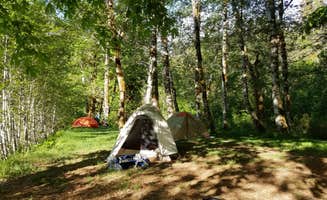
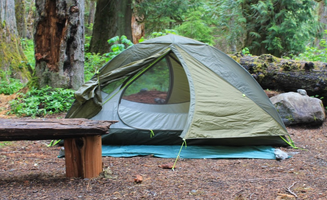
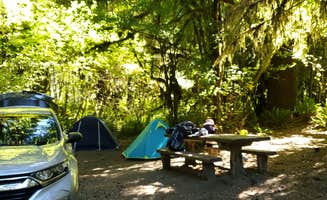
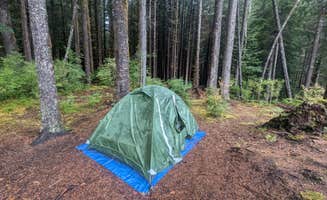
Secluded forest sites: The density of vegetation creates natural privacy barriers between campsites. At Upper Clearwater, one camper noted, "If you love camping in the woods and hearing rivers instead of radios, this is the place for you," while another mentioned the "Great big trees and lots of shade."
Seasonal solitude: Winter camping provides significantly more privacy. A visitor to Graves Creek Campground shared, "We were the only ones at this campground the first weekend in December," highlighting the off-season tranquility available to those prepared for cooler, wetter conditions.
What you should know
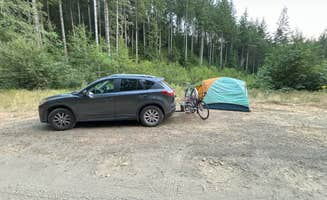
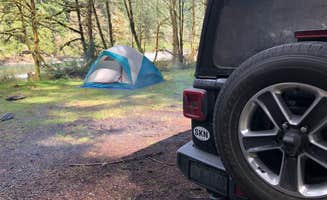
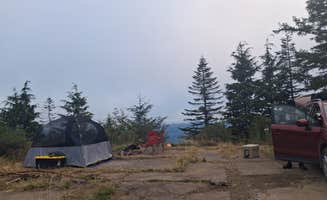
Road conditions: Many campgrounds require travel on unpaved roads. According to one camper at FS-2292 Dispersed, "The road was a little rough but my SUV made it fine," while another noted they "heard maybe 1 car the whole day/night."
Limited facilities: Most dispersed sites offer no amenities. "No potable water, so make sure to bring what you need or filter from the Quinault River," advises a camper at Upper Clearwater. Similarly, bathroom facilities vary widely across campgrounds.
Site surfaces: Tent pads vary significantly in comfort level. A Gatton Creek visitor warned, "The campsites have no grass or dirt and they are solid rock just like the beach," emphasizing the need for appropriate sleeping pads or air mattresses at rocky sites.
Tips for camping with families
Best beginner-friendly sites: Choose established campgrounds with amenities for first-time campers. At Willaby Campground, "The day use beach area was great for launching a kayak, and has a boat ramp for larger vessels. Willaby creek offers a nice setting for walks and picnics," mentions Rebecca M.
Weather preparation: The rainforest climate means precipitation is common year-round. One camper at Western Horizon Ocean Shores shared, "Loved how close this was to the shore. Just a 10 minutes stroll to the beach," but families should pack extra tarps and rain gear regardless of season.
Site selection for lake access: Waterfront sites fill quickly but offer immediate water activities. "About half the campsites are on the lake and if you can you want one of those ones!! We had site 10 and the view was amazing," advises a Willaby visitor.
Tips from RVers
Size limitations: Most forest campgrounds accommodate smaller RVs only. At Dispersed South Shore Road, a visitor noted, "We found the perfect secluded spot next to the Quinault River. Drove right into the hidden alcove in our stealth camper van."
Road narrowing concerns: Forest roads often present challenges for larger vehicles. "Approach to the campground is mostly paved and well marked. The road narrows considerably in a few places and with a soft shoulder. Large RV's and vehicles with trailers meeting each other in these sections will need to reverse to allow safe passage," warns a visitor to Upper Clearwater.
Limited hookups: RV campers should prepare to boondock. Most forest service and national park campgrounds near Copalis Crossing provide no electric, water, or sewer connections, requiring self-containment and conservation practices.











 Guide
Guide


