Glamping options near Chincoteague, Virginia typically include canvas structures, cabins, and safari-style accommodations within 45 minutes of the island. The region's salt marshes and coastal pine forests create distinctive camping microclimates with summer temperatures averaging 85°F during peak season. Winter camping remains available at several locations where temperatures rarely drop below freezing along the Delmarva Peninsula coastal corridor.
What to do
Kayaking water trails: At Pocomoke River State Park Campground, paddlers can access multiple routes from the campground. "We have kayaked north to Snow Hill, Md, south to Milburn Landing, west up Nassawango Creek, and Corkers Creek at the campsite. We have also kayaked out of Byrd Park, in Snow Hill. All these kayak trails are wonderful! Plenty to see, no bugs, no mosquitoes..some biting flies if you go into the lily pad areas."
Fish from campsites: Several campgrounds offer direct fishing access without requiring special equipment or boats. "Good fishing in the area...I always catch fish here, but not so lucky elsewhere! Lol" Many sites at Pocomoke River State Park face directly onto the water for easy bank fishing access.
Wildlife observation platforms: The bird watching opportunities extend beyond the main refuge areas. "We are kayakers in the warm weather and hikers when its cooler," reports one camper at Pocomoke River State Park, noting the diverse ecosystems accessible from a single campsite.
What campers like
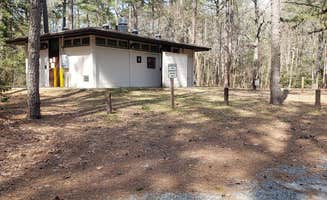
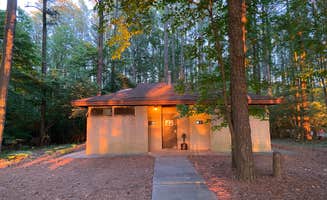
Clean, modern facilities: Milburn Landing Campground receives consistent praise for its updated amenities. "Bath house was large and extremely clean; renovated within the last year. Two large shower stalls; one was a handicapped stall with the detachable shower head, which was great for showering my toddler off. Water was nice and hot, and pressure was strong."
Budget-friendly options: Pine Grove Campground provides more affordable glamping near Chincoteague compared to resort properties. "Great access to heart of Chincoteague and easily 30-50% cheaper than big name parks on island." This cost difference can be substantial during peak summer seasons.
Water views from sites: Many campers specifically mention site selection based on water proximity. At Janes Island State Park Campground, "On the loop near the water (where we were), the sites were also somewhat close together. It gives the campground a bit of a social feel since you're all fairly close."
What you should know
Seasonal bug considerations: Insect activity varies dramatically by month at most Chincoteague-area campgrounds. "If you go before June or after September, you're more likely to have a good time. Taking two stars off for bug issues, not likely to go back unfortunately." Janes Island campers specifically noted deer flies being most active at dusk.
Site drainage issues: Some campgrounds experience flooding with even moderate rainfall. At Shad Landing Campground, one camper noted, "It had rained just before getting there. A few sites were flooded but most were okay. We stayed on Acorn loop."
Booking timelines: For peak summer dates, advance planning is critical. Many campsites open reservation windows 6-12 months in advance with holiday weekends filling immediately. Non-holiday weekdays typically offer more availability and lower rates even during summer.
Tips for camping with families
Entertainment value per dollar: Frontier Town RV Resort offers exceptional all-included activities. "This was my first time there in over 20 years. It had changed so much. The sites were awesome. Clean shower houses all day long. lots of activities for the kids and the water park was amazing."
Nature programs: Several campgrounds offer structured educational activities even off-season. "The park has programs and we painted a picture of Chuck the Owl (he was our model) which was fun." These ranger-led activities typically require no additional fees beyond standard camping rates.
Site selection strategy: For families with young children, consider site location relative to bathrooms and playgrounds. At Pocomoke River State Park, one camper advised, "I really did enjoy our particular site, but it was a bit too far from the bath house for those traveling with little kids."
Tips from RVers
Tight turning radius challenges: Many waterfront campgrounds have narrow access roads with trees limiting maneuverability. At Milburn Landing, campers warned: "The roads around campground are narrow with large trees lining the road. A big rig would have difficulty parking if not on a specific site. Most sites are gravel pad with electric. Would strongly suggest only tents, pop ups and travel trailers under 30'."
Electric hookup variability: Electric service types differ across campgrounds and even within the same facility. "30 amp service available on Acorn Trail and Deer Run. Now water or sewer hookups but there is a dump station at park entrance with a water fillup spot." Confirm specific hookup details when booking RV sites to avoid compatibility issues.
Water access challenges: Not all waterfront campgrounds offer direct RV hookups to water systems. "Only draw back is no water or sewer hook ups, but dump and water station is clean and close." RVers should plan to arrive with full freshwater tanks at these locations.






 Ranger


