The camping areas near Montgomery, Pennsylvania sit within the Susquehanna River Valley, where elevations range between 500-800 feet above sea level with humidity levels that frequently reach 80% during summer months. Forests of maple, oak, and hemlock trees surround most campsites, creating seasonal conditions that shift dramatically from hot, muggy summers to crisp, cold nights in spring and fall. Tent camping areas throughout the region experience periodic drainage issues, particularly after heavy storms that typically occur in late spring and early summer.
What to do
Hiking to waterfalls: Ricketts Glen State Park Campground offers direct access to the Falls Trail system where campers can view 22 named waterfalls. "The biggest draw to this state park (which no one in Pennsylvania I spoke with seemed to know about) is the 22 waterfalls! We saw 18 of them on a four-mile moderate hike, but if you want to see the additional four, you could make it a seven-mile hike. The trails are very well marked," notes one visitor.
Fishing in stocked ponds: Williamsport South-Nittany Mountain KOA maintains fishing ponds stocked throughout the season. "There is a well stocked camp store where we were able to get some fresh eggs and delicious ice cream by the scoop," mentions one camper. The pond fishing requires no additional permits and provides a convenient activity for beginners.
Night sky observation: R.B. Winter State Park Campground provides exceptional stargazing opportunities due to minimal light pollution. One visitor shares: "The night skies were beautiful (starry starry night w/little light pollution) and trails galore leading directly from the campground." The area's 40-mile distance from larger towns creates conditions for viewing the Milky Way during summer months.
What campers like
Live entertainment: Riverside Campground & Riverside Roadhouse offers regular weekend performances. According to one reviewer, "The bands were great both nights. We all took the kayaks out on the Susquehanna River that runs behind the property for a sunny paddle. Came back and went to a wine fest, in the park that is right next to the campground, bought some root beer moonshine (which is AMAZING) then ended the night with hamburgers music and a friendly (competitive) game of corn hole."
Animal attractions: Jellystone Park Camp-Resort at Milton features petting zoos and farm animal interactions. Families appreciate the educational value, with one camper noting: "Peaceful place to camp. Pool, nice playground with neat zipline for kids. Animals to see and feed. Hayride or firetruck ride in evening. Movie at night. Crafts to do with kids too."
Swimming options: Many campgrounds provide water recreation beyond just pools. "We got the last site for the night. Did a few loads of laundry, ate a good dinner at the restaurant, kids enjoyed the pool and swam in the river. Big huge park and tons of grassy areas. Really lovely," writes one visitor about Riverside Campground. Several sites offer both controlled swimming environments and natural water features within the same property.
What you should know
Road noise variations: Site selection impacts traffic noise exposure at some campgrounds. A visitor to Worlds End State Park Campground observed, "The sites are spaced a decent amount apart and are generous in size. The pet-designated sites are close to the road (154), although there was not a lot of traffic (at least when we were there)." Sites further from main roads provide significantly quieter environments.
Cell service limitations: Multiple campgrounds in the region have minimal to no connectivity. One camper at R.B. Winter notes, "No cell service, which is refreshing. The sound of the creek nearby is really soothing." Plan communications accordingly, particularly for emergency contacts or work requirements.
Water quality concerns: Some properties experience periodic water quality issues. As one visitor reported, "The water had been tested earlier in the season and unsafe levels of manganese were detected. All water spigots were shut off and covered but we were told it was safe to wash our dishes and brush our teeth." Check with campground offices upon arrival regarding current water advisories.
Tips for camping with families
Theme weekends: Ravensburg State Park Campground hosts organized activities throughout the summer season. "Pay attention to the Theme Weekend Events– they will be crowded and there could be an additional fee. We were charged $20 for the Care Camp Weekend," advises one visitor. These events typically involve crafts, games, and special guest appearances.
Jump pillow safety: Several campgrounds feature large inflatable play areas with specific operating hours. One camper notes, "There is a jumping pillow and a pool (we didn't get to use these because of the rain but they looked like fun!)." These attractions typically have weight restrictions and staff supervision during peak hours.
Hammocking options: Sites with mature trees provide additional sleeping arrangements for older children. "There are plenty of trees that are good for hammocking. And in a few sites, you can set them up right by the creek, which is my favorite part," notes one visitor to Ravensburg State Park. Most campgrounds require non-invasive hanging methods to protect trees.
Tips from RVers
Leveling challenges: Knoebels Campground requires careful site selection for larger rigs. "The site was plenty spacious for our pup and TV, but was not level at all. In fact, none of the surrounding sites looked very level," warns one RVer. Bringing additional leveling blocks is essential, particularly for sites near waterways where grading varies significantly.
Electric load limitations: During peak season, voltage drops can affect appliance function. One camper noted, "Electric ran below 110 volts the entire weekend and the water had a brownish tint to it. It was a VERY hot weekend so I should mention that everyone had their air running." RVers with sensitive electronics should consider surge protectors with low-voltage disconnects.
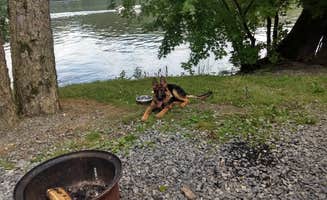
Fire ring placement: Some campgrounds position fire rings unusually close to camping pads. A visitor observed, "And the fire pits are just about sitting on the road. If your fire is too big look out that you don't catch your vehicle or camper on fire. It's that close." Careful positioning of vehicles and awareness of wind direction helps mitigate potential heat damage.














 Traveler


