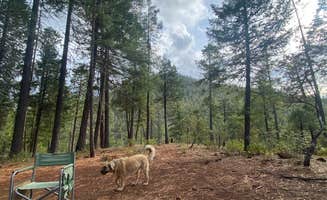
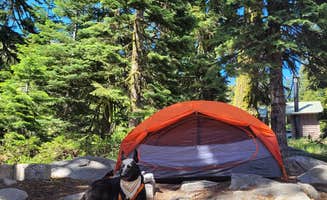
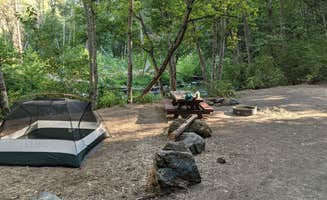
Tent camping near Rogue River-Siskiyou National Forest ranges from primitive creek-side sites to walk-in camping areas, with elevations varying from 1,500 to 4,000 feet across the region. Summer temperatures typically reach 85-95°F during day and drop to 45-55°F at night, requiring campers to prepare for significant temperature variations. The area's volcanic soil composition creates uneven terrain at many sites, with natural plateaus rather than constructed tent pads.
What to do
Fishing opportunities: Cast for native trout at Spalding Pond Campground, where the pond is stocked annually. "They stock the pond each year with legal trout and there is some native catfish and crawfish as well," notes camper Zak H.
Winter camping: Experience snow camping at Tin Can for a completely different wilderness experience. "We like to camp here especially in the snow!" shares Shannon W., who appreciates the year-round creek access.
Night sky viewing: Take advantage of clear mountain skies at higher elevations. Kevin T. reports from his visit to Onion Mountain: "You are at 4000 feet and you can see the milky way clearly."
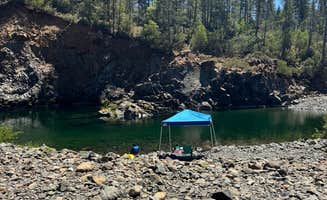
River swimming: Cool off in natural swimming holes during hot summer months. Most riverside campgrounds offer water access, though swimming conditions vary seasonally with water levels typically highest in spring and early summer.
What campers like
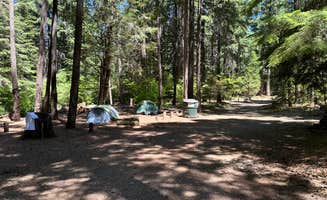
Complete solitude: Many campers value the isolation found at smaller sites. "This is a remote campground. It sits on a year-round creek. You will most likely have the whole place to yourself," notes a reviewer about Tin Can campground.
Water sounds: Falling asleep to creek or river sounds ranks highly among camper experiences. At Sixmile Campground, Kayleigh W. considers it "by far my favorite place" and "a beautiful spot."
Wildlife encounters: The undeveloped nature of many sites increases wildlife viewing opportunities. Marcus V. reports from Squaw Lakes: "Absolutely beautiful and quiet. Love the lake and the trails around it."
Natural surfaces: Unlike more developed campgrounds, tent sites here maintain their natural character. "The ground is full of graphite which is pretty cool too," notes Marcus about Squaw Lakes.
What you should know
Limited facilities: Most tent sites require complete self-sufficiency. While some have vault toilets, most lack drinking water. "The only downfall is that there is no drinking water available, so you will need to bring your own or plan on filtering/boiling," advises Zak H. about Spalding Pond.
Access challenges: Many campgrounds require high-clearance vehicles or walking in gear. At Josephine Campground, "You have to park your car in the lot and carry your gear a few yards to the different sites," explains Bill T.
Cell service limitations: Communication options are minimal throughout the region. Bill reports: "I had intermittent one bar service with Verizon" in the Josephine Campground area, which is typical for most locations.
Fire restrictions: Seasonal bans often prohibit open flames during summer months. When allowed, campers should use established fire rings only and check current restrictions before arrival.
Tips for camping with families
Swimming safety: Monitor water access points with children. At Cedar Bloom, Katie G. notes it's "Great for kids with a river on site nearby" but supervision is essential due to variable currents.
Age-appropriate sites: Consider terrain and water proximity when camping with small children. Lisa N. cautions about Little Falls Campground: "Not really a great place for such young children since the river is quite big and swift."
Security considerations: Campgrounds without hosts may feel less secure for families. Liliána S. felt safer at Little Falls Campground because "the park ranger checked on us in the morning."
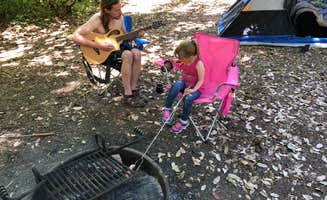
Limited amenities: Most sites lack developed facilities for children. Jennifer A. advises: "Pack warm clothes for night and be sure to have good bug spray, even for when you're unloading" at Squaw Lakes.
Tips from RVers
Size restrictions: Most campgrounds accommodate only small RVs or camper vans. Imerie T. at Little Falls Campground recommends: "The double site is good for small 10ft less RV. We have a 5x8ft trailer so we fit amazingly in the double site."
Vehicle limitations: Some sites require parking at designated areas and walking to campsites. Check campground specifications carefully as many tent sites cannot accommodate any RVs due to narrow access roads and limited turning space.
Limited hookups: No electrical, water, or sewer connections exist at most locations. RVers should arrive with full water tanks and empty waste tanks, prepared for self-contained camping.
Alternative options: For those requiring more RV-friendly facilities, Cedar Bloom offers some RV spots with more amenities. "This unique campground has everything you need! A hidden treasure!" notes Mea W.









 Ranger


