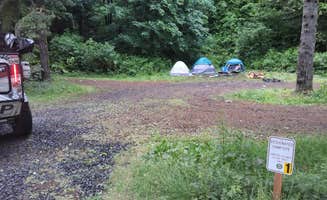
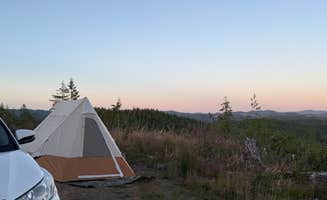
Tillamook State Forest contains over 364,000 acres of forestland with multiple rustic camping sites available between 30-60 minutes from Banks, Oregon. The forest elevation ranges from 750 to 3,600 feet, with most primitive camping areas situated in valleys or on ridge tops. Forest regulations permit stays of up to 14 consecutive days at dispersed sites, with a maximum limit of 30 days within any 12-month period.
What to do
Waterfall hiking: Take a short trek near Beaver Falls Trailhead where campers can access a beautiful waterfall within walking distance. "The trail all the way on the left side of the parking lot takes you to the falls. The trails in the middle of the lot are super steep and muddy and don't lead to the falls," notes Jeremy B. Another visitor mentions, "The waterfall is beautiful after a short hike. Great for an evening dip."
Mountain biking: Forest roads throughout Tillamook offer both technical and beginner-friendly mountain biking terrain with minimal traffic on weekdays. The Cedar Creek Road area provides good access points with gradual elevation changes suitable for intermediate riders. "Cedar Creek Rd area offers a nice variety of dispersed camping sites with some good views if you drive far enough, and fairly easy gravel roads for access," reports Kyle B.
Fishing: North Fork Trask provides river access for fishing throughout spring and summer months. "I saw a total of 3 designated dispersed camping sites along this road. But there were a ton of pull offs along the river," notes SpentBrassOffroad B. Trout fishing is particularly productive in early morning hours or at dusk when water temperatures are cooler.
What campers like
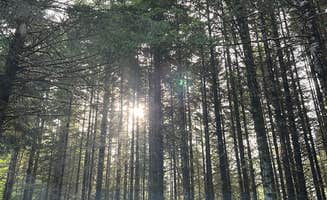
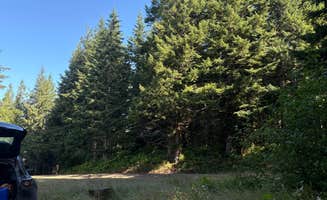
Privacy and seclusion: Many campers value the isolation available at Dispersed Camping Near Pioneer-Indian Trail sites. "We didn't see anyone the entire trip! Beautiful quiet paradise!" reports Josie M. Sites along forest roads often provide natural buffers between camping areas. "This site sits kind of high up in the forest with super tall trees all around. We didn't realize it at first but we were about 100 yards up from a hiking trail," notes Sarah S.
Stargazing opportunities: The minimal light pollution in higher elevation spots makes for excellent night sky viewing. "Clear skies so got to see a beautiful array of stars. This spot was really a 10/10 for me," writes Dylan B. about Trask River Campsites.
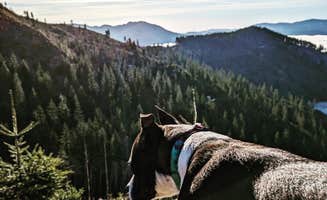
Wildlife encounters: Early morning hours often bring deer, elk, and various bird species into view at camping areas. "The forest offers riverside camping along the Trask River and ridge-top sites with panoramic mountain views," according to local information. "We felt lucky to find this place," writes Mike F., who camped along the river.
What you should know
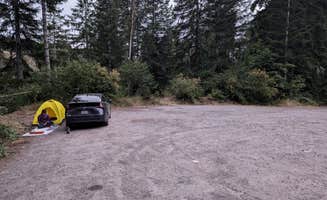
Road conditions vary significantly: Many access roads require high-clearance vehicles, especially after rainfall. "Road is gravel, pretty well maintained. There's a lot of pull off roads, not sure if you can go down all of them," notes Dawson T. about Cole Mt Ridge. Forest service roads typically deteriorate the further you travel from main highways.
Cell service limitations: Prepare for communications blackout in most camping areas. "No service all the way so be prepared for that," writes Dylan B. Download offline maps before your trip as GPS reliability varies throughout the forest. One camper at South Lake mentioned, "Had full data and cell service!" though this appears to be an exception rather than the rule.
Trash issues at some sites: Unfortunately, some areas experience littering problems. "Lots of trash at the spot I picked thrown over the side of the mtn," reports Dawson T. Consider bringing extra bags to pack out waste left by previous campers. Another visitor noted, "Picked up a small bag of someone else's trash. Don't leave trash in the woods — pick up after yourself."
Tips for camping with families
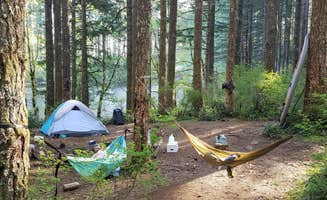
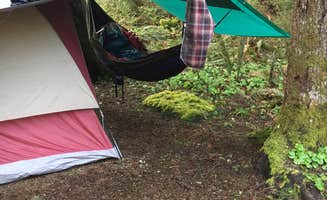
Choose sites with natural barriers: For families with young children, look for camping spots with natural containment features. South Lake offers family-friendly dispersed sites. "This free campground is just far enough out from the coast and the city that you'll likely be alone, even on a Saturday night," mentions Chris H. Another family camper notes, "We hammock camp and there are plenty of sites with trees positioned perfectly for hanging the hammocks."
Plan extra travel time: Forest roads often require slower speeds than Google Maps estimates suggest. What appears to be a 30-minute drive can easily take 60-90 minutes with children. "The road is paved but quite narrow in places. We came up in the dark and had to take it pretty slowly around the turns," reports Mike S.
Wildlife awareness: Teach children about local wildlife safety, particularly regarding cougar awareness. "There have been several recent Cougar sightings at this Lake. Thankfully I did not see any during my visit," notes one camper about South Lake. Keep food properly stored to avoid attracting bears and smaller animals to your campsite.
Tips from RVers
Length restrictions matter: Many forest service roads have tight turns unsuitable for longer trailers. "Not recommended for strictly RWD vehicles, if you are towing 45 feet in length, or wet/snowy conditions," advises Crispin S. Most dispersed sites accommodate RVs under 25 feet more comfortably.
Scout first when possible: At Tillamook State Forest Dispersed Camping, narrow access roads can make turning around challenging. "Watch your GPS and use some dead reckoning with the topographic map. There is a little side road that gets a bit narrow and then opens into a beautiful spot," suggests Seth M. For unknown areas, consider unhitching and scouting in your tow vehicle first.
Plan for no hookups: All rustic camping near Banks requires complete self-sufficiency. "No amenities but such a good time!" reports Hannah H. Bring adequate water, manage waste properly, and ensure batteries or generators can sustain your power needs for the duration of your stay.












 Traveler


