Dispersed camping near Gifford Pinchot National Forest offers primitive sites across 1.3 million acres of wilderness, with elevations ranging from 800 to over 12,000 feet at Mount Adams. Most free camping areas in this southwestern Washington forest require visitors to camp at least 100 feet from water sources and 150 feet from roadways. Summer temperatures typically range from 50-80°F, with frequent rainfall even during dry months.
What to do
Waterfall exploration: Set up camp above Panther Creek Falls for easy waterfall access. One camper noted, "The hike down to Panther Creek Falls is literally right across the road and I think these falls may be the most beautiful falls I've seen in OR or WA." This short one-mile trail leads to spectacular multi-tiered falls, with camping options ranging from an open ridge to tree-covered spots.
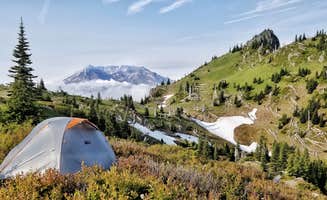
Hiking near volcanoes: Many free camping spots offer access to trails around Mount St. Helens. A visitor at Hidden St Helens Gem reported finding "a clearing with a full view of Mount St. Helens" with enough space for multiple vehicles. Forest roads lead to numerous trailheads with varying difficulty levels, from easy walks to challenging summit approaches.
Wildlife viewing: The forest hosts deer, elk, mountain goats, and numerous bird species. At Dome Camp, one hiker observed, "In the morning, there was a herd of mountain goats along the ridge to the south west looking down over us, playfully dancing along the steep walls." For optimal wildlife spotting, camp in less crowded areas and observe during early morning or evening hours.
What campers like
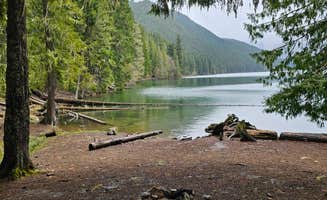
Creek-side camping: Many dispersed sites offer water access for cooling off during summer months. At Panther Creek Creekside Camp, a reviewer shared, "Always love spots by the river. There are several sights that get secluded from others with a very short drive off the main road." These water-adjacent sites provide natural white noise and cooler temperatures.
Solitude in remote areas: Less accessible sites offer more privacy, particularly on weekdays. One camper at Little Soda Springs Rd Dispersed mentioned, "Spent a quiet weekend at Little Soda Springs Rd Dispersed and loved it. The area is peaceful with a nice mix of forest and open space—felt super remote with hardly anyone else around." Many secluded sites can be found by exploring forest roads beyond the main corridors.
Star viewing: Clear nights showcase spectacular night skies away from light pollution. A camper reported, "We spent one night in that huge open area and it was beautiful - the stars were amazing." The higher elevation sites often provide the best star viewing, especially in areas with natural clearings or ridgetop locations.
What you should know
Permit requirements: Most free camping near Gifford Pinchot National Forest requires either a Northwest Forest Pass ($30 annually) or America the Beautiful Pass ($80 annually). One camper at Morrison Creek explained they had "nice flat tent sites, good fire rings, and picnic table" but reminded visitors about permit requirements. Display passes on vehicle dashboards when parked at trailheads or camping areas.
Limited facilities: Most dispersed sites have no water sources, toilets, or trash service. Pack out everything you bring in. A visitor to NF-9038 advised, "If you look hard enough you can find a PRIMITIVE toilet (plywood stand with toilet seat)," but most areas require campers to bring portable toilets or dig catholes at least 200 feet from water sources.
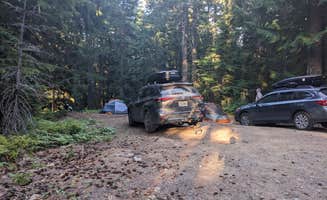
Road conditions: Forest roads vary greatly in quality. At Mount St. Helens Dispersed Camping, a camper warned, "The road coming in the last 10 miles is rough in many spots. It's hard to see the bumps and dips in the road in the early evening." High-clearance vehicles may be necessary for accessing remote sites, particularly after rainfall.
Tips for camping with families
Sno-park alternatives: Year-round camping at sno-parks offers more amenities than typical dispersed sites. At Oldman Pass Sno-Park, a visitor shared, "Access to a couple of toilets and a ton of hiking trails. Relatively close to a somewhat busy road, but feels isolate enough." These areas often have vault toilets and more level parking areas suitable for family setups.
Safety considerations: No cell service exists in most forest areas. A visitor to Little Soda Springs Rd noted, "Heads up: there's absolutely no cell service, so make sure to download any maps or trail guides before you get there." Families should bring physical maps, first aid supplies, and consider satellite communication devices for emergencies.
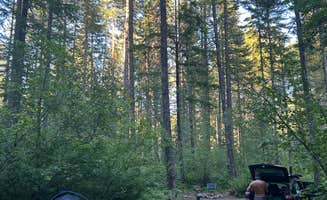
Water access sites: Look for camps near creeks for natural play areas. One reviewer found that "Ice cold creek, towering trees. Seemed to be lots of sites off the road to pick from." These water-adjacent sites provide natural entertainment for children, though supervision is essential as streams can run fast after rainfall.
Tips from RVers
Size restrictions: Most dispersed sites accommodate smaller RVs and trailers only. A reviewer at Mount St. Helens Dispersed Camping observed, "There are many spots to choose from for cars, trucks, and vans. It doesn't seem like it's designed for RV's and trailers." Vehicles longer than 25 feet may struggle on forest roads and finding suitable level spaces.
Alternative parking: Some sno-parks function as overnight RV parking when formal campgrounds are full. One camper suggested, "No real campsites here, but large parking area where you can put an RV overnight." These areas often provide more open, level spaces than forest roads but may have day-use only restrictions during winter months.
Road hazards: Narrow forest roads present challenges for larger vehicles. A camper noted, "We entered near Cougar and passed Lower Lewis Falls. There are multiple sites along the road, some have plenty of room for RVs but I wouldn't want to drive one on the roads." Scout ahead in a separate vehicle when possible before committing to narrow or rough roads with an RV.
















 Guide
Guide