The Lincoln National Forest region offers diverse camping experiences at elevations above 9,000 feet with dramatic temperature swings between day and night. Summer temperatures can reach 85°F during the day while dropping to below 50°F at night. Winter camping requires extensive cold-weather gear as nighttime temperatures frequently drop below freezing, especially at higher elevations where snow can accumulate from November through March.
What to do
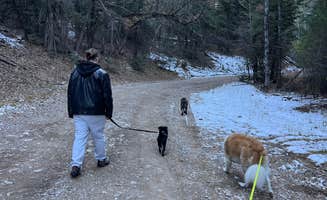
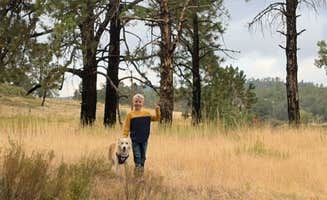
Hiking with dogs: Forest Road 568 provides access to numerous trails where dogs can accompany owners through mixed conifer forests. "We planned on only staying up here a couple days, but plans off the mountain fell through and we stayed for 12. It was gorgeous. Huge forest with lots of exploring to do," reports one camper at Forest Road 568 - Dispersed Camping.
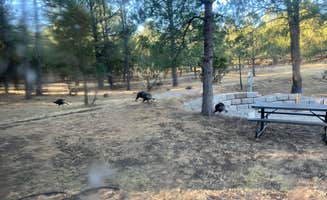
Wildlife viewing: The Lincoln National Forest area hosts substantial elk populations, particularly visible during early morning and evening hours. A visitor to Dog Canyon noted: "Stayed for 3 days and only saw a few cars pass by that whole time. Felt very private and had plenty of space. Lots of beautiful birds and some bats flying around at dusk!"
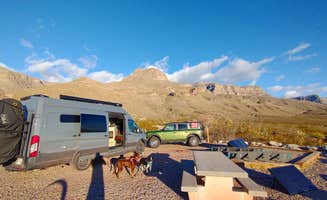
Stargazing: The minimal light pollution and high elevation create exceptional night sky viewing conditions. A visitor at Oliver Lee Memorial State Park Campground shared: "Stunning cliffs rise to the east, with a wide-open valley stretching beyond. The starry night skies are absolutely beautiful."
What campers like
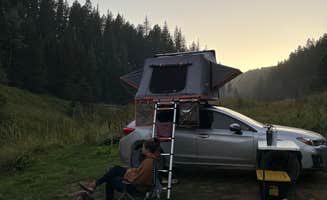
Temperature relief: The high elevation provides a welcome escape from summer desert heat. "We tent camped in mid September 2022 in the Lincoln National Forest south of Cloudcroft, NM off Forest Service Road 64. Over 9,400' and it got cold at night. Saw one elk and heard more bugling," noted a camper at Lincoln NF - Forest Service Road 64 - Dispersed Camping.
Cellular connectivity: Signal strength varies significantly between locations, with some sites offering surprisingly good coverage. A visitor to Dog Canyon reported: "Tmobile service was pretty good, mostly had 5G but did lose 5g service a couple of times. Starting to get hot in April!"
Privacy options: Most dispersed camping areas offer isolation for those willing to explore further. "We got a nice little private spot under a huge tree. There was lots of really nice people staying at the sites at the entrance, but if you go further you can find some privacy," shared a Forest Road 568 camper.
What you should know
Access challenges: Many forest roads have seasonal conditions requiring careful navigation. A visitor to Bluff Springs Dispersed Camping advised: "Been camping here several times a year and it just keeps getting busier and busier. Need to find a new place!"
Weather preparation: The mountain climate can change rapidly, requiring campers to pack for multiple conditions. "We drove in around 10pm and the small town of Cloudcroft was beautiful for anyone needing a place to stop before heading into the forest. We saw more elk than we could count! Just glowing eyes everywhere and all in the road," reported a Forest Road 568 visitor.
Seasonal timing: Mid-summer offers the most moderate overnight temperatures, while spring and fall require additional cold-weather gear. A Dog Canyon reviewer cautioned: "This campsite was trashed. There was broken glass and trash everywhere. There were a lot of gravel spaces to stay at. It was very busy here and did not feel private."
Tips for camping with families
Pet preparation: When bringing dogs to pet-friendly sites near Timberon, carry extra water as natural sources may be seasonal. "We arrived around 6 pm on a Tuesday evening. Took a right at the fork (sweet group campsite there but occupied) and stayed the night at a pull off to the left, about halfway up the hill," shared a Forest Road 568 camper.
Campground selection: For families seeking facilities, established campgrounds offer better amenities than dispersed sites. An Oliver Lee Memorial State Park camper reported: "We got there around dusk (on a Friday) and it was pretty full. We got one of the last spots, but they have a lot of versatile lots for camping needs. Bathrooms got the job done and had warm water."
Activity planning: Morning activities work best for families as afternoon thunderstorms are common during summer months. "This was a little pull-off area in a very populated National Forest. It can get pretty crowded so hiking in is important. The car-camping and RV camping is right on the road," noted a Bluff Springs visitor.
Tips from RVers
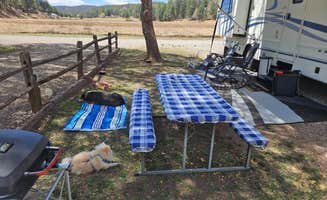
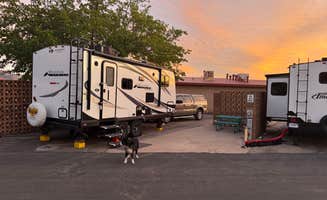
Site selection: Larger RVs should research access routes carefully before attempting forest roads. A camper at Alamogordo / White Sands KOA advised: "We paid extra for a site with swing, paver patio, table and chairs. Site was very large, private, and well worth the extra $. We had a great time, the only reason not 5 stars was overnight/early morning noise."
Power management: RV campers in dispersed areas should plan for self-sufficiency with no hookups available. "After half a week of boondocking we were in need of showers and laundry. This was our first time at a KOA. It was clean, quiet, and extremely convenient to White Sands National Park," shared another KOA visitor.
Water pressure considerations: Some developed campgrounds have unusually high water pressure. An Alamogordo KOA visitor noted: "Local to everything in Alamogordo. Propane available, laundry, cabins, hot as hell showers, water pressure is really high at around 155 psi. So definitely bring a regulator."













 Guide
Guide


