White Mountain National Forest encompasses over 750,000 acres across New Hampshire and Maine, with elevations ranging from 1,000 to over 6,000 feet at Mount Washington's summit. The region experiences dramatic temperature fluctuations, with summer highs rarely exceeding 80°F at lower elevations while winter temperatures can drop below -40°F at higher elevations. Most tent campsites near White Mountain National Forest operate seasonally from late May through October due to harsh winter conditions.
What to do
Summit trails from campsites: Garfield Ridge Campsite serves as an excellent base for peak-bagging. One camper noted, "Great place to stay along the Pemi Loop. Water is pump-able at the intersection to the tent-sites," making it convenient for hikers needing to refill before tackling nearby summits.
Swimming holes: Fourth Iron Campground offers direct river access with multiple rocky beaches between the sites. "The water is clear and cold, refreshing on a warm day," reports one camper. This site makes an ideal basecamp for summer hiking when cooling off becomes essential.
Stargazing opportunities: At Sawyer Pond, the open night sky provides remarkable star-viewing. "I've never seen stars like I did here, all around the pond. They took my breath away!" shared one visitor. The relatively low elevation (around 2,000 feet) and distance from light pollution create optimal viewing conditions.
Sunrise hikes: Hermit Lake Shelters position you perfectly for early summit attempts. Located "about 2.5 miles up from Pinkham Visitor Center/Trailhead, so you're about halfway to summit – perfect place to camp for a sunrise hike," according to one reviewer. The shelters provide a strategic starting point for those wanting to reach Mount Washington's summit for sunrise.
What campers like
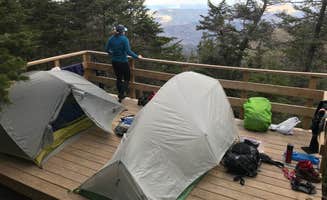
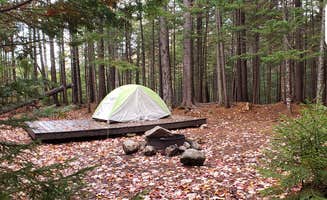
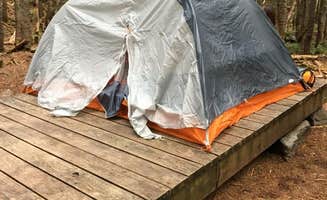
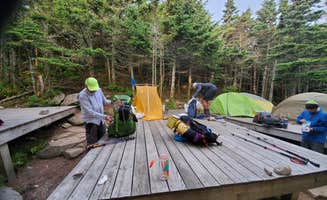
Tent platforms: Many backcountry sites feature raised wooden platforms that keep tents dry during wet conditions. At Guyot Shelter, "There are some overflow sites that are more private, which I wish we knew about!" mentions one camper, indicating the variety of platform options available beyond the main camping area.
Wildlife viewing: Multiple tent camping areas offer wildlife spotting opportunities. At Hermit Lake, one visitor observed "tons of wildlife around, from birds to red squirrels to moose, who often go for a dip in the lake." The wetland areas throughout the forest create natural habitats for moose, particularly at dawn and dusk.
Water access: Most tent sites in White Mountains feature reliable water sources nearby. At Rogers Ledge, "a nice water source .1 miles from the campsite has an easily accessible flow. So no need to hike in with a ton of water," notes one backpacker. Even during late summer's typically drier periods, most established sites maintain access to springs or streams.
Bear protection systems: Garfield Ridge Campsite provides "Bear boxes right next to the cooking area for overnight use," making food storage safer and more convenient. These metal storage containers eliminate the need to hang food bags, which can be challenging in heavily-used areas with limited suitable trees.
What you should know
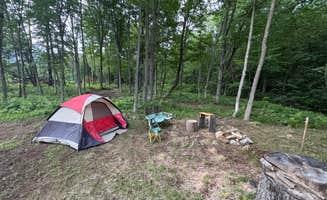
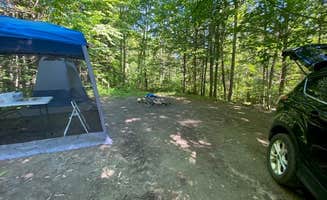
Site accessibility varies significantly: Cherry Mountain Road Dispersed sites offer drive-up tent camping options with varying privacy levels. "Super quiet and lots of privacy... Site #9 goes back about 70 to 80 feet back off the road," reports one camper, though noting "the lack of any other amenities" typical of dispersed camping areas.
Seasonal challenges: Late spring brings substantial insect activity. At Ethan Pond Shelter, "Pond can be pretty buggy with black flies, particularly in June, but that's to be expected," warns one visitor. Early fall (September-October) typically offers reduced bug pressure and cooler temperatures.
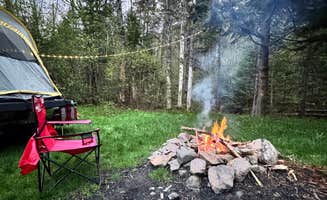
Fire restrictions vary by location: While some established sites permit fires in designated rings, many higher-elevation areas prohibit them completely. At Ethan Pond Shelter, despite evidence suggesting otherwise, "fires are NOT allowed," according to a visitor familiar with regulations. Always check current fire restrictions before planning cooking methods.
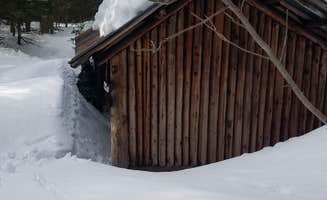
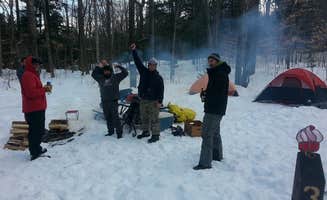
Trail conditions change seasonally: Winter and spring access can be extremely difficult. At Ethan Pond, one camper reported, "It was late march with over 4' of snow still on the ground... Had to blaze our own trail on Ethan pond trail. New snow over a week old and no tracks." Trails typically remain snow-covered until mid-May at higher elevations.
Tips for camping with families
Choose shorter approach trails: Sawyer Pond offers family-friendly access. "The hike from the parking lot to the campsite was 1.5 miles and pretty easy. It is mostly flat with a few minor hills (I saw children and elderly folks easily using this trail)," notes one visitor, making it suitable for younger hikers with limited endurance.
Look for established facilities: Nauman Tentsite provides necessary amenities for family comfort. "It is an easy 3 mile hike for an adult, I did it with my 5 year old in tow. It is managed by friendly care takers and has a pit toilet and a bear box for your food," reports one parent, highlighting its family-accessibility.
Select sites with natural attractions: Northern Nursery Brookside Campsites features "15 tent sites along the water, and a quick walk from the parking area." Though basic with "only a porta potty," its streamside location provides natural entertainment for children while remaining convenient to parking.
Consider shoulder seasons: Camping outside July-August peak periods reduces crowds and competition for sites. At Fourth Iron Campground, "Can be very secluded in winter months, sometimes you're the only person there," reports one visitor, though families should only attempt winter camping with proper experience and equipment.











 Legend


