Kootenai National Forest spans over 2.2 million acres across northwestern Montana with elevations ranging from 1,800 to 7,700 feet. Campgrounds in this region typically feature vault toilets with limited cell service in more remote areas. Summer temperatures average 75-85°F during the day while dropping to 45-55°F at night, making it important to pack layers even for summer camping trips.
What to do
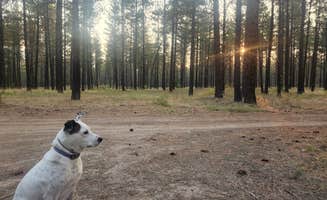
Hiking with pets: Kootenai National Forest trails welcome leashed dogs with several accessible trailheads near campgrounds. At Sheldon Mountain Trailhead Camp, visitors can access trails surrounded by "big pretty pine trees" according to camper Tee C., who notes the campground is often uncrowded even on weekends.
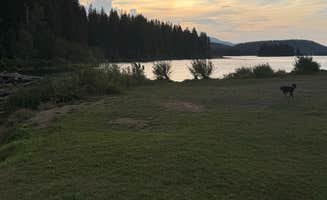
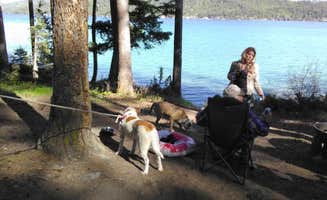
Water activities: Lake Koocanusa and the Kootenai River provide swimming and boating opportunities. At Rexford Bench Campground, Uncle T. mentions "fabulous location with swimming and docking areas both close to the Campgrounds," making it convenient for water-loving pets and families.
Star gazing: Limited light pollution makes this area perfect for night sky viewing. Nancy C. described Dunn Creek Flats as having "large open field PERFECT for star gazing. We watched The Perseid Meteor shower. Spectacular!" The mountains block the sun early, creating optimal evening conditions for star viewing.
What campers like
Spacious sites: Campers consistently mention the generous spacing between sites. At McGillivray Campground, Mical M. notes "clean, quiet, and well leveled tent pads" with "water and vault toilets and garbage bins scattered throughout so each site is close to one."
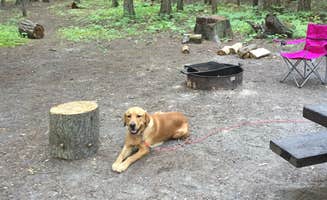
River proximity: Several campgrounds offer direct river access. Emmett S. appreciated Dunn Creek Flats Campground because "our site was the farthest from the river but that was perfect with three doggos. Nice level site with fire pit, grill included, and a nice picnic table."
Wildlife viewing: Morning and evening wildlife sightings enhance the camping experience. Mark D. mentioned at McGillivray Campground, "many deer running around at night and in the morning," while other campers note bald eagles and various birds throughout the forest.
What you should know
Bear awareness: Wildlife encounters require preparation. Hannah O. at Yarnell Island Campground mentions "we hung the rest of our food out of reach on a tree branch" after noticing bold mice exploring their equipment.
Limited services: Most forest campgrounds have basic amenities only. Nancy C. notes at Blackwell Flats "there is little to no shade" and while free, campers should expect road noise and primitive conditions.
Weather fluctuations: Daily temperature swings can be significant. Randi R. observed at Dunn Creek Flats: "We came in late August and mornings were pretty Dewey and cold but the afternoons heated up a lot and the days were super nice."
Tips for camping with families
Pet-accessible water spots: Some locations offer safe places for dogs to cool off. Corrie from Woodland RV Park mentions sites "on the little creek that you can wade and swim in," adding that children enjoy playing in the stream too.
Secure pet areas: Some campgrounds provide fenced areas for pets. Juice B. noted at Fairview Ranger Station the "nicely fenced in yard gives an extra feeling of security when you hear the bears or wolves at night."
Accessible hiking: Families with pets can find trails suitable for various abilities. Nancy C. recommends "for a beautiful scenic drive, continue north on 228 until you get to the bridge that crosses over the north end, take it across and head back south until it meets back up with 228."
Tips from RVers
Dump station locations: Plan ahead for waste management. Nancy C. explains Fireman Memorial Park & Campground has "an RV dump station that can be accessed by anyone with $2," making it a convenient stop for RVers exploring multiple campgrounds.
Site leveling considerations: Some sites require extra equipment to level RVs. Angel R. from Woodland RV Park mentions "Our spot #40 had an incline we had to lower the front end of out trailer to its lowest point to get it level."
Water access planning: Not all campgrounds have hookups or potable water. At Dunn Creek Flats, Emmett S. notes "A hand pump for potable water was centrally located" which is typical of many forest campgrounds where you'll need to fill containers rather than connect hoses.











 Traveler


