The St. Croix National Scenic Riverway spans 252 miles along the Minnesota-Wisconsin border, featuring coniferous forests, sandy riverbanks, and elevation changes from 700 to 1,350 feet. Rustic camping near St. Croix National Scenic Riverway typically involves variable weather conditions, with summer temperatures ranging from 60-85°F and nighttime temperatures sometimes dropping into the 40s even during summer months. Winter primitive camping opportunities exist but require proper cold-weather gear.
What to do
Fishing access: At County Road O Landing Dispersed River Camp, visitors can utilize the boat ramp for easy river access. The riverway supports over 70 species of fish, including smallmouth bass, walleye, and northern pike. Best fishing occurs during early morning or evening hours.
Birdwatching: The riverway corridor hosts over 230 bird species. Morning hours near water access points provide prime viewing opportunities. One camper noted at County Road O Landing: "We woke up to amazing bird calls and left before 6am."
Night sky observation: The minimal light pollution in areas like Dago Lake creates excellent stargazing conditions. As one visitor reported: "Pitch black at night" making it ideal for astronomy enthusiasts.
Hiking: The Ice Age Trail connects to camping areas like Sandy Cove on the St. Croix River, offering "Well managed gravel trail to the south and single wide footpath to the north" according to a visitor. The trails range from easy riverside walks to more challenging terrain.
What campers like
Easy access fishing: River access points provide convenient fishing without needing advanced equipment. At County O Landing, "There are a few spots near the boat ramp and bathroom, but we parked near the trailhead and it was perfect!"
Wildlife viewing: The riverway hosts diverse wildlife including deer, beaver, and numerous bird species. Early morning hours typically offer the best viewing opportunities.
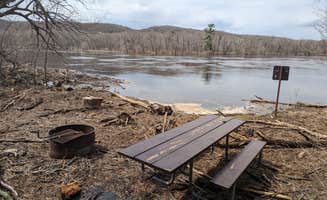
Peace and quiet: Remote locations like Grace Lake Road Dispersed provide tranquil settings away from developed areas. One camper described it as "super nice and peaceful" and mentioned "You're about 20 foot from the water and fishing is good."
Primitive camping experience: The undeveloped nature of dispersed sites appeals to those seeking authentic outdoor experiences. Many sites feature direct river or lake access with minimal facilities, creating a true backcountry feel despite relative proximity to towns.
What you should know
Seasonal insect activity: Mosquitoes can be problematic during summer months. A camper at County Road O Landing warned: "The only problem was the mosquitoes." Bug spray with DEET is essential during peak season from June through August.
Bathroom facilities: Most dispersed sites have limited or no facilities. Sandrock Cliffs provides basic amenities as one camper noted: "There is a pit toilet by the parking lot. No trash, showers or water that we saw."
Access road conditions: Forest roads leading to sites can be challenging for standard vehicles. Gates may restrict access, as one visitor to Grace Lake discovered: "Gate is very narrow had to fold the mirrors on my Tacoma to squeeze through."
Permit requirements: Some areas require permits which can be obtained at the National Park Service Scenic Riverway Visitor Center in St. Croix Falls. Check current regulations before camping as requirements vary by location and season.
Tips for camping with families
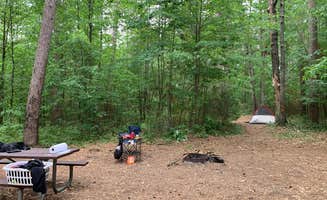
Site selection: Choose spots with shorter hiking distances for younger children. At Sandrock Cliffs, "You have to walk upstairs to get to it, but there were quite a few campsites as you walk along the hiking trail. Each one has a fire pit and a picnic table, and you could probably fit three or more tents at each site."
Security concerns: Some areas may feel less secure for family camping. Regarding Chinty Lake Roadside Camp, one visitor cautioned: "This is literally just a roadside pull off not really a campsite, and the road was kinda busy."
Accessible options: Some sites offer wheelchair-accessible features. Sandy Cove provides an adapted picnic table with "an extra long side for those in a wheelchair" according to a visitor review.
Weekday advantages: Visit during weekdays to avoid crowds at popular sites. School vacation periods typically see higher usage, particularly at water access points.
Tips from RVers
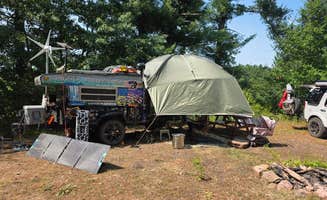
Size limitations: Most primitive sites near St. Croix have limited space for larger vehicles. Standard pickup trucks with small trailers navigate forest roads best, while full-size RVs should stick to established campgrounds outside the dispersed areas.
Overnight parking considerations: Some boat launches permit overnight parking for smaller rigs. At County Road O Landing, one RVer shared: "We ended up staying in the parking lot near the boat ramp" when uncertain about designated camping areas.
Leveling challenges: Natural terrain at most sites requires leveling equipment. Bring blocks or levelers as most primitive sites lack prepared parking pads.





 Traveler


