Dispersed camping near Akeley, Minnesota offers varied terrain with mixed hardwood forests and glacial lakes across an elevation ranging from 1,300-1,500 feet. The region experiences cold winters with heavy snowfall and warm summers, creating distinct camping seasons. Spring thaws often leave forest roads muddy and difficult to navigate without high-clearance vehicles until early June.
What to do
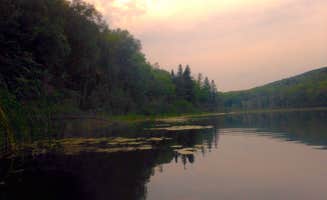
Paddle the Little Gulch Lakes chain: This pristine series of glacial lakes north of Akeley provides excellent canoeing and kayaking opportunities. At Little Gulch Lake canoe campsite, "the lakes are clear and pristine, and far from crowds although within an easy drive of Akely, Bemidji, Itasca and Park Rapids. This is a great destination for canoeing or kayaking from lake to lake, all along a unique glacial moraine with deep quiet forests."
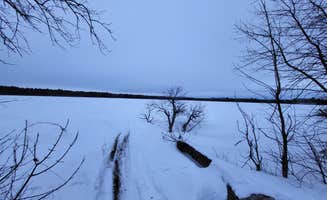
Winter camping and cross-country skiing: Several dispersed sites remain accessible during winter months. At Shingobee Recreation Area, one camper noted the site "would be a great winter camping site, as it's more sheltered in the trees than some sites are. Plus, in the winter, this trail is groomed for Cross Country Skiing, so it would be super accessible."
Bike the Paul Bunyan Trail: This converted rail-trail connects multiple camping areas. At Paul Bunyan Trail Canoe Campsite, "My middle son and I did a bike packing trip on the Paul Bunyon Trail, we rode up from Crow Wing and stayed at this little gem for the night. Got there around 3PM, set up camp and then rode into Pine River for his birthday dinner."
Bird watching on forest lakes: Multiple dispersed sites offer excellent bird viewing opportunities. At Mabel Lake, one camper mentioned "it was so quiet last night, although the beaked neighbors get pretty chatty early." Early mornings provide the best viewing times from lakeside sites.
What campers like
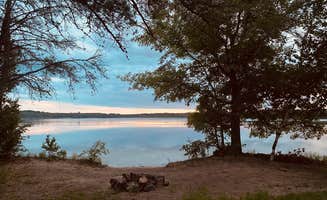
Secluded water access: Many campers appreciate the remote lake and river spots available. At Waboose Lake - Paul Bunyan SF, "The campsite was perfect. There is a bench, firepit, latrine and multiple campsites. Very scenic view with the sounds of loons and frogs in the background. I have camped there twice and have never come across another hiker."
Multiple fire rings for groups: Several dispersed sites accommodate larger parties. At Mabel Lake State Dispersed, one camper noted the site is "Large enough for multiple campers or a small group. There are four rings and a picnic table as well as a sandy boat launch."
Well-maintained North Country Trail sites: The NCT offers multiple free camping options. One camper at Spider Lake Trail - Dispersed Camping found "Campsite has a fire ring and a bench/table. It helped for taking my hiking bag off. Very quiet, no sounds of vehicles or people... Campsite was well taken care of."
Accessibility from main trails: Many sites require minimal hiking from parking areas. "This free site is a very short walk from a parking area/trailhead. Because it's on the NCT, the trail that passes the camp is extremely well maintained and groomed, not to mention super wide!"
What you should know
Cell service limitations: Coverage varies significantly across the forest. One camper at Little Gulch Lake reported "I have verizon and there is no cell service at this sight. There were some bars closer to where you drive in but still nothing great."
Variable road conditions: Forest roads can become challenging, especially in spring. At Paul Bunyan State Forest Dispersed, a camper noted the site is "Very large easy to access camping area. Could easily get 4-5 campers in this one. It is a bit rocky and not extremely level but open and better for less bugs."
Insect preparation: Bug activity varies by site and season. At Little Gulch Lake, a camper warned, "It is extremely buggy and there's a large wasp nest/tunnel system on the ground near the fire pit."
Limited water sources: Most sites lack potable water. One camper at Little Gulch noted "there is no well or pump or other water source at this campsite, and though the water is basically clear and clean you should either bring your own water jug or plan to boil or filter the nearby lake water as there is a lot of beaver activity in the area."
Tips for camping with families
Try beginner-friendly sites: Some locations work well for children new to camping. At Shingobee Recreation Area, "If you have little ones that you are trying to 'wean' into camping, this would be a great place to take them to get a feel for the woods."
Locate overflow camping areas: For larger family groups, scout additional space. "Across the trail (directly across from the camp) is a small little meadow type area that would be a perfect spot for 'overflow' tents, if you have more in your group than the site can take."
Winter accessibility: For winter camping adventures, choose sheltered sites. At Halverson Trail Camp on McCarty Lake, a camper reported "Very nice area with a water access, fire pit and outhouse. About a 10-15 min drive from main road and there are more campsites to find further in."
Plan for bathroom facilities: Know which sites have toilets. "The latrine (and yes, it was in good shape except for a few resident spiders) was just down an opposing hill."
Tips from RVers
Site leveling challenges: Many dispersed sites have uneven terrain. One visitor noted their site was "a bit rocky and not extremely level but open and better for less bugs."
Road access limitations: Check road conditions before attempting entry with larger rigs. At Camp Cassaway Dispersed, a winter camper noted "It was accessible even in winter. The snow was packed down enough to drive on even with a two wheel drive vehicle."
Multiple vehicle spacing: Some sites accommodate multiple rigs. "The road in is good, but gets narrow after you turn off for the spot."
Lakeside parking options: Some sites allow backing directly to water. "I was able to back to the water to have a gorgeous view from bed!"








 Legend


