Newberry, Michigan sits at the eastern gateway to the Upper Peninsula at an elevation of approximately 830 feet. The region features a mix of state forests, inland lakes, and Lake Michigan access points with rustic to modern camping options. Summer temperatures average 75°F during the day, while spring and fall bring cooler temperatures that can drop below freezing at night.
What to do
Hiking on the North Country Trail: Access segments from Muskallonge Lake State Park Campground, which offers a 1.5-mile connector trail. "Great hiking, obvious beautiful falls, and quiet!" notes Felix K., who appreciated the trail system that connects to multiple scenic areas.
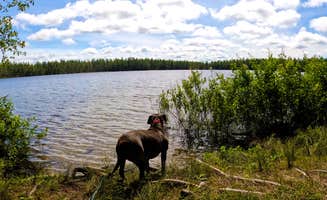
Water activities on inland lakes: Pretty Lake State Forest Campground offers prime kayaking opportunities across multiple connected lakes. "There are ten lakes in the Quiet Area. Many of the lakes have well marked and reasonably short portage trails, allowing kayakers and canoers great opportunities to explore," explains Chris M. The area prohibits motors on lakes, providing peaceful paddling experiences.
Beach combing for rocks: Search for agates and other unique stones along Lake Michigan shorelines. "The Lake Superior shoreline is a great place to hunt for all types of rocks from agates, granite, basalt, and even Petoskey Stones," notes Ari A., who suggests bringing a UV flashlight at night to find special Yooperlite rocks.
What campers like
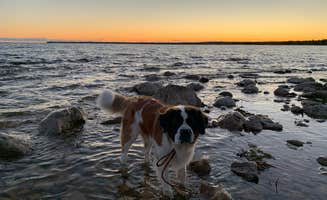
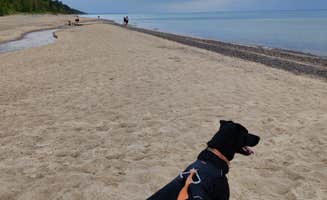
Waterfront camping with privacy: Campers at Big Knob State Forest Campground appreciate sites near Lake Michigan. "Sites 3-7 have a path to the Lake Michigan beach, which takes less than 2 minutes to get to. The water is calm over here, and cannot be heard from the campground. NO ONE was on the beach when I visited," reports Angelica S.
Abundant wildlife viewing: The forests around Newberry provide opportunities to spot local wildlife. "I may have even heard some wolves off in the distance," mentions Aaron N., highlighting the remote wilderness experience available at rustic campgrounds in the area.
Off-road access for recreation: Some campgrounds cater specifically to ATV enthusiasts. "Easy drive to the falls, nice clean grounds, and right next to ATV trails," notes David N. about Newberry Campground, making it convenient for visitors planning to explore via off-road vehicles.
What you should know
Road conditions vary significantly: Many campgrounds require travel on unpaved roads. "Long drive off HW2, felt longer than 6 miles. Sites are small but some to back up to Lake Michigan but not flat," warns Joie V. about access to remote camping areas.
Bug protection is essential: Mosquitoes and flies are abundant, particularly near inland lakes and in wooded areas. "The mosquitoes are quite rough. If you plan on doing any of the hiking trails you'll definitely need a bug net by far none," advises Christopher L. from his experience at Pretty Lake.
Cell service limitations: Connectivity varies widely across the region. "No Verizon data service just about one bar to send text however Wi-Fi is near the office and in the day use and is quite fast," shares Christopher L. about Tahquamenon Falls State Park.
Tips for camping with families
Consider campgrounds with amenities: For families wanting more comforts, select campgrounds with facilities. "They have a playground with lots of things for the kids to do," reports Lemae H. about Kritter's Northcountry Campground, noting that the setup works well for families with children.
Look for swimming options: Lakes with designated swimming areas make for kid-friendly destinations. "Beach area is nice. Boating is good. Bathrooms are very clean," observes Randall J. about Bass Lake State Forest Campground, where shallow water entry points provide safer swimming for children.
Plan for weather changes: Upper Peninsula weather can shift rapidly, even in summer. "We were there late in the season and had a lovely, quiet campsite near the River where we fished for our dinner and later built a romantic campfire," shares Becky K. about her fall visit, suggesting the importance of packing layers and rain gear.
Tips from RVers
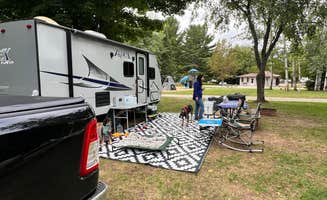
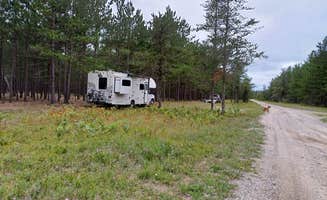
Check site dimensions carefully: Many rustic campgrounds have limited space for larger vehicles. "We have camped here for 7 years and look forward to coming back each year. Perfect place for tent camping but it can also accommodated small to medium RV/campers," advises Donna F. about Big Knob State Forest Campground.
Consider electrical needs: Most state forest campgrounds lack hookups, while private campgrounds offer various options. "Lady at the office is one the nicest people I have ever met. Nice clean sites. A lot of pull through sites, and a lot of different style of sites wooded and grassy. Wifi is alittle spotty at the end of the campground but our jet pack works wonders out here," mentions Chris M. about Newberry Campground.
Select locations based on planned activities: RV travelers should choose sites that align with their recreation plans. "We stayed in the Lower Falls modern campground for 3 nights. The Lower falls were a short hike away, and there was a nice hike to the Upper falls 4 miles away," shares Jess O., describing how location influenced their visit to Tahquamenon Falls.













 Guide
Guide


