Sawtooth National Forest campgrounds stretch across elevations ranging from 5,000 to 10,000 feet, creating distinct temperature variations even during summer months. Nighttime temperatures frequently drop into the 40s F at higher elevation sites like Petit Lake, requiring campers to pack layers regardless of season. The region features both developed and primitive camping options across a landscape dominated by granite peaks and alpine lakes.
What to do
Hiking to alpine lakes: Access multiple high-mountain lakes from Pettit Lake Campground, which serves as a starting point for the Alice Lake trail. "This campground was amazing. Clean vault toilets and clean sites... Close to lots of great hiking for all levels and experiences," notes Heather F. The trailhead is conveniently located adjacent to the campground.
Mountain biking: The Harriman Trail near North Fork Campground offers extensive biking terrain. "It's literally integrated with the 'Harriman trail' which provides access up and down the valley for runners, bikers, and hikers," explains one camper. The multi-use trail connects several recreation areas throughout the valley.
Wildlife viewing: Evening hours provide optimal wildlife spotting opportunities at Chemeketan Campground. As one visitor observed, "In the evening the mule deer and pronghorn come down to the meadow to graze and the river to drink, so there is great entertainment as the sun sets." Bring binoculars for best viewing results.
What campers like
Clear lake waters: The transparency of water at many Sawtooth lakes stands out in camper reviews. At Smokey Bear Campground, "Crystal blue lake in the heart of Sawtooth. Mountain views. Off the beaten path and worth it... SUP (loved seeing the fish swimming under my board)," reports Nancy C. The water clarity allows for underwater visibility even while paddleboarding.
Solitude at higher elevations: Less-visited campgrounds offer surprising privacy even during peak season. "I was surprised to have the entire campground to myself. While this is primarily a group campground, single sites are plenty here as well," notes Annie C. about Chemeketan Campground, where single sites cost $10 per night.
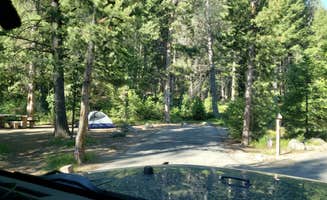
Clean facilities: Despite remote locations, most campgrounds maintain well-kept facilities. At North Shore Campground, "Vault toilets were super clean and the camp host was friendly. Sites nicely spaced out," according to Heather R. Many campgrounds feature regular host presence that ensures upkeep throughout the season.
What you should know
Weather variability: Temperature swings of 30-40 degrees between day and night occur regularly. "It can get chilly in the evenings," warns a camper about North Shore Campground. Pack layers and cold-weather sleeping gear even for summer trips.
Limited drinking water: Not all campgrounds provide potable water. At Prairie Creek, "There is one vault toilet and no garbage collection and no water. There are no bear boxes but proper bear-proof food storage is required," explains Laura M. Bring adequate water supplies or filtration equipment.
Road conditions: Access to many campgrounds requires navigating unpaved roads. Wood River Campground stands as an exception with its "paved road throughout the campground and paved sites which helps to cut down on the dust as many of these campgrounds along Hwy 75 are dusty." Visitors to most other sites should prepare for dusty or rough conditions.
Early arrival recommended: Popular campgrounds fill quickly, especially near lakes. "We drove in on a late Thursday night, June 27th, to find the entire campground packed, and even struggled to find a dispersed camping site nearby," reports Emily F. about Pettit Lake Campground. Arrive midweek or early morning for best site selection.
Tips for camping with families
Creek exploration: Prairie Creek offers shallow water play opportunities. "My family loves walking through them and exploring them (most of the creek is shin deep, sometimes there are little swimming holes that could come up to your waist). Be warned, the water is freezing!" advises Dyani S. The cold water temperature requires supervision for young children.
Wildlife education: Campgrounds provide opportunities to teach children about animal habitats and safety. At Wood River Campground, campers regularly spot wildlife while maintaining proper distance. "Tons of wildlife. Many great hiking areas nearby. We have heard wolves howling before," reports Stacey K. about the North Shore area.
Site selection for lake access: When camping with children, prioritize sites close to water features. At North Shore Campground, "We had site 6 with lake access and went swimming every afternoon," notes one family. Sites closest to lakes typically fill first but offer convenient water access for children.
Tips from RVers
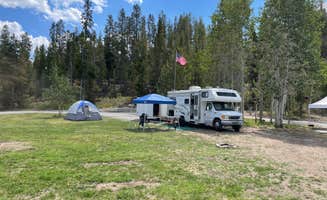
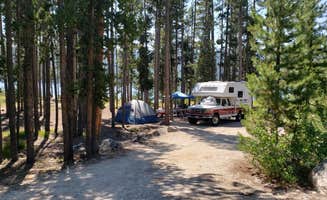
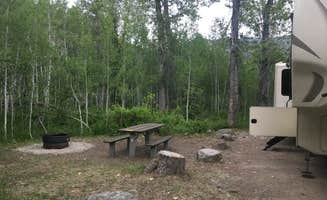
Length limitations: Most Sawtooth campgrounds accommodate smaller RVs but present challenges for larger units. At Smiley Creek Lodge, "There are about 6 designated spots here in this free little campground. This area is fine dirt and so-so in terms of flat spots," notes Laura M. Sites typically lack full hookups, limiting options for larger rigs.
Generator regulations: Policies vary across campgrounds, with most restricting generator usage hours. "No generators allowed" appears as a common rule, so solar or battery power alternatives are recommended for extended stays.
Limited hookups: Even at more developed sites, expect minimal services. "RV spots were pretty wide, which was nice... No picnic tables or fire pits though," reports Ben H. about Smiley Creek. Most RV-accessible sites offer only partial hookups or dry camping with wider parking spaces.













 Guide
Guide


