Central Florida's camping terrain near Frostproof sits at an average elevation of 115 feet above sea level, offering a relatively flat landscape punctuated by numerous freshwater lakes and cypress stands. The region experiences mild winters with temperatures rarely dropping below 50°F, making it popular for northern campers seeking warmer weather from November through April. Campgrounds in this area typically provide sandy soil conditions that drain quickly after Florida's frequent afternoon showers.
What to Do
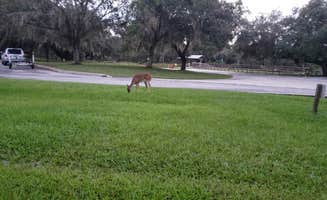
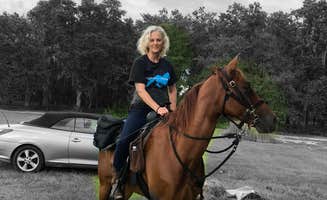
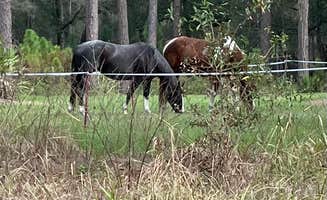
Trail riding with horses: At Lake Kissimmee State Park, equestrians can explore extensive riding paths with varying terrain. "Great place to just get away and relax. Lots of hiking trails and some wildlife. Deers all around even among the campsites," reports Robert T. The park offers dedicated equestrian camping areas with adequate space for trailers.
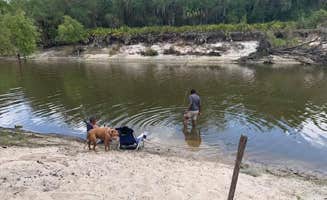
Fossil hunting along waterways: Peace River Campground provides unique opportunities for paleontology enthusiasts. "This park is great for finding Shark teeth and other fossils," notes Paula C. Bring small shovels and screens to sift through sediment at river access points, with best hunting after periods of low water.
Stargazing without light pollution: Kilpatrick Hammock at Kissimmee Prairie Preserve sits within Florida's only designated dark sky site. "The night sky was pretty dark but I couldn't see the Milky Way (there was a half moon during my stay)," shares Monte W. The astronomy-focused campground maintains strict red-light policies after sunset to protect viewing conditions.
What Campers Like
Wildlife observation opportunities: At Kissimmee Prairie Preserve State Park, campers routinely encounter various animals. "Our 6 teenagers were so excited to stand face-to-face, only a few feet from gentle deer, bunnies, and turkeys. We even saw some lazy baby alligators sunning on the Military Trail," writes Roxxy G. Wildlife viewing peaks during early morning and evening hours.
Well-maintained bathroom facilities: Westgate River Ranch Resort & Rodeo receives praise for clean shower facilities. "The restrooms/showers are old but have hot water and are clean," notes Angie S. Most campgrounds in the region prioritize bathroom maintenance despite high usage during peak winter months.
Lake access for fishing and relaxation: Hardee Lakes Park offers waterfront sites with immediate lake access. "Stayed at a non-electric site right on the lake. Fire pit is great and camp hosts even recommended a local small biz that will bring you firewood," explains Joshua W. The four interconnected lakes provide ample fishing spots without requiring boat ownership.
What You Should Know
Road conditions to remote sites: Some campgrounds require traveling unpaved roads. "It's a couple miles of reasonably decent dirt roads to get there, after several miles of remote highways," David G. explains about Istokpoga Canal Boat Ramp And Campsite. Four-wheel drive isn't necessary during dry conditions but becomes helpful after rain.
Limited cell service: Several parks have spotty connectivity. "We had no cell service (this actually made us cancel another stay we had planned since we needed cell service for remote work)," reports Denise about Lake Kissimmee State Park. Verizon typically provides the most reliable coverage in rural Frostproof areas.
Distance from supplies: Prepare for limited nearby shopping options. "Be sure to fuel up and have plenty of groceries," advises Annell N. Most campgrounds sit 15-30 minutes from the nearest grocery store, with convenience stores offering limited selections at higher prices.
Tips for Camping with Families
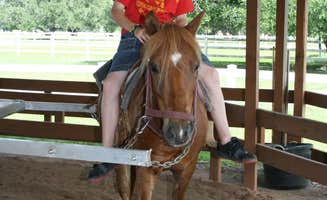
Equestrian experiences for children: Lake Louisa State Park offers family-friendly horse activities. "The idea of cowboys in Florida was unexpected, but added a unique element to the park," mentions Sara S. Children can often view horses on trails even without bringing their own mounts.
Educational wildlife programs: Several parks run ranger-led nature programs focusing on local ecosystems. "We took our two grandchildren, and they had a lot of fun!" shares Lauren W. about Lake Louisa State Park. These programs typically run weekends during peak season and require no reservation.
Water safety considerations: Lakes and waterways require careful supervision. "Keep an eye on gas, there's one place about 6 miles from the park and town is about 15 miles away," warns Corey K. about traveling with children. Florida waterways contain alligators year-round, with increased activity during spring breeding season.
Tips from RVers
Site accessibility challenges: Alafia River State Park has some limitations for large rigs. "There is not a lot of room in the loops to pull your rv into the spot. Holy moly did it take a lot to get this into our spot," notes Samantha O. Request assistance from camp hosts when navigating tight turns in older campgrounds.
Hookup availability varies: Not all sites provide full connections. "Only 30amp hook up and no sewer, but there is a dump station," reports Corey K. Many state parks offer water and electric only, with centralized dump stations requiring relocation of your RV before departure.
Seasonal booking requirements: Reserve well ahead during winter months. "They did a fantastic job in all area's of their new campground. So much to do and it was so quiet and clean," shares Rick W. about Colt Creek State Park. Florida's peak camping season runs November through April, often requiring reservations 6-11 months in advance.









 Traveler


