Salisbury, Connecticut offers primitive camping opportunities in the Berkshire foothills where elevations range from 700-2,000 feet. The area features deciduous forest terrain with moderate temperature fluctuations between seasons. Trail-accessible campsites in this region typically require preparation for changeable weather conditions, especially in spring and fall when temperature swings of 30°F between day and night aren't uncommon.
What to do
Hiking to Bear Mountain summit: Access the highest peak in Connecticut via the Undermountain Trail from Route 41. "We started our hike at the under-mountain trailhead, located right off route 41, and climbed up the mountain. Be prepared for steep inclines, and lots of rocks," shares a camper who stayed at Brassie Brook Shelter - Bear Mountain. The trail intersections are clearly marked with connections to the Appalachian Trail.
Overnight backpacking circuits: Create multi-day hiking loops connecting shelters. "We started this hike in by Race Brook Falls area, and ended it where the GPS coordinates are noted. Basically left a car where we were ending the hike, and took another car with everyone crammed in to the Race Brook Falls parking lot," explains a visitor to Laurel Ridge. The elevation changes make for challenging but rewarding journeys.
Rock climbing excursions: The Shawangunk Ridge (the "Gunks") offers world-class climbing opportunities a short drive away. As one climber notes about Samuel F. Pryor III Shawangunk Gateway Campground, "This is the closest campground to world renowned rock climbing in 'the gunks'... People travel from all over the world to rock climb here." Guide services are available in nearby New Paltz for beginners.
What campers like
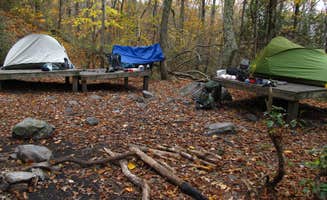
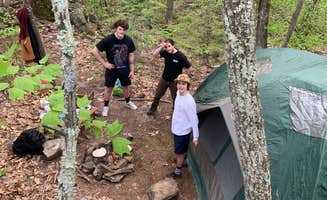
Secluded lean-to shelters: The AT shelters provide simple but practical accommodations. "Brassie Brook has a small lean-to as well as about 4/5 campsites located all around. Firepits, toilets but that's about it. Leave NO Trace!" explains a camper who stayed at Brassie Brook Shelter. These rustic structures offer reliable protection from weather.
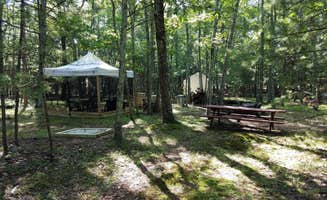
Pristine backcountry sites: Many dispersed sites maintain exceptional cleanliness standards. A camper at Alander Trail Camground reports, "Although we were the only campers at the time the area was emmaculate and not one piece of trash on the ground anywhere! The outhouse was even clean!" Sites often include bear boxes for safe food storage.
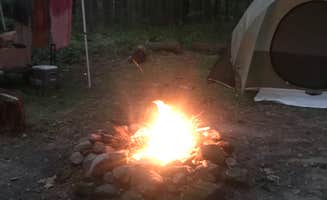
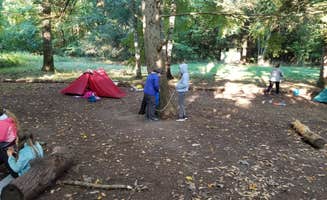
Communal camping atmosphere: Some campgrounds foster social interaction through shared facilities. "All of this happens, its just a little earlier in the night! Most go to sleep relatively early with a full day of climbing ahead of them," notes a Samuel F. Pryor III Shawangunk Gateway Campground visitor about the climber-focused community. The campground features a communal fire pit instead of individual ones.
What you should know
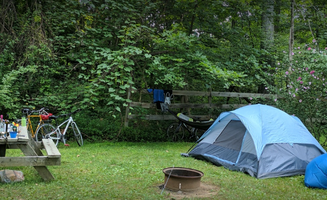
Bear safety precautions: Black bears inhabit the region, requiring proper food storage. "They give you a semi-flat area for a tent, a fire pit and grill rack, one picnic table, and a bear box you would be sharing with other campers nearby," explains a camper who stayed at Alander Trail Camground. Most backcountry sites provide bear boxes.











 Guide
Guide


