Whiskeytown camping areas offer access to a 3,200-acre reservoir with 36 miles of shoreline at elevations between 1,200-1,900 feet. Summer temperatures regularly exceed 100°F, while winter brings mild conditions with occasional snow at higher elevations. Camping options range from primitive tent sites to RV campgrounds with varying levels of facilities throughout the National Recreation Area and surrounding public lands.
What to do
Waterfall hiking: Distance and difficulty vary at Peltier Bridge Primitive Campground. "The nearby trails were all in sight of the burned areas," notes Lily S., highlighting the post-fire recovery landscape. Trails connect to several waterfall areas within 1-3 miles of camp.
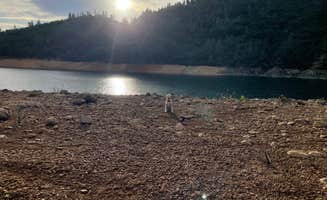
River swimming: Summer relief from high temperatures at Beehive Point Shoreline Campground. "The water is really, really low at this time. It is possible to climb down to the water, and there is a boat ramp a bit further up, so there were boats in the water when we were here," reports Laura M. Water levels fluctuate seasonally.
Star gazing: Dark skies away from city lights. "Great view of greenery and lake and the night stars," says Rosa P. at Beehive Point. Bring a flashlight with red light mode to preserve night vision.
What campers like
Creekside sites: Natural sound barrier at Oak Bottom Tent Campground. "Our site had private water access and was a good distance from adjacent sites... But from our campsite, we sometimes feel like we were the only ones there," shares Matt T. Shoreline sites cost more but provide better privacy despite the campground often being crowded.
Secluded sites: Greater privacy at select locations. "Sites 6, 8, and 9 probably your best bets if they are open. 4 and 5 are right next to the entrance," advises Lily S. about Peltier Bridge. Site selection matters significantly for experience quality.
Off-season solitude: Fewer visitors from October through April. "We stayed here for 4 nights mid week in early May and mostly had the whole place to ourselves," notes Laura M. about Beehive Point. Weekdays offer dramatically reduced occupancy compared to summer weekends.
What you should know
Fire restrictions: Seasonal changes affect camping practices. "Only gripe was the no fires sign posted which was a little confusing considering they sold firewood and charcoal at the camp store," reports Glyn P. at Oak Bottom. Check current fire regulations before arrival.
Bear safety: Food storage required throughout the area. "Bear boxes" are mentioned by multiple reviewers including Kent G. at Peltier Bridge, who notes their availability at primitive sites. All food items must be secured at night.
Tick awareness: Seasonal problem in certain areas. "My dog and I both got bitten by ticks - and we woke to find 8 other dead ticks in our bed," warns Hillary S. at Cline Gulch BLM Dispersed. Perform regular tick checks when camping spring through fall.
Limited amenities: Plan accordingly for primitive sites. "No running water. There were a lot of branches on the ground for us to be able to build a fire," shares Stephanie W. about Peltier Bridge. Many campgrounds lack showers, potable water, or electricity.
Tips for camping with families
Site selection: Waterfront access increases enjoyment. "Large site next to the shore. Short walk to swimming beach and showers. Kids loved it," reports Karen O. about Oak Bottom. Waterfront sites book quickly, especially for summer weekends.
Shade considerations: Heat management essential in summer. "Site was sloped and uneven but did have a couple flat spots for tents. Not a ton of shade but what little shade it did have was next to tent flats," notes Dan G. about Oak Bottom. Position tents for morning shade when possible.
Evening activities: Plan for darkness after sunset. "There are so many different hikes and kayak adventures to go on which end up in beautiful waterfalls... free kayak tours and paddle board programs. The kids also have free JR. Ranger and JR. Firefighter Programs to earn patches," shares Dorie R. about Brandy Creek RV Campground. Programs typically run May-September.
Tips from RVers
Site levelness: Advance planning needed for larger vehicles. "Sites are SUPER uneven and not really defined. The picnic table/fire pit area has large boulders around them," warns Jules S. at Horse Camp Primitive Campground. Bring leveling blocks for most area campgrounds.
Self-contained camping: Best for primitive areas with minimal facilities. "Great spot if you're in an RV. Very quiet when we came mid-week," notes Adam L. about Brandy Creek RV Campground. Most primitive sites lack hookups but offer more privacy.
Proximity to services: Emergency access important for longer stays. "Conveniently close to the freeway, but not too loud," reports Eric J. about RV parks in Redding, approximately 15-20 minutes from Whiskeytown. Access to supplies and veterinary care makes extended pet-friendly camping near Whiskeytown more feasible.














 Guide
Guide


