Port Hueneme sits along California's Central Coast, offering year-round camping with average temperatures between 60-75°F. The coastal location creates unique microclimates where morning fog often burns off by midday, revealing sunny beaches. Campgrounds in this region frequently experience strong afternoon winds, especially from April through September.
What to do
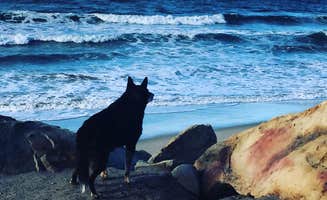
Tide pool exploration: 20-30 minutes at low tide at Thornhill Broome Beach reveals small marine ecosystems. "There's rocks to the left and right that are fun to explore," notes camper Garrett M., who adds that "the plots are deep and noise wasn't really an issue."
Morning dolphin watching: 1-2 hours after sunrise from shore when marine life is most active. Sam H. reports, "If you're lucky you'll see pods of dolphins swimming just out from the shore, actually more often than not." Many campers bring binoculars for better viewing.
Bike riding along coastal paths: 5-15 miles roundtrip from Emma Wood State Beach to nearby communities. "Nice long paths for cruising on your bike," says Chelsea B., making it ideal for morning or evening rides when temperatures are cooler.
Bird watching near estuaries: Early morning hours offer the best wildlife viewing. Janet R. from Point Mugu Recreation Facility mentions "a nice quiet estuary to the north that is full of birds, seals, and other wildlife," providing excellent nature photography opportunities.
What campers like
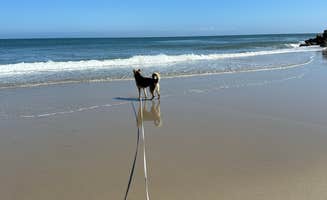
Beach proximity: Direct ocean access rates highly among campers at Faria Beach Park. As C N. explains, "Low tide at Faria offers tide pools and a stretch of sand to lay out on or run with the puppy." Sites include electrical hookups, showers, and toilets.
Clean facilities: Recently upgraded restrooms receive frequent mentions in reviews. Leonard H. at Santa Cruz Campground notes, "Individual restrooms with flush toilets and hot/cold water sinks cleaned daily but get lots of use," though he cautions they "may have beach sand on floors."
Rental equipment: Outdoor gear available on-site at some locations. Ronna S. appreciates that Point Mugu Recreation Facility provides "lots of beach equipment; tents, coolers, cook stoves...surfing gear and bikes to rent," reducing what campers need to pack.
Wildlife viewing: Marine mammals visible from campsites throughout the year. One camper at Emma Wood State Beach mentioned, "We saw squirrels, rabbits, dolphins, sea lions and birds," making wildlife observation possible without leaving camp.
What you should know
Limited shade coverage: Bring sun protection as most beachfront sites lack natural cover. Jeremy F. notes at Thornhill Broome Beach, "there are plenty of large rounded rocks to use in place of stakes," but warns, "there's no shade at the beach."
High tide considerations: Check tide schedules as water levels affect some camping areas. At Lake Casitas Recreation Area, the situation is different but challenging, as Drea M. observes, "There was a heyday here; people once brought their kids and little boats and caught fish and explored the lake. Now, sadly the campgrounds are half empty—so is the lake."
Tar on beaches: Pack baby oil for cleanup as natural tar occurs at several beaches. "Check feet/shoes for TAR from beach before entering tent/RV! Baby oil helps take it off," advises Leonard H., adding that "plastic bags help to contain shoes."
Military-only access: Verify eligibility requirements for certain campgrounds. Janet R. clarifies that Point Mugu Recreation Facility "is part of the military MWR program, therefore you need to be active duty or retired from one of the uniformed services, or be sponsored by someone who is."
Tips for camping with families
Reserve well in advance: 6-7 months minimum for summer weekend camping at dog friendly campgrounds near Port Hueneme. Jeremy F. advises, "This campground is popular in the summer months and spaces get reserved up to 6 months in advanced."
Consider the water park: 2-3 hours of entertainment at Sycamore Canyon Campground. Shannon R. recommends, "The most fun is the water park. You can take a break from the heat and tube down the lazy river," providing a good alternative when beach conditions are unfavorable.
Wagon for beach gear: Bring collapsible carts to transport equipment to shoreline. One camper notes the beach is "about a 10-minute walk from most sites," adding that you should "bring a wagon if you're hauling beach gear though, as the walk can feel long with all your stuff."
Wildlife safety briefings: Educate children about wildlife before arrival. Kelly S. warns about abundant "ground squirrels in abundance everywhere here and they live without fear of humans," noting "we watched them approach as we sat right near the truck and they hopped up into the engine compartment."
Tips from RVers
Level sites with hookups: Most parks offer 30-50 amp service but vary in amenities. At Ventura Beach RV Resort, Rob L. notes, "Campsites are concrete pads, level and have a decent area of grass between sites. Each site also has a fire pit."
Close-quarter camping: Prepare for minimal space between neighboring RVs at peak times. Ronald R. warns, "The spaces are very tight, it's hard to back in, you need to park your tow vehicle 10 or 15 feet away from your trailer," indicating the need for careful planning when setting up.
Off-season benefits: Greater site selection and quieter stays from October through April. Katherine T. at Emma Wood State Beach observes, "During off season months this campsite is filled with retired folks and it keeps its super quiet at night," making it ideal for those seeking tranquility.
Highway noise considerations: Bring white noise machines for roadside campgrounds. "You can hear the traffic, but that didn't bother us," says Rob L., while others mention the "wonderful sound of the ocean drowns it out," making the highway presence less noticeable.











 Legend


