Tent camping opportunities near Humboldt-Toiyabe National Forest span across the Nevada high desert with elevations ranging from 4,000 to 11,000 feet. The region experiences dramatic temperature fluctuations, with summer daytime highs often exceeding 90°F before dropping to the 40s at night. Weather patterns change rapidly in this mountainous terrain, requiring campers to prepare for both intense sun exposure and sudden wind events.
What to do
Wildlife viewing: The Desert National Wildlife Range provides habitat for numerous native species. "There are big horn sheep, mountain lions, lots of birds and reptiles to peek at if you're quiet," notes Laura O. at Desert National Wildlife Range. Early morning and dusk offer the best viewing opportunities.
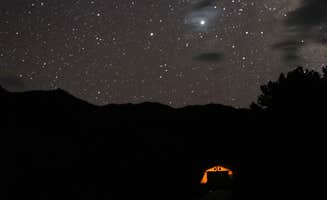
Stargazing: The remote location means minimal light pollution for excellent night sky viewing. At Lunar Crater Camp, you'll find unobstructed views of celestial bodies. The area is particularly good for meteor shower viewing during summer months.
Hiking: Numerous trails wind through the region's diverse landscapes. One camper recommends the Hidden Forest Trail, stating "The trail to Hidden forest starts off at Dead Mans Canyon trail head in the Nevada Wildlife Refuge. The road to the trail head is rocky and warrants a high profile vehicle and spare tires."
What campers like
Isolation: The remote tent campsites near Humboldt-Toiyabe National Forest offer genuine seclusion. Michael M. at Barley Creek reports, "Remote, lightly used, primitive sites. Signage is limited, have a good map. Only saw one other person, a hunter at 7AM heading to the trails."
Geological features: The lunar-like landscapes provide unique camping backdrops. Cas M. notes about camping near crater formations, "I took the other entrance (one that has signs leading to the crater) and there was 2 sites directly on the edge of the crater."
Historical elements: Some camping areas contain structures from earlier eras. One camper describes an old cabin: "The cabin itself is really an amazing piece of history, built in the late 1800's by unknown. Plan to stay warm in the cabin if it's still cold at night, the wood stove works nicely."
What you should know
Vehicle requirements: Most tent camping areas require appropriate transportation. For Tonkin Spring and similar remote campsites, high-clearance vehicles are essential for navigating unmaintained dirt roads. Some access roads become impassable after rain or snow.
Water availability: No reliable water sources exist at most camping areas. Michael M. notes, "There are no pit toilets" at Barley Creek, and similar basic amenities are lacking throughout the region. Plan to carry all necessary water—at least one gallon per person per day.
Weather preparedness: Extreme conditions affect tent camping comfort and safety. Cas M. advises, "If you have a set up that can handle very very intense wind, i highly recommend this spot," regarding Lunar Crater Camp. Weather changes quickly, requiring appropriate gear for both hot days and cold nights.
Tips for camping with families
Cabin alternatives: For families with young children, the historic cabin options provide more protection from elements. Laura O. shares about Desert National Wildlife Range, "If you prefer the stars like us, dress warm or warm some rocks in the fire and wrap in a blanket in the tent."
Wildlife safety: Teach children appropriate wilderness behavior. One camper advises keeping food secured and maintaining distance from wildlife. Early morning wildlife viewing provides educational opportunities while avoiding midday heat.
Navigation essentials: Cell service is extremely limited throughout the region. Bring physical maps, GPS units with preloaded coordinates, and ensure children know basic emergency protocols. Several campsites have minimal or confusing signage.
Tips from RVers
Size limitations: Large RVs cannot access most dispersed camping areas near Humboldt-Toiyabe. Michael M. notes that at Barley Creek, you "Need high clearance vehicle, but not true 4WD, branches will likely scratch the car a bit."
Alternative parking: Some RVers park at established trailheads and tent camp at more remote sites. This strategy works well for campers visiting Hidden Forest, where the trailhead provides more accessible parking than the primitive camp areas.
Self-contained requirements: No hookups or dump stations exist at primitive tent campsites in this region. Bring all necessary supplies and prepare to pack out all waste. Look for "rock pile fire pits" to identify established camping areas where fires might be permitted.





 Guide
Guide


