Dispersed camping near Humboldt-Toiyabe National Forest Headquarters offers multiple free sites across Bureau of Land Management (BLM) land in central Nevada. The area sits at approximately 5,000 feet elevation with a high desert climate characterized by hot summer days, cool nights, and limited shade coverage. Winter temperatures frequently drop below freezing, while summer can bring temperatures over 90°F with minimal humidity.
What to do
Hiking and exploring: Several dirt paths near Outcrop Rock provide opportunities for walking among distinctive rock formations. One camper noted, "I spent a couple of days here in August and did some nude hiking around the rock areas. I had the whole place to myself for most of the time."
Stargazing opportunities: The remote location away from major population centers creates excellent night sky visibility conditions. Light pollution remains minimal at most dispersed sites, especially during new moon periods. Clear desert air enhances constellation viewing.
Wildlife observation: Dawn and dusk provide opportunities to spot desert wildlife including jackrabbits, coyotes, and various bird species. Bring binoculars and maintain appropriate distance from any animals encountered.
What campers like
Natural isolation: Many sites offer considerable distance from other campers. A visitor to Horneys Rest Stop BLM mentioned that "every space was open" during their visit, though they ultimately decided to continue driving.
Cell connectivity: Despite the remote location, several dispersed camping areas maintain usable cell service. A camper at Outcrop Rock reported: "I had good Verizon cell service. You don't really hear the noise from the highway."
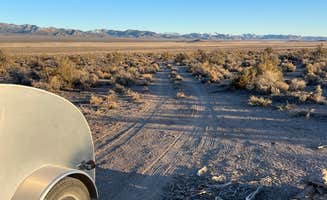
Accessibility from highway: Most dispersed sites near Humboldt-Toiyabe National Forest Headquarters require minimal off-road driving. Outcrop Rock sits "about a mile off the highway" with "good soft dirt" according to a recent visitor.
What you should know
Fire restrictions: Fire regulations vary by location and season. Check current fire restrictions before arrival as summer and fall typically bring heightened fire danger. Most sites prohibit open flames during high fire danger periods.
Limited facilities: No dispersed camping areas provide water, toilets, or trash service. Campers must pack out all waste and bring sufficient water supplies. Plan for complete self-sufficiency.
Variable conditions: Site maintenance depends entirely on previous visitors. A camper at Upper Lake Road BLM Campsite reported finding uneven terrain requiring careful tent placement to avoid rocks and vegetation.
Tips for camping with families
Preparation requirements: Pack additional water beyond standard estimates when camping with children. The arid environment increases dehydration risk, particularly during summer months when temperatures regularly exceed 90°F.
Safety considerations: Establish clear boundaries for children to prevent wandering. Desert terrain can disorient even experienced hikers, and cellular coverage may not extend to all areas around camp.
Wildlife awareness: Teach children about desert wildlife safety, particularly regarding snakes and scorpions. Shake out shoes before wearing and check sleeping bags before use, especially during warmer months.
Tips from RVers
Road conditions: Access roads to many dispersed sites feature washboard surfaces and occasional ruts. High-clearance vehicles perform better on these roads, particularly after rain events.
Leveling challenges: Bring leveling blocks as most dispersed sites offer unimproved parking surfaces with natural slopes. Jeffrey F. at Outcrop Rock noted the area provides "two or three areas where you can camp" with varying degrees of level ground.
Exposure considerations: Limited natural shade exists at most dispersed camping locations near the national forest headquarters. Consider portable shade structures or position RVs to maximize natural shade during afternoon hours when temperatures peak.




 Ranger
