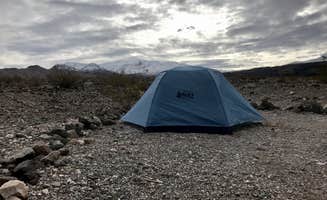
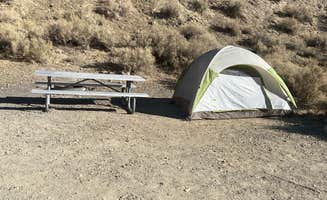
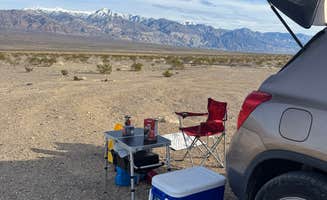
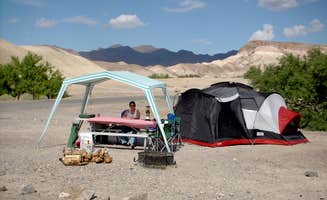
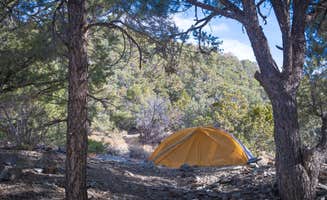
Death Valley camping experiences vary widely across 3.4 million acres of diverse terrain, from gravel parking lot-style campgrounds to secluded backcountry sites at higher elevations. The national park's campgrounds span elevation ranges from 196 feet below sea level to over 4,000 feet, creating significant temperature variations between locations. Camping availability changes dramatically by season with most established campgrounds operating only from late fall through spring.
What to do
Explore charcoal kilns: Visit the Wildrose Kilns accessible via dirt roads from Wildrose Campground. "Close to the kilns. Was a good spot to stage to explore this part of the park," notes one camper. The historic beehive-shaped structures provide cultural and historical context to the region.
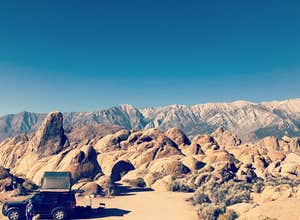
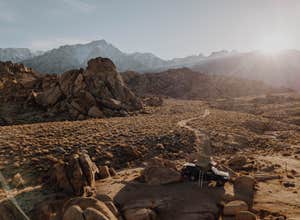
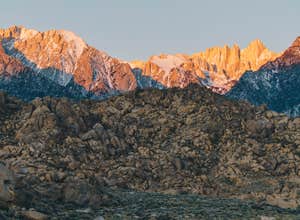
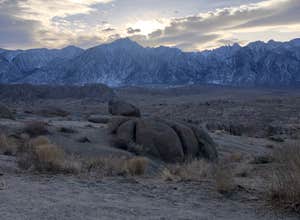
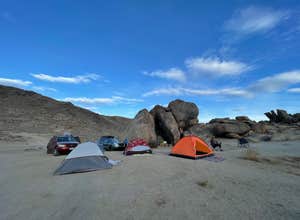
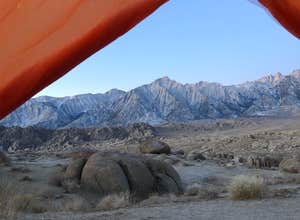
Day trip to Lone Pine: Take a scenic drive west to Alabama Hills Recreation Area for dramatically different landscapes. "Easily one of my favorite places! The views here are like nothing else, perfect place without reception, fresh mountain air away from everything and yet close to a cute little town for chili cheese nachos or tackle," shares a visitor. The area sits beneath Mt. Whitney with unique rock formations and photography opportunities.
Visit Darwin Falls: This year-round waterfall offers a surprising contrast to Death Valley's arid landscape. "The area is BLM and land in trust of Friends of the Inyo... It is easy access to Surprise Canyon, Middle Field, and some of the remaining mines in the area," explains a camper at Panamint Springs. The one-mile hike to the falls requires crossing several small streams.
What campers like
Higher elevation camping: Texas Springs Campground sits above the valley floor providing better views and more moderate temperatures. "This campground has some gorgeous views as you are elevated off of the valley floor. Nice bathrooms and the sites are pretty big," reports one visitor. The upper loop accommodates both tents and RVs.
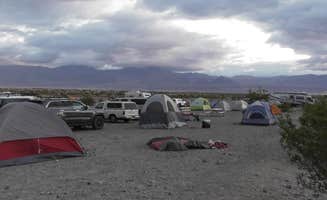
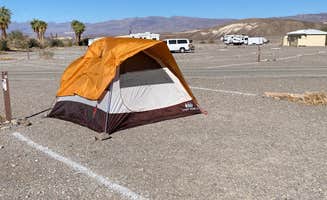
Availability during peak season: Sunset Campground functions as the overflow option when other sites fill up. "We stayed here on a Friday in late March only because Furnace Creek and Texas Springs were both full by 5 PM. It is just a big gravel lot with sites defined by paint stripes on the ground," mentions a camper who still found it "a beautiful spot to watch the sunset and the mountains all around."
Seasonal pool access: At Stovepipe Wells Village RV Park, guests can escape the heat. "We stayed recently when it was 116 during the day, but since the sites had electric, we gave it a shot... The pool across the street was actually cold at night, even though the air temp was 90, so that was great," notes one summer visitor.
What you should know
Prepare for wildlife encounters: Several campgrounds report desert wildlife sightings. "Sleeping off the ground or in a tent is a must as we catch lots of sidewinders and scorpions every year in the campsite," warns a visitor to Panamint Springs. Other campers mention coyotes and kangaroo mice.
Limited seasonal water access: At Emigrant Campground, water availability varies. "Water is not potable year round, will be deemed not potable and/or shut off mid-May per convo with NPS employee. Fill at Stovepipe, Panamint, or elsewhere in summer," advises one regular visitor.
Wind exposure: High winds present challenges throughout the park. "Take care of your stuff. I've saved multiple tents here that weren't properly secured while their owners were out for the day," reports an Emigrant Campground visitor. Some campers report experiencing sudden dust storms that forced them to relocate to their vehicles.
Tips for camping with families
Book ahead for cooler sites: Higher elevation campgrounds provide more moderate temperatures for family camping. "The campsite is at 2000 feet so cooler than bottom and way less crowded," notes a visitor to Emigrant Campground who found it ideal for biking on side roads with children.
Pool day pass options: Furnace Creek Campground offers recreational facilities nearby. "Here's the best deal, for 10$ per person you get a pool and shower pass for all day! The pool is awesome, spring fed warm water. The showers have massive pressure with hot water," shares one camper.
Wildlife viewing opportunities: Morning and evening wildlife sightings can engage children. "One memorable thing about this campground was hearing burros during the night. It wasn't loud, but we could hear them off in the distance. Something I have never experienced while camping!" reports a visitor to Wildrose Campground.
Tips from RVers
Reserve hookups in advance: RV spots with utilities are limited and concentrated at specific campgrounds. "The Stovepipe Wells Village RV park is a different (and privately owned) RV campground nearly adjacent to the NPS-run Stovepipe Wells Campground. Open year-round, this is one of the priciest places to stay in Death Valley charging $40 a night for a parking lot drive in site with hookups."
Electrical reliability varies: Some campers report issues with electrical hookups. "The first two sites we tried had bad electrical setups. The breakers wouldn't lock in place, and kept flipping back to the tripped/open state," notes an RVer at Stovepipe Wells Village RV Park.
Fuel up outside the park: Gas prices within Death Valley exceed those in surrounding areas. "Gas here was almost 2$ cheaper than in Furnace Creek (about 25 miles away)," reports a visitor comparing Stovepipe Wells to other park locations. Fill up in gateway communities like Beatty where prices can be "a whole dollar cheaper per gal."















 Ranger


